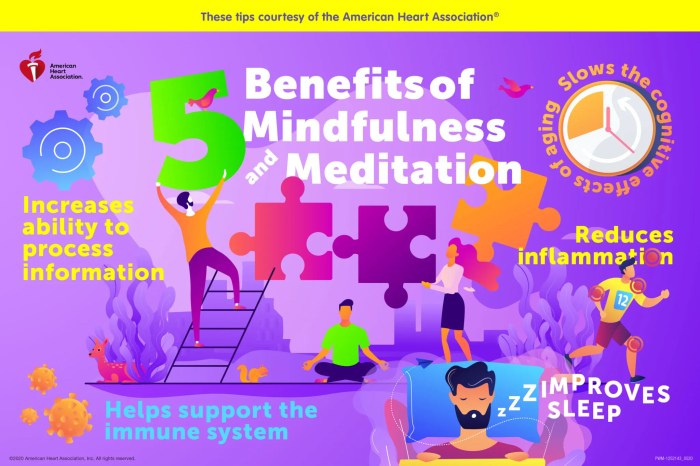
Benefits of mindfulness and meditation in wellness programs bring a holistic approach to health and well-being, incorporating mental clarity, resilience, and pain management. Dive into how these practices can transform your wellness journey.
Benefits of mindfulness and meditation in wellness programs
Mindfulness and meditation play a crucial role in enhancing overall wellness by improving mental clarity, promoting mental resilience, and aiding in pain management.
Improved Mental Clarity
- Mindfulness and meditation techniques help individuals focus on the present moment, reducing distractions and enhancing cognitive function.
- Regular practice of mindfulness can lead to increased attention span, better decision-making, and improved memory retention.
- By calming the mind and reducing stress, mindfulness and meditation contribute to mental clarity and sharpness.
Promotion of Mental Resilience
- Engaging in mindfulness practices builds emotional strength and resilience, allowing individuals to cope better with challenges and setbacks.
- Through meditation, individuals learn to observe their thoughts and emotions without judgment, leading to greater emotional stability and adaptability.
- Enhanced mental resilience enables individuals to bounce back from stress, anxiety, and adversity more effectively.
Role in Pain Management
- Studies have shown that mindfulness and meditation can reduce the perception of pain by altering the brain’s response to discomfort.
- Practicing mindfulness techniques can help individuals develop a greater tolerance for physical pain and manage chronic pain conditions more effectively.
- By focusing on the present moment and cultivating a non-reactive mindset, mindfulness and meditation offer relief from pain and discomfort.
Wellness Programs
Wellness programs play a crucial role in promoting overall health by offering a holistic approach to well-being. These programs often incorporate mindfulness and meditation practices to help individuals achieve balance in their physical, mental, and emotional health.
Examples of Wellness Programs with Mindfulness and Meditation
- A corporate wellness program that includes daily meditation sessions to reduce stress and improve focus among employees.
- A community wellness initiative that offers mindfulness workshops to help individuals cope with anxiety and improve their mental well-being.
- A fitness center program that combines yoga classes with mindfulness practices to enhance flexibility, strength, and overall wellness.
Importance of Wellness Programs in Promoting Overall Health
Wellness programs are essential in promoting overall health as they encourage individuals to adopt healthy habits, manage stress effectively, and prioritize self-care. By incorporating mindfulness and meditation, these programs can help reduce the risk of chronic diseases, improve mental clarity, and enhance emotional well-being.
How Wellness Programs Help Individuals Achieve Fitness Goals
- By incorporating mindfulness practices, wellness programs can help individuals stay focused and motivated to achieve their fitness goals.
- Regular meditation sessions can aid in reducing muscle tension and improving recovery after intense workouts, supporting overall fitness progress.
- Wellness programs that emphasize holistic well-being can inspire individuals to maintain a healthy lifestyle, leading to better fitness outcomes in the long run.
Herbal Remedies
In wellness programs, herbal remedies play a significant role in promoting overall health and well-being. These natural remedies have been used for centuries to address various health issues and support the body’s healing processes.
Common Herbal Remedies
- 1. Turmeric: Known for its anti-inflammatory properties, turmeric is commonly used to reduce inflammation and support the immune system.
- 2. Ginger: Ginger is often used to aid digestion, reduce nausea, and alleviate muscle pain.
- 3. Echinacea: This herb is popular for its immune-boosting properties and is often used to prevent colds and flu.
Herbal Remedies in Disease Prevention
Herbal remedies contribute to disease prevention by supporting the body’s natural defense mechanisms. These remedies are rich in antioxidants, vitamins, and minerals that help strengthen the immune system, making the body more resilient to infections and diseases.
Role of Herbal Remedies in Detox Processes
- 1. Dandelion: Dandelion is commonly used in detox programs due to its diuretic properties, which help flush out toxins from the body.
- 2. Milk Thistle: Known for its liver-protective properties, milk thistle is often used to support the liver in detoxifying the body.
- 3. Burdock Root: This herb is used to purify the blood and support the body’s detox processes by eliminating waste and toxins.
Skin Health
Maintaining healthy skin is crucial for overall well-being. The impact of mindfulness and meditation on skin health is significant, as these practices can help reduce stress levels, which in turn can minimize skin issues such as acne, eczema, and psoriasis.
Improving Skin Health Through Holistic Treatments
- Hydrate: Drink plenty of water to keep your skin hydrated from the inside out.
- Eat a balanced diet: Incorporate fruits, vegetables, and foods rich in antioxidants to promote healthy skin.
- Practice good skincare: Develop a skincare routine that includes cleansing, moisturizing, and protecting your skin from the sun.
- Get enough sleep: Adequate rest is essential for skin regeneration and repair.
- Reduce stress: Engage in mindfulness and meditation practices to lower stress levels and promote healthier skin.
The Connection Between Mindfulness and Healthy Skin
Mindfulness and meditation can help reduce cortisol levels, the stress hormone that can trigger skin issues. By managing stress through these practices, you can improve your skin’s overall health and appearance.
Bone Density
Mindfulness and meditation can play a crucial role in supporting bone density, which is essential for overall wellness. By incorporating these practices into your daily routine, you can improve your bone health and reduce the risk of osteoporosis and fractures.
Relationship Between Bone Density and Overall Wellness
Maintaining healthy bone density is vital for overall wellness as it helps support proper posture, mobility, and overall physical strength. Low bone density can lead to increased risk of fractures, especially in older adults, impacting their quality of life and independence.
- Regular mindfulness practices can help reduce stress levels, which in turn can prevent the release of cortisol, a hormone that can weaken bones over time.
- Meditation can also improve sleep quality, allowing the body to repair and strengthen bones during rest.
- Engaging in weight-bearing exercises while practicing mindfulness can further enhance bone density and overall bone health.
Muscle Mass
Mindfulness and meditation can play a significant role in maintaining and improving muscle mass. These practices not only benefit mental health but also contribute to physical well-being, including muscle health.
Benefits of Mindfulness and Meditation for Muscle Mass
- Reduced stress levels through mindfulness practices can help prevent the breakdown of muscle mass caused by elevated cortisol levels.
- Improved focus and concentration from meditation can enhance workout performance, leading to better muscle development.
- Enhanced mind-muscle connection through mindfulness can optimize muscle activation during exercise, promoting muscle growth.
How Mindfulness Practices Aid in Maintaining Muscle Health
- Regular mindfulness practice can increase body awareness, allowing individuals to better sense muscle tension and make necessary adjustments to prevent injury.
- Mindfulness techniques such as body scans and progressive muscle relaxation can help release physical tension, promoting muscle recovery and growth.
Tips on Using Meditation to Enhance Muscle Recovery
- Include meditation sessions in your post-workout routine to promote relaxation and reduce muscle soreness.
- Practice deep breathing exercises during meditation to improve oxygen flow to muscles, aiding in recovery and repair.
- Visualize muscle recovery and growth during meditation to enhance the mind-body connection and optimize the healing process.
Dental Care
Mindfulness practices not only benefit overall wellness but also have a positive impact on dental care. By incorporating mindfulness techniques, individuals can improve their oral health and enhance their dental hygiene routines.
Relationship between Mindfulness and Dental Care
Mindfulness involves being fully present in the moment and paying attention to one’s thoughts, feelings, and sensations without judgment. This awareness can extend to dental care by helping individuals become more conscious of their oral hygiene habits.
When practicing mindfulness, individuals may become more mindful of their brushing and flossing techniques, ensuring that they are thorough and effective. This increased awareness can lead to better oral health outcomes, such as reduced plaque buildup and a lower risk of cavities and gum disease.
Improving Oral Health with Mindfulness
- Practicing mindfulness can help reduce stress, which is a common factor in oral health issues such as teeth grinding and jaw clenching.
- Being mindful of eating habits can prevent mindless snacking and overconsumption of sugary foods, which can contribute to tooth decay.
- Mindfulness meditation can also help individuals become more aware of any tension in their jaw and face muscles, allowing them to relax these muscles and reduce the risk of TMJ disorders.
Incorporating Mindfulness for Better Dental Hygiene
Integrating mindfulness practices into daily dental hygiene routines can be simple yet effective. Some ways to incorporate mindfulness for better dental care include:
- Being fully present while brushing and flossing, focusing on the sensations and movements involved in the process.
- Taking deep breaths and relaxing the jaw muscles before and after dental care activities to reduce tension.
- Using mindfulness techniques such as body scans to check for any areas of tension in the jaw or face that may be affecting oral health.
Eye Health
Mindfulness and meditation can have a positive impact on eye health by reducing eye strain, improving focus, and promoting overall relaxation. These practices can help maintain good eyesight and prevent conditions such as digital eye strain and dry eyes.
Practices for Maintaining Good Eyesight:
- Avoid prolonged screen time and take regular breaks to rest your eyes.
- Practice eye exercises to strengthen eye muscles and improve focus.
- Eat a diet rich in nutrients like vitamin A, C, and E to support eye health.
- Ensure proper lighting when reading or working on screens to reduce strain.
Tips for Using Mindfulness Techniques to Support Eye Health:
- Practice deep breathing exercises to relax eye muscles and improve circulation.
- Use the 20-20-20 rule – every 20 minutes, look at something 20 feet away for 20 seconds.
- Engage in mindful meditation to reduce stress and tension, which can impact eye health.
- Avoid rubbing your eyes vigorously and practice gentle eye massages for relaxation.
Joint Flexibility
Mindfulness and meditation practices can play a significant role in improving joint flexibility and reducing joint pain. By incorporating these practices into your wellness routine, you can enhance your overall joint health and mobility.
Role of Mindfulness in Improving Joint Flexibility
- Mindfulness helps individuals become more aware of their bodies and any tension or discomfort they may be experiencing in their joints.
- Through mindfulness practices, individuals can learn to release tension and stress that may be contributing to joint stiffness, allowing for increased flexibility.
- By cultivating a mind-body connection, individuals can better understand their physical limitations and work towards improving joint range of motion.
Examples of Mindful Exercises for Enhancing Joint Flexibility
- Yoga: Practicing yoga poses can help improve joint flexibility, strength, and mobility through mindful movement and breath awareness.
- Tai Chi: This gentle martial art focuses on slow, flowing movements that can help increase flexibility and balance while promoting relaxation and mindfulness.
- Body Scan Meditation: By systematically bringing attention to different parts of the body, individuals can release tension and promote relaxation in the joints.
Digestive Health
Mindfulness and meditation can play a significant role in improving digestive health. The mind-body connection is a powerful tool in managing conditions such as irritable bowel syndrome, indigestion, and other gastrointestinal issues.
Benefits of Mindfulness for Digestive Health
- Reduced Stress: Mindfulness practices help lower stress levels, which can alleviate symptoms of digestive disorders triggered or exacerbated by stress.
- Improved Gut Function: By calming the mind and body, mindfulness can regulate the digestive system, promoting better absorption of nutrients and smoother digestion.
- Enhanced Awareness: Mindfulness encourages awareness of eating habits, leading to mindful eating practices that can prevent overeating and improve digestion.
- Reduced Inflammation: Chronic stress can lead to inflammation in the gut, and mindfulness techniques can help reduce inflammation markers, promoting better gut health.
Detox Process
Mindfulness practices play a crucial role in supporting the body’s detox processes by promoting awareness of our physical and emotional state. This heightened awareness can lead to healthier lifestyle choices and behaviors that support the body’s natural detoxification systems.
Role of Meditation in Promoting Detoxification
Meditation can aid in promoting detoxification by reducing stress levels, which can have a positive impact on the body’s ability to eliminate toxins. When we are stressed, our body releases cortisol, a hormone that can impair the detox process. By practicing meditation regularly, individuals can lower their stress levels and support the body’s detox mechanisms.
Examples of Mindful Eating for Detoxing the Body, Benefits of mindfulness and meditation in wellness programs
- Avoiding processed foods and opting for whole, nutrient-dense options can support the body’s detox processes.
- Practicing mindful eating by paying attention to hunger cues, chewing food thoroughly, and savoring each bite can improve digestion and nutrient absorption, aiding in detoxification.
- Incorporating plenty of fruits, vegetables, and fiber-rich foods into the diet can help cleanse the body and support optimal detox function.
Blood Pressure
Mindfulness and meditation can play a crucial role in managing blood pressure levels. By reducing stress and promoting relaxation, these practices can have a positive impact on overall cardiovascular health.
Managing Stress for Healthy Blood Pressure
Chronic stress is known to contribute to high blood pressure, putting individuals at risk for heart disease and other health issues. Mindfulness techniques, such as deep breathing exercises and meditation, can help lower stress levels and promote a sense of calmness.
- Practice deep breathing exercises regularly to reduce stress and promote relaxation.
- Engage in mindfulness meditation to focus on the present moment and alleviate anxiety.
- Incorporate yoga or tai chi into your routine to improve flexibility and reduce stress levels.
Heart Rate
Mindfulness and meditation practices have been shown to have a positive impact on heart rate. By incorporating these practices into wellness programs, individuals can experience lower heart rates and reduced risk of cardiovascular issues.
Regulating Heart Rate
- Deep breathing exercises: Practicing deep, slow breathing can help regulate heart rate and promote relaxation.
- Guided meditation: Engaging in guided meditation sessions can assist in calming the mind and body, leading to a more stable heart rate.
- Yoga: Incorporating yoga poses and movements into a wellness routine can help improve cardiovascular health and regulate heart rate.
Connection to Healthy Heart Rate
- Mindfulness practices focus on being present in the moment and reducing stress, which can directly impact heart rate variability and promote a healthier heart rate.
- Reducing anxiety and tension through meditation can lead to a more consistent and optimal heart rate, benefiting overall heart health.
- Studies have shown that regular meditation and mindfulness practices can help lower resting heart rate and improve heart rate recovery after physical exertion.
Health Screenings
Regular health screenings are a crucial component of wellness programs as they help detect potential health issues early on, allowing for timely interventions and preventive measures.
Importance of Health Screenings
- Health screenings can identify risk factors for diseases such as diabetes, heart disease, and cancer.
- Early detection through screenings can lead to better treatment outcomes and improved prognosis.
- Screenings help individuals take control of their health and make informed decisions about their well-being.
Mindfulness Practices and Health Screenings
- Practicing mindfulness can increase self-awareness and encourage individuals to prioritize their health.
- Mindfulness techniques, such as deep breathing and body scans, can reduce anxiety and fear associated with medical tests.
- By promoting mindfulness, wellness programs can motivate individuals to schedule and attend regular health screenings.
Incorporating Health Screenings into Holistic Wellness Approaches
- Integrating health screenings into holistic wellness programs ensures a comprehensive approach to health and well-being.
- Wellness coaches can educate participants about the importance of screenings and provide resources for scheduling appointments.
- By addressing physical, mental, and emotional health, holistic wellness programs create a supportive environment for individuals to prioritize preventive care.
Vaccination Programs
Mindfulness plays a crucial role in promoting vaccination programs by helping individuals make informed decisions about their health. By incorporating mindfulness practices, individuals can better understand the importance of vaccinations and their impact on personal and community well-being.
Role of Mindfulness in Promoting Vaccination Programs
- Practicing mindfulness can help individuals stay present and focused on the information provided about vaccines, leading to better comprehension and decision-making.
- Mindfulness techniques, such as deep breathing and meditation, can reduce anxiety and fear associated with vaccinations, making the process more manageable for individuals.
- By being mindful of their own health and the well-being of others, individuals are more likely to prioritize getting vaccinated to protect themselves and their community.
Tips for Supporting Vaccination Programs through Mindfulness Education
- Encourage individuals to practice mindfulness techniques before and during vaccination appointments to help alleviate stress and anxiety.
- Provide educational resources on the benefits of vaccinations and how mindfulness can enhance the decision-making process.
- Organize mindfulness workshops or seminars specifically focused on vaccination awareness to empower individuals to take proactive steps towards their health.
Healthy Habits
Mindfulness and meditation play a crucial role in supporting the development of healthy habits by increasing self-awareness, reducing stress, and enhancing overall well-being. These practices help individuals make conscious choices that align with their health goals and values.
Impact of Mindfulness on Sustaining Lifestyle Changes
- By cultivating mindfulness, individuals become more in tune with their thoughts, emotions, and behaviors, leading to a greater understanding of their habits.
- This heightened awareness enables individuals to recognize unhealthy patterns and make intentional changes towards healthier choices.
- Mindfulness also helps in managing cravings, impulses, and stress triggers, making it easier to sustain lifestyle changes in the long run.
Examples of Incorporating Mindfulness into Daily Routines for Developing Healthy Habits
- Start the day with a mindfulness practice such as meditation or deep breathing to set a positive tone for the day.
- Practice mindful eating by savoring each bite, paying attention to hunger cues, and choosing nourishing foods.
- Incorporate mindfulness into physical activities like yoga or walking, focusing on the present moment and body sensations.
- Use mindfulness techniques to cope with stress, anxiety, or negative emotions, preventing impulsive or unhealthy behaviors.
Balanced Hormones
Mindfulness practices can play a significant role in promoting balanced hormones by reducing stress levels and promoting overall well-being. When we are stressed, our body produces cortisol, also known as the stress hormone, which can disrupt the balance of other hormones in the body.
By incorporating mindfulness techniques such as meditation into our daily routine, we can help regulate our hormone levels and promote a sense of calm and balance.
Tips for Using Meditation to Support Hormone Regulation
- Practice deep breathing exercises during meditation to help reduce stress and lower cortisol levels in the body.
- Focus on positive affirmations and intentions during meditation to promote feelings of well-being and reduce anxiety.
- Set aside dedicated time each day for meditation to establish a consistent practice and support hormone regulation over time.
- Consider guided meditation sessions or mindfulness apps to help you stay focused and engaged during your practice.
- Aim to incorporate mindfulness techniques into other areas of your life, such as mindful eating and mindful movement, to promote overall hormone balance.
Health Coaching
Health coaching plays a crucial role in wellness programs by providing individuals with personalized guidance and support to achieve their health goals. It involves setting specific objectives, creating action plans, and monitoring progress to help individuals make sustainable lifestyle changes.
Role of Health Coaching in Wellness Programs
- Health coaching helps individuals identify their health priorities and develop strategies to address them.
- Coaches provide education and support to empower individuals to take control of their health and well-being.
- They work collaboratively with clients to set achievable goals and track progress towards improved health outcomes.
Enhancing Health Coaching with Mindfulness Practices
- Integrating mindfulness practices into health coaching can enhance self-awareness and emotional regulation.
- Mindfulness techniques, such as deep breathing and meditation, can help clients manage stress and improve overall well-being.
- By incorporating mindfulness, health coaches can promote a holistic approach to health that addresses both physical and mental aspects.
Incorporating Mindfulness into Health Coaching Sessions
- Begin each coaching session with a brief mindfulness exercise to help clients focus and set intentions for the session.
- Encourage clients to practice mindfulness techniques outside of sessions to enhance their self-care routines.
- Use guided meditations or mindfulness apps to support clients in developing a regular mindfulness practice.
Fitness Goals
Mindfulness and meditation can play a significant role in helping individuals achieve their fitness goals by promoting a holistic approach to health and well-being. By incorporating these practices into their fitness routine, individuals can enhance their mind-body connection, improve focus and concentration, reduce stress and anxiety, and increase self-awareness.
Benefits of a Mindful Approach to Fitness
- Mindful movement: Practicing mindfulness during exercise can help individuals stay present and fully engage in their workout, leading to better performance and results.
- Increased motivation: Mindfulness can help individuals stay motivated and committed to their fitness goals by cultivating a sense of purpose and intention behind their actions.
- Enhanced body awareness: By tuning into their body’s sensations and signals, individuals can better understand their physical limits, prevent injuries, and optimize their training.
- Improved recovery: Mindfulness techniques can aid in relaxation and stress reduction, promoting faster recovery after intense workouts and preventing burnout.
Diet Planning
Mindfulness practices play a crucial role in supporting effective diet planning by helping individuals become more aware of their eating habits and making healthier choices. Through mindfulness, individuals can cultivate a deeper connection with their bodies and make more intentional decisions regarding their food intake.
Promoting Mindful Eating Habits
- Practicing mindfulness can help individuals become more attuned to their hunger and fullness cues, leading to a better understanding of when and how much to eat.
- By being present in the moment while eating, individuals can savor and enjoy their meals, which can prevent overeating and promote satisfaction with smaller portions.
- Being mindful of the texture, taste, and smell of food can enhance the eating experience and lead to a greater appreciation for the nourishment it provides.
Using Meditation for Mindful Meal Preparation
- Engaging in meditation practices before meal preparation can help individuals set a positive and calm tone for the cooking process, leading to healthier food choices.
- Meditation can reduce stress and anxiety, which are common triggers for emotional eating, allowing individuals to make more mindful decisions when planning and cooking meals.
- By incorporating mindfulness techniques into meal preparation, individuals can focus on the task at hand, enhance the flavors of the food, and create a more enjoyable cooking experience.
Health Supplements
Mindfulness practices can play a crucial role in enhancing the effects of health supplements. By incorporating mindfulness into your supplement routine, you can optimize the benefits and improve overall wellness.
Importance of Mindfulness in Optimizing Supplement Benefits
- Increases Awareness: Mindfulness helps you become more in tune with your body, allowing you to notice subtle changes and effects of supplements.
- Enhances Absorption: Being present and focused while taking supplements can improve absorption rates and maximize their efficacy.
- Promotes Consistency: Mindfulness practices can help you stay consistent with your supplement routine, ensuring you reap the full benefits over time.
Tips for Incorporating Mindfulness into Supplement Routines
- Set Intentions: Before taking your supplements, take a moment to set an intention for how you want them to support your health and well-being.
- Practice Mindful Eating: If your supplements are taken with meals, practice mindful eating to enhance the overall experience and absorption of nutrients.
- Breath Awareness: Focus on your breath while taking supplements to stay present and mindful of the process.
Breathing Techniques
Breathing techniques are an essential component of mindfulness practices that can have numerous benefits for overall wellness. By focusing on the breath, individuals can enhance relaxation, reduce stress, and improve mental clarity.
Benefits of Mindfulness-Based Breathing Techniques
- Improved Stress Management: Mindful breathing helps regulate the body’s stress response, promoting a sense of calm and reducing anxiety levels.
- Enhanced Focus and Concentration: By paying attention to the breath, individuals can improve their concentration and cognitive function.
- Emotional Regulation: Breathing exercises can assist in managing emotions and promoting emotional stability.
- Better Sleep Quality: Practicing mindfulness-based breathing techniques before bedtime can help improve sleep quality and promote relaxation.
Examples of Mindfulness Breathing Techniques
- 4-7-8 Technique: Inhale for a count of 4, hold the breath for a count of 7, and exhale for a count of 8. Repeat this cycle several times for relaxation.
- Belly Breathing: Place one hand on your chest and the other on your abdomen. Inhale deeply through your nose, allowing your abdomen to rise. Exhale slowly through your mouth, feeling your abdomen fall. Repeat several times.
- Nostril Breathing: Close one nostril with your finger and inhale deeply through the other nostril. Switch nostrils and exhale through the opposite side. This technique can help balance energy levels.
Disease Prevention: Benefits Of Mindfulness And Meditation In Wellness Programs
Mindfulness and meditation practices are powerful tools that can significantly contribute to disease prevention. By reducing stress levels, improving immune function, and promoting overall well-being, these practices play a crucial role in maintaining good health and preventing various illnesses.
The Role of Mindfulness in Boosting the Immune System
- Mindfulness has been shown to reduce inflammation in the body, which is a key factor in many chronic diseases.
- Regular meditation practice can enhance the activity of natural killer cells, white blood cells that play a vital role in immune response.
- Stress reduction through mindfulness can lead to a stronger immune system, making the body more resilient to infections and diseases.
Incorporating Mindfulness for Overall Disease Prevention
- Practicing mindfulness and meditation regularly can help individuals better cope with stress, which is a major contributor to many health problems.
- By promoting a sense of calm and relaxation, mindfulness can lower blood pressure, reduce the risk of heart disease, and improve overall cardiovascular health.
- Increased self-awareness through mindfulness can lead to healthier lifestyle choices, such as proper nutrition, regular exercise, and adequate sleep, all of which are essential for disease prevention.
Pain Management
Mindfulness practices and meditation can play a crucial role in managing pain effectively. By incorporating these techniques into wellness programs, individuals can experience relief and improved quality of life.
Impact of Mindfulness on Pain Perception
- Mindfulness practices help individuals focus on the present moment, reducing anxiety and stress that can exacerbate pain perception.
- Meditation techniques promote relaxation and calmness, which can alleviate physical discomfort associated with chronic pain conditions.
- By cultivating a non-judgmental awareness of sensations, individuals can develop a healthier relationship with pain, leading to decreased suffering.
- Regular mindfulness practice can enhance pain tolerance and resilience, empowering individuals to cope with discomfort more effectively.
Tips for Using Mindfulness in Chronic Pain Management
- Start with short mindfulness sessions and gradually increase the duration as you become more comfortable with the practice.
- Focus on your breath or a specific sensation in your body to anchor your attention and reduce the intensity of pain signals.
- Practice acceptance and compassion towards your pain, acknowledging it without judgment or resistance.
- Explore guided meditation or mindfulness apps to support your pain management journey and provide structure to your practice.
- Combine mindfulness with other pain management strategies such as physical therapy, medication, or relaxation techniques for comprehensive support.
Holistic Treatments
Mindfulness and meditation play a crucial role in holistic treatments by focusing on the interconnectedness of the mind, body, and spirit. These practices aim to address the root causes of health issues rather than just treating symptoms, promoting overall well-being and balance.
Incorporating Mindfulness into Holistic Treatment Plans
- During acupuncture sessions, incorporating mindfulness techniques such as deep breathing and visualization can enhance relaxation and promote healing.
- Yoga therapy often integrates mindfulness practices to help individuals connect with their bodies, reduce stress, and improve flexibility and strength.
- Mindful eating is a common component of holistic nutrition plans, encouraging individuals to be present and intentional with their food choices for better digestion and nutrient absorption.
- Massage therapy combined with mindfulness meditation can help release tension, reduce pain, and promote a sense of calm and well-being.
Mental Resilience
Mindfulness and meditation practices play a crucial role in building mental resilience. By cultivating awareness and focus, individuals can develop the ability to bounce back from challenges and setbacks with greater ease.
Benefits of a Resilient Mindset
- Improved Stress Management: Mindfulness helps individuals stay calm and composed in stressful situations, enabling them to think clearly and make better decisions.
- Enhanced Emotional Regulation: Meditation practices promote emotional intelligence, allowing individuals to respond to emotions in a balanced and constructive manner.
- Increased Adaptability: Developing mental resilience through mindfulness enables individuals to adapt to change more effectively and embrace new opportunities.
- Boosted Confidence: A resilient mindset builds self-confidence and self-belief, empowering individuals to face challenges with courage and determination.
Final Summary
Embrace the power of mindfulness and meditation in wellness programs to elevate your health to new heights, paving the way for a balanced and rejuvenated lifestyle. Start your journey towards holistic well-being today.
Clarifying Questions
How can mindfulness and meditation improve mental clarity?
Mindfulness and meditation help calm the mind, reduce distractions, and enhance focus, leading to improved mental clarity.
What are some examples of wellness programs that incorporate mindfulness and meditation?
Wellness programs like yoga retreats, mindfulness workshops, and meditation classes often integrate these practices for overall well-being.
How do herbal remedies contribute to disease prevention in wellness programs?
Herbal remedies contain natural compounds that boost the immune system, fight inflammation, and support overall health, reducing the risk of diseases.


![Government-funded vaccination programs in [your country]](https://bloodlpressure.info/wp-content/uploads/2024/07/24808-300x300.jpeg)
