
Lifestyle changes for hormonal health sets the stage for this enthralling narrative, offering readers a glimpse into a story that is rich in detail with casual formal language style and brimming with originality from the outset.
As we delve into the intricate relationship between lifestyle choices and hormonal balance, a world of possibilities opens up to enhance overall well-being and vitality. From wellness programs to herbal remedies, this exploration promises to unveil the secrets to a harmonious hormonal equilibrium.
Lifestyle Changes for Hormonal Health
When it comes to hormonal health, lifestyle changes play a crucial role in maintaining a proper balance of hormones in the body. These changes can have a significant impact on overall well-being and can help prevent hormonal imbalances.
Examples of Lifestyle Modifications
- Eating a balanced diet rich in fruits, vegetables, whole grains, and lean proteins can help regulate hormone levels.
- Engaging in regular physical activity, such as exercise or yoga, can reduce stress levels and promote hormonal balance.
- Getting an adequate amount of sleep each night is essential for hormone regulation and overall health.
- Managing stress through relaxation techniques, mindfulness, or meditation can positively impact hormonal health.
Importance of Maintaining a Healthy Lifestyle
Maintaining a healthy lifestyle is crucial for hormonal balance as it directly affects the production and regulation of hormones in the body. By making positive lifestyle changes, individuals can support their endocrine system and prevent disruptions in hormone levels that can lead to various health issues.
Wellness Programs
Wellness programs play a crucial role in maintaining hormonal balance and overall health. These programs are designed to address various aspects of wellness, including nutrition, exercise, stress management, and sleep quality.
Types of Wellness Programs
- 1. Nutrition-focused wellness programs: These programs emphasize the importance of a balanced diet rich in nutrients that support hormonal health. Participants may receive personalized meal plans and guidance on how to make healthy food choices.
- 2. Exercise-based wellness programs: Regular physical activity is essential for hormonal balance. Wellness programs focusing on exercise may include a combination of cardio, strength training, and flexibility exercises to support overall well-being.
- 3. Stress management programs: Chronic stress can disrupt hormone levels in the body. Wellness programs that incorporate stress-reducing techniques such as mindfulness, meditation, and relaxation exercises can help improve hormonal health.
- 4. Sleep improvement programs: Adequate sleep is vital for hormone regulation. Wellness programs that address sleep hygiene, bedtime routines, and relaxation techniques can promote better sleep quality and hormonal balance.
Benefits of Wellness Programs for Hormonal Health
- 1. Improved hormonal balance: By following a holistic approach to wellness through nutrition, exercise, stress management, and sleep, participants can support optimal hormone levels in the body.
- 2. Enhanced overall health: Wellness programs not only focus on hormonal health but also contribute to better physical, mental, and emotional well-being, leading to a higher quality of life.
- 3. Increased energy levels: Balancing hormones through wellness programs can help combat fatigue and increase energy levels, allowing individuals to feel more vibrant and productive throughout the day.
- 4. Better mood and emotional stability: Hormonal imbalances can impact mood swings and emotional well-being. Participating in wellness programs can help regulate mood and promote emotional stability.
Herbal Remedies
Herbal remedies have been used for centuries to promote hormonal balance and overall well-being. These natural remedies are derived from plants and herbs known for their positive effects on hormonal health. Let’s explore some specific herbs that are commonly used and discuss their safety and efficacy in managing hormonal imbalances.
Specific Herbs for Hormonal Health
- Black Cohosh: Known for its ability to alleviate symptoms of menopause, such as hot flashes and night sweats.
- Maca Root: Believed to help balance hormones, increase energy levels, and improve mood.
- Chasteberry: Often used to regulate menstrual cycles and relieve symptoms of PMS.
- Ashwagandha: An adaptogenic herb that may help reduce stress and cortisol levels, promoting hormonal balance.
Safety and Efficacy of Herbal Remedies
Herbal remedies are generally considered safe when used appropriately and under the guidance of a healthcare provider. However, it is important to note that not all herbs are suitable for everyone, and some may interact with medications or have side effects.
It is crucial to consult with a healthcare professional before incorporating herbal remedies into your routine, especially if you have existing health conditions or are taking medications.
Skin Health
Hormonal changes can significantly impact skin health, leading to issues such as acne, dryness, oiliness, and uneven skin tone. These changes can be particularly noticeable during puberty, pregnancy, menopause, or when experiencing conditions like polycystic ovary syndrome (PCOS).
Skincare Tips for Hormonal Balance
- Avoid harsh cleansers and opt for gentle, pH-balanced products to maintain the skin barrier.
- Stay hydrated by drinking enough water and eating water-rich foods to support skin hydration.
- Incorporate antioxidant-rich foods like berries, nuts, and leafy greens to combat oxidative stress and inflammation.
- Manage stress through practices like meditation, yoga, or deep breathing exercises to prevent stress-related skin issues.
- Get enough sleep to allow the skin to repair and regenerate overnight.
Relationship Between Hormonal Health and Skin Conditions
Hormonal imbalances can trigger or exacerbate skin conditions such as acne, eczema, psoriasis, and rosacea. For example, an excess of androgens can lead to increased sebum production and clogged pores, resulting in acne breakouts. Similarly, fluctuations in estrogen levels can affect skin elasticity and collagen production, contributing to premature aging.
It is crucial to address hormonal imbalances through lifestyle changes, proper skincare, and, if necessary, medical intervention to maintain healthy skin.
Bone Density
Bone density is a crucial indicator of overall bone health, reflecting the amount of minerals, such as calcium and phosphorus, present in the bones. Maintaining optimal bone density is essential to prevent conditions like osteoporosis and fractures. Hormones play a significant role in regulating bone density, with estrogen and testosterone playing key roles in maintaining bone strength and density.
Connection Between Hormones and Bone Density
Hormones like estrogen and testosterone help regulate the process of bone remodeling, which involves the breakdown and formation of bone tissue. Estrogen, in particular, plays a crucial role in inhibiting bone breakdown and promoting bone formation. As women enter menopause and estrogen levels decline, they are at a higher risk of developing osteoporosis due to decreased bone density.
Lifestyle Changes to Improve and Maintain Bone Density
- Engage in weight-bearing exercises like walking, jogging, or weightlifting to promote bone growth and strength.
- Ensure an adequate intake of calcium and vitamin D through diet or supplements to support bone health.
- Avoid smoking and excessive alcohol consumption, as they can negatively impact bone density.
- Maintain a healthy body weight to reduce strain on the bones and prevent bone loss.
Importance of Bone Health in Relation to Hormonal Balance
Maintaining optimal bone density is crucial for overall health and well-being, as it reduces the risk of fractures and osteoporosis. Hormonal balance, particularly in relation to estrogen and testosterone levels, plays a significant role in preserving bone health. Ensuring hormonal balance through lifestyle changes, proper nutrition, and regular exercise can help support bone density and prevent bone-related issues in the long run.
Muscle Mass
The development and maintenance of muscle mass are influenced by various hormones in the body. Hormones like testosterone, growth hormone, and insulin-like growth factor play crucial roles in regulating protein synthesis, muscle growth, and repair.
Role of Hormones in Muscle Development and Maintenance
- Testosterone: Testosterone is a key hormone in promoting muscle growth by increasing protein synthesis and enhancing muscle repair.
- Growth Hormone: Growth hormone stimulates muscle growth, cell reproduction, and regeneration to support muscle maintenance.
- Insulin-like Growth Factor (IGF-1): IGF-1 works in conjunction with growth hormone to promote muscle growth and repair.
Exercise and Diet Tips for Healthy Muscle Mass
- Resistance Training: Engage in regular resistance training exercises such as weight lifting to stimulate muscle growth and maintenance.
- Protein Intake: Consume an adequate amount of protein to support muscle repair and growth. Include sources like lean meats, poultry, fish, eggs, and plant-based proteins.
- Hydration: Stay hydrated to support muscle function and prevent dehydration, which can hinder muscle recovery.
Impact of Hormonal Imbalances on Muscle Health
- Hormonal imbalances, such as low testosterone levels or excess cortisol (stress hormone), can negatively affect muscle growth and maintenance.
- Imbalanced hormone levels may lead to muscle loss, decreased strength, and impaired recovery from exercise.
- Consult a healthcare provider if you suspect hormonal imbalances affecting your muscle health to explore treatment options and support your overall well-being.
Dental Care
Proper dental care is essential for maintaining overall health, including hormonal balance. Hormones can have a significant impact on oral health, leading to issues such as gum disease and tooth decay.
Influence of Hormones on Oral Health
Hormonal changes, such as those during puberty, pregnancy, and menopause, can affect the health of your gums and teeth. For example, fluctuations in estrogen and progesterone levels can make gums more sensitive and prone to inflammation.
Maintaining Good Dental Hygiene
- Brush your teeth at least twice a day with a fluoride toothpaste to remove plaque and prevent cavities.
- Floss daily to clean between your teeth and prevent gum disease.
- Visit your dentist regularly for check-ups and professional cleanings to maintain oral health.
- Avoid smoking and limit sugary foods and beverages to prevent tooth decay and gum disease.
Importance of Dental Care in Overall Hormonal Health
Good dental hygiene not only helps prevent oral health issues but also plays a crucial role in maintaining hormonal balance. Poor oral health can lead to inflammation in the body, affecting hormone levels and overall well-being. By taking care of your teeth and gums, you can support your hormonal health and overall wellness.
Eye Health
Eye health is an essential aspect of overall well-being that can be influenced by hormonal changes. Hormonal imbalances can impact vision and lead to various eye conditions. It is crucial to understand the relationship between hormones and eye health to take proactive steps in preserving good vision.
Protecting Eye Health Through Lifestyle Changes
- Avoid prolonged screen time and take regular breaks to reduce eye strain.
- Eat a nutrient-rich diet high in antioxidants like vitamin C and E to support eye health.
- Stay hydrated to maintain lubrication in the eyes and prevent dryness.
- Get regular exercise to improve blood circulation to the eyes.
- Avoid smoking and limit alcohol consumption to reduce the risk of eye diseases.
Impact of Hormonal Imbalances on Vision
- Hormonal fluctuations during menopause can lead to dry eyes and changes in vision.
- Thyroid imbalances can affect eye health and lead to conditions like Graves’ disease.
- Pregnancy hormones may cause temporary changes in vision that usually resolve postpartum.
- Hormonal contraceptives can sometimes lead to dry eyes or changes in vision as a side effect.
Mental Clarity
Having hormonal balance plays a crucial role in maintaining mental clarity and cognitive function. Hormones like cortisol, estrogen, progesterone, and testosterone can impact mood, focus, memory, and overall brain function.
Impact of Hormonal Balance on Mental Clarity
When hormones are imbalanced, it can lead to issues like brain fog, difficulty concentrating, memory problems, and mood swings. For example, high cortisol levels from chronic stress can impair cognitive function and affect decision-making abilities.
Lifestyle Practices for Enhancing Mental Clarity
- Adequate Sleep: Getting 7-9 hours of quality sleep each night can improve brain function and cognitive performance.
- Regular Exercise: Physical activity boosts circulation, reduces stress, and enhances mood, all of which contribute to better mental clarity.
- Healthy Diet: Eating nutrient-dense foods like fruits, vegetables, whole grains, and lean proteins can support brain health and cognitive function.
- Stress Management: Practices like meditation, deep breathing, yoga, or mindfulness can help reduce stress levels and improve mental clarity.
Tips for Improving Mental Clarity Through Hormonal Health Management
- Consult a healthcare provider to assess hormone levels and discuss potential treatments or lifestyle changes to restore balance.
- Engage in activities that promote relaxation and reduce stress, such as spending time in nature, listening to music, or practicing hobbies.
- Stay hydrated by drinking plenty of water throughout the day to support brain function and cognitive performance.
- Avoid excessive caffeine and sugar intake, as they can disrupt hormonal balance and negatively impact mental clarity.
Joint Flexibility
When it comes to hormonal health, many may not realize the impact it can have on joint health and flexibility. Hormonal changes, especially during menopause or andropause, can affect the lubrication of joints, leading to stiffness and reduced flexibility. It is essential to understand this connection and take steps to improve joint flexibility for overall well-being.
Exercises and Stretches for Improved Joint Flexibility
- Regular stretching exercises can help improve joint flexibility by increasing blood flow to the joints and reducing stiffness. Focus on exercises that target the specific joints that need improvement.
- Low-impact activities like yoga or tai chi can also be beneficial for enhancing flexibility and mobility without putting too much strain on the joints.
- Incorporating strength training exercises can help support the joints and improve overall stability, which is crucial for maintaining flexibility.
Connection Between Hormonal Balance and Joint Conditions
- Hormonal imbalances can lead to conditions like osteoarthritis, where the cartilage in the joints wears down over time, causing pain and stiffness. Maintaining hormonal balance through proper nutrition and lifestyle habits can help prevent or manage such conditions.
- Estrogen, in particular, plays a role in joint health by helping maintain the elasticity of connective tissues. Hormonal fluctuations can impact this process, affecting joint flexibility and function.
- Consulting with a healthcare provider or a professional trainer can help create a personalized plan to improve joint flexibility while considering hormonal factors that may be influencing joint health.
Digestive Health
Maintaining a healthy digestive system is crucial for overall well-being. Hormones play a significant role in regulating digestion and ensuring proper nutrient absorption in the body.
Role of Hormones in Digestive Function
Hormones such as gastrin, secretin, and cholecystokinin help to control various aspects of digestion, including stomach acid production, enzyme release, and bile secretion. These hormones work together to break down food particles and facilitate nutrient absorption in the intestines.
- Gastrin stimulates the release of gastric acid in the stomach, aiding in the breakdown of proteins.
- Secretin triggers the pancreas to release bicarbonate to neutralize stomach acid and promote enzyme activity.
- Cholecystokinin stimulates the gallbladder to release bile, which helps emulsify fats for absorption.
Dietary Recommendations for Healthy Digestion and Hormonal Balance
A diet rich in fiber, probiotics, and prebiotics can support a healthy digestive system and hormonal balance. Consuming fermented foods, leafy greens, whole grains, and lean proteins can help maintain a diverse gut microbiota and promote optimal hormone function.
- Incorporate fiber-rich foods like fruits, vegetables, and legumes to support regular bowel movements and nutrient absorption.
- Include probiotic-rich foods like yogurt, kefir, and sauerkraut to promote a healthy gut microbiome and improve digestion.
- Consume prebiotic foods such as garlic, onions, and bananas to nourish beneficial gut bacteria and enhance hormonal regulation.
Impact of Hormonal Imbalances on Digestive Health
Hormonal imbalances, such as thyroid dysfunction or insulin resistance, can disrupt digestive processes and lead to conditions like acid reflux, bloating, and constipation. These imbalances can affect the production of digestive enzymes, alter gut motility, and contribute to inflammation in the gastrointestinal tract.
- Thyroid hormones regulate metabolism and can influence gastric emptying and nutrient absorption in the intestines.
- Insulin plays a key role in blood sugar regulation and can impact the function of the pancreas and liver in digesting carbohydrates and fats.
- Imbalances in cortisol levels, due to chronic stress, can contribute to changes in appetite, food cravings, and gut permeability.
Detox Process
Hormonal health is closely connected to the body’s detoxification process. When toxins build up in the body, they can disrupt the endocrine system responsible for hormone production and regulation. This can lead to imbalances in estrogen, progesterone, testosterone, and other crucial hormones.
Supporting Natural Detox Mechanisms
- Avoid processed foods high in sugar, artificial additives, and preservatives, as they can burden the liver and interfere with detox processes.
- Stay hydrated by drinking plenty of water to help flush out toxins through the kidneys and support overall detoxification.
- Incorporate fiber-rich foods like fruits, vegetables, and whole grains to aid digestion and promote the elimination of waste products.
- Engage in regular physical activity to stimulate circulation, sweat out toxins, and support the lymphatic system in removing waste from the body.
Importance of Detoxing for Hormonal Balance
Detoxing is essential for maintaining hormonal balance as it helps to remove harmful substances that can disrupt the endocrine system. By supporting the body’s natural detox mechanisms through lifestyle changes, you can optimize hormone production and function, leading to improved overall health and well-being.
Blood Pressure
When it comes to hormonal health, blood pressure plays a crucial role in overall well-being. Hormonal imbalances can have a significant impact on blood pressure levels, leading to potential health risks if not managed properly.
Influence of Hormonal Imbalances on Blood Pressure
Hormones such as cortisol, aldosterone, and adrenaline can affect blood pressure regulation. An increase in cortisol levels due to stress, for example, can lead to elevated blood pressure. Similarly, imbalances in aldosterone, responsible for regulating sodium and potassium levels, can also impact blood pressure.
Lifestyle Changes to Regulate Blood Pressure
- Aim for a balanced diet rich in fruits, vegetables, whole grains, and lean proteins.
- Engage in regular physical activity to maintain a healthy weight and improve heart health.
- Manage stress through relaxation techniques such as deep breathing, yoga, or meditation.
- Avoid smoking and limit alcohol consumption to help lower blood pressure.
Importance of Monitoring Blood Pressure for Hormonal Health
Regular monitoring of blood pressure is essential for individuals with hormonal imbalances to detect any fluctuations early on. This allows for timely intervention and management to prevent complications such as heart disease, stroke, or kidney problems.
Heart Rate
The heart rate is a crucial indicator of cardiovascular health, reflecting the number of times the heart beats per minute. Hormones play a significant role in regulating heart rate, influencing the electrical signals that control the heart’s contractions. Imbalances in hormone levels can disrupt this delicate process and lead to various heart-related issues.
Relationship Between Hormones and Heart Rate
- Hormones like adrenaline and noradrenaline, released during periods of stress or excitement, can increase heart rate rapidly to prepare the body for action.
- Thyroid hormones, such as T3 and T4, regulate metabolism and can impact heart rate if levels are too high or too low.
- Estrogen and testosterone can also affect heart rate, with fluctuations during different stages of the menstrual cycle or in menopause.
Tips for Maintaining a Healthy Heart Rate
- Engage in regular physical activity to strengthen the heart muscle and improve overall cardiovascular health.
- Practice stress-reducing techniques like meditation, deep breathing, or yoga to keep hormone levels in check and prevent spikes in heart rate.
- Eat a balanced diet rich in fruits, vegetables, whole grains, and lean proteins to support heart health and hormone balance.
Impact of Hormonal Imbalances on Heart Health
- Excess cortisol due to chronic stress can lead to elevated heart rate, high blood pressure, and increased risk of heart disease.
- Thyroid disorders like hyperthyroidism or hypothyroidism can cause irregular heartbeats or palpitations, affecting heart rate stability.
- Menopausal hormonal changes can influence heart rate variability and increase the risk of cardiovascular issues in women.
Health Screenings
Regular health screenings are crucial for monitoring hormonal health as they can help detect any imbalances or abnormalities early on, allowing for timely intervention and treatment. These screenings play a vital role in maintaining overall health and well-being by providing valuable insights into the functioning of hormones in the body.
Importance of Health Screenings for Hormonal Health
- Regular screenings can help identify hormonal imbalances that may be linked to various health conditions such as thyroid disorders, diabetes, and reproductive issues.
- Early detection through screenings enables healthcare providers to initiate appropriate treatment plans to restore hormonal balance and prevent complications.
- Monitoring hormonal health through screenings is essential for optimizing overall health, energy levels, metabolism, and emotional well-being.
Common Screenings for Detecting Hormonal Imbalances
- Blood tests: Measure hormone levels in the blood to identify any deficiencies or excesses.
- Thyroid function tests: Assess the functioning of the thyroid gland and detect conditions like hypothyroidism or hyperthyroidism.
- Sex hormone tests: Evaluate levels of estrogen, progesterone, and testosterone for reproductive health.
Guidance on Scheduling and Interpreting Health Screenings
- Consult with a healthcare provider to determine the appropriate timing and frequency of screenings based on age, gender, and individual risk factors.
- Follow any preparation instructions provided before undergoing specific hormonal health screenings to ensure accurate results.
- Discuss the results of screenings with a healthcare provider to understand any hormonal imbalances detected and create a personalized treatment plan.
Vaccination Programs
Vaccination programs play a crucial role in supporting overall hormonal health by helping to prevent infectious diseases that can impact hormone balance and overall well-being. By getting vaccinated, individuals can protect themselves from illnesses that may disrupt hormonal function and lead to various health complications.
Specific Vaccines for Hormonal Balance
- HPV Vaccine: The Human Papillomavirus (HPV) vaccine is recommended to prevent HPV infections that can lead to cervical cancer in women. By reducing the risk of cervical cancer, this vaccine indirectly supports hormonal balance.
- Flu Vaccine: Influenza can cause stress on the body, affecting hormone levels and overall health. Getting an annual flu shot can help reduce the risk of flu-related complications and maintain hormonal harmony.
Importance of Vaccination Programs
Vaccination programs are essential for maintaining health by preventing the spread of infectious diseases that can have a significant impact on hormonal health. By immunizing individuals against various illnesses, vaccination programs contribute to overall well-being and help in preserving hormonal balance.
Healthy Habits
Maintaining healthy habits is crucial for achieving hormonal balance and overall well-being. Lifestyle choices play a significant role in influencing our hormonal health, impacting various aspects of our physical and mental health. By adopting healthy habits, you can optimize your hormonal balance and enhance your quality of life.
Regular Exercise
Regular physical activity is essential for hormonal balance. Exercise helps regulate hormone levels, improve metabolism, and reduce stress, leading to better overall health. Aim for at least 30 minutes of moderate exercise most days of the week to support hormonal balance.
Healthy Diet
Eating a balanced diet rich in nutrients is vital for hormonal health. Include plenty of fruits, vegetables, whole grains, lean proteins, and healthy fats in your meals. Avoid processed foods, sugary beverages, and excessive caffeine, as these can disrupt hormone levels.
Adequate Sleep
Getting enough quality sleep is crucial for hormonal balance. Lack of sleep can lead to imbalances in hormones like cortisol, insulin, and growth hormone. Aim for 7-9 hours of sleep each night to support optimal hormonal function.
Stress Management
Chronic stress can negatively impact hormonal health. Practice stress-reducing techniques such as meditation, deep breathing, yoga, or spending time in nature. Managing stress effectively can help restore hormonal balance.
Hydration
Staying hydrated is essential for hormone production and regulation. Drink an adequate amount of water throughout the day to support your body’s hormonal functions. Dehydration can disrupt hormone balance and affect overall health.
Balanced Hormones
Maintaining balanced hormones is crucial for overall health as they play a significant role in regulating various bodily functions. Hormones act as chemical messengers in the body, affecting metabolism, growth and development, mood, and more.
Significance of Balanced Hormones
- Balanced hormones promote optimal functioning of the endocrine system, which regulates metabolism, energy levels, and overall health.
- Proper hormone balance can lead to improved mood, cognitive function, and emotional well-being.
- Healthy hormone levels support reproductive health, including menstrual cycles and fertility.
Symptoms and Effects of Hormonal Imbalances
- Common symptoms of hormonal imbalances include fatigue, weight gain or loss, mood swings, irregular periods, and acne.
- Imbalances in hormones like estrogen, testosterone, thyroid hormones, and cortisol can impact metabolism, sleep patterns, and stress levels.
- Long-term effects of untreated hormonal imbalances may increase the risk of chronic conditions such as diabetes, heart disease, and osteoporosis.
Strategies for Achieving Hormonal Balance
- Adopt a healthy diet rich in nutrients and antioxidants to support hormone production and regulation.
- Engage in regular physical activity to reduce stress, improve metabolism, and balance hormone levels.
- Get an adequate amount of quality sleep to allow the body to repair and regulate hormones effectively.
- Manage stress through relaxation techniques like meditation, yoga, or deep breathing exercises.
- Consult with a healthcare provider to discuss hormone testing and potential treatment options if imbalances are suspected.
Health Coaching
Health coaching plays a crucial role in supporting hormonal health by providing personalized guidance and support to individuals looking to achieve hormonal balance.
Role of Health Coaching in Supporting Hormonal Health, Lifestyle changes for hormonal health
Health coaches can help individuals achieve their hormonal balance goals by creating customized plans that focus on lifestyle changes, such as diet, exercise, stress management, and sleep. By addressing these factors, health coaches can assist in regulating hormone levels and improving overall well-being.
- Health coaches work closely with clients to identify hormonal imbalances and develop strategies to address them through nutrition and lifestyle modifications.
- They provide ongoing support, motivation, and accountability to help individuals stay on track with their hormonal health goals.
- Health coaches educate clients about the impact of stress, sleep, and other lifestyle factors on hormonal health, empowering them to make informed choices.
Examples of Health Coaching Strategies for Improving Hormonal Health
Health coaches utilize various strategies to improve hormonal health, including:
- Creating personalized meal plans that support hormonal balance by including nutrient-dense foods and avoiding processed ingredients.
- Implementing stress-reducing techniques such as meditation, yoga, or deep breathing exercises to lower cortisol levels and promote hormonal harmony.
- Encouraging regular exercise routines that are tailored to individual needs and preferences, helping to regulate hormone production and improve overall health.
Fitness Goals
Setting fitness goals is crucial for maintaining hormonal balance and overall health. By establishing clear objectives, individuals can stay motivated, track their progress, and make necessary adjustments to their exercise routines.
Importance of Fitness Goals for Hormonal Health
- Regular exercise has been shown to have a positive impact on hormone levels, promoting balance and reducing the risk of hormonal imbalances.
- Setting specific fitness goals helps individuals focus their efforts, leading to more efficient workouts and better results.
- Achieving fitness goals can boost self-confidence and mental well-being, contributing to overall hormonal health.
Tips for Creating and Achieving Fitness Goals
- Start by setting realistic and measurable goals that align with your fitness level and lifestyle.
- Break down larger goals into smaller milestones to track progress and stay motivated.
- Include a variety of exercises in your routine to target different muscle groups and prevent plateaus.
- Stay consistent with your workout schedule and make adjustments as needed to challenge yourself and avoid monotony.
- Celebrate your achievements along the way to maintain motivation and momentum towards reaching your ultimate fitness goals.
Relationship Between Exercise, Hormones, and Overall Health
Regular physical activity plays a significant role in regulating hormone production and function. Exercise can help reduce stress hormone levels, increase endorphin release, improve insulin sensitivity, and support overall hormonal balance. By incorporating a well-rounded fitness routine into your lifestyle, you can optimize your hormonal health and enhance your overall well-being.
Diet Planning
Maintaining a healthy diet is crucial for balancing hormones and promoting overall well-being. The food we consume plays a significant role in regulating hormonal levels and ensuring our bodies function optimally.
Impact of Diet on Hormonal Balance
- Eating a diet rich in whole foods, such as fruits, vegetables, whole grains, and lean proteins, can help support hormonal balance.
- Avoiding processed foods high in sugar, unhealthy fats, and artificial ingredients is essential for hormone regulation.
- Consuming adequate amounts of essential nutrients like omega-3 fatty acids, vitamin D, and magnesium can positively impact hormonal health.
- Drinking plenty of water and staying hydrated is important for overall hormone function.
Meal Planning for Hormonal Health
- Include a variety of nutrient-dense foods in your meals to ensure you are getting all the necessary vitamins and minerals for hormonal balance.
- Focus on incorporating foods that support specific hormones, such as leafy greens for estrogen balance or zinc-rich foods for testosterone production.
- Aim for balanced meals that contain a combination of protein, healthy fats, and carbohydrates to stabilize blood sugar levels and prevent hormonal imbalances.
- Consider working with a nutritionist or dietitian to create a personalized meal plan that caters to your specific hormonal needs.
Influence of Dietary Choices on Hormonal Levels
- High-sugar diets can lead to insulin resistance and disrupt hormone levels, so it’s important to limit sugar intake for hormonal health.
- Eating foods rich in fiber can help promote healthy digestion and eliminate excess hormones from the body, preventing imbalances.
- Avoiding alcohol and caffeine in excess can also contribute to hormonal stability and overall well-being.
- Consider incorporating fermented foods like yogurt, kimchi, or sauerkraut into your diet to support gut health, which is closely linked to hormonal balance.
Health Supplements
Supplements play a vital role in supporting hormonal health by providing essential nutrients that may be lacking in our diet. They can help balance hormones and promote overall well-being.
Common Supplements for Hormonal Balance
- Vitamin D: Known for its role in hormone regulation and mood balance.
- Magnesium: Helps with stress management and sleep, crucial for hormonal health.
- Omega-3 fatty acids: Support hormone production and reduce inflammation.
- Probiotics: Promote gut health, which is linked to hormonal balance.
Safety and Efficacy of Health Supplements
It is important to consult with a healthcare provider before starting any new supplement regimen to ensure safety and avoid interactions with medications.
- Supplements can be effective in supporting hormonal health when used appropriately and in conjunction with a healthy lifestyle.
- Quality and purity of supplements are crucial factors in their efficacy, so it is essential to choose reputable brands.
- While supplements can be beneficial, they are not a substitute for a balanced diet and should complement overall wellness practices.
Breathing Techniques
Breathing techniques play a crucial role in impacting hormonal health by helping to reduce stress levels, improve oxygen flow in the body, and promote relaxation. These techniques can have a direct influence on the endocrine system, which is responsible for hormone production and regulation.
Examples of Breathing Exercises for Hormonal Balance
- Deep Belly Breathing: Inhale deeply through your nose, allowing your belly to expand, then exhale slowly through your mouth, contracting your belly. Repeat this for a few minutes to calm your nervous system and reduce cortisol levels.
- Alternate Nostril Breathing: Close one nostril with your thumb and inhale deeply through the other nostril, then switch and exhale through the opposite nostril. This exercise can help balance hormones and calm the mind.
- 4-7-8 Breathing: Inhale for a count of 4, hold your breath for a count of 7, and exhale for a count of 8. This technique can reduce stress and promote relaxation, leading to hormonal balance.
Benefits of Incorporating Breathing Techniques Daily
- Reduces stress and anxiety levels, which can help regulate cortisol and adrenaline production.
- Improves oxygen flow in the body, supporting overall health and hormone balance.
- Promotes relaxation and better sleep, which are essential for hormonal health and overall well-being.
- Enhances focus and mental clarity, contributing to better hormone regulation and balance.
Disease Prevention
When it comes to disease prevention, maintaining hormonal balance plays a crucial role in supporting overall health and well-being. Hormones act as messengers in the body, regulating various bodily functions and processes that can impact the immune system and disease susceptibility.
Role of Hormonal Balance in Disease Prevention
Proper hormonal balance is essential for a healthy immune system, which is key in fighting off infections and diseases. Hormones like cortisol, thyroid hormones, and sex hormones all play a role in immune function, inflammation regulation, and overall health. Imbalances in these hormones can weaken the immune system and increase the risk of developing various diseases.
- Ensure proper nutrition to support hormone production and balance.
- Manage stress levels through relaxation techniques and mindfulness practices.
- Get regular exercise to regulate hormone levels and reduce inflammation.
- Get enough sleep to allow for proper hormonal regulation and immune function.
Tips for Reducing Disease Risk Through Hormonal Health Management
Implementing lifestyle changes that support hormonal balance can help reduce the risk of developing chronic diseases and conditions. By optimizing hormone levels, individuals can improve their overall health and well-being, lowering the chances of developing various health issues.
- Reduce sugar intake to support insulin sensitivity and hormone regulation.
- Incorporate more whole foods and fiber into your diet to support gut health and hormone balance.
- Avoid exposure to endocrine-disrupting chemicals found in plastics, pesticides, and personal care products.
- Stay hydrated to support hormone production and overall bodily functions.
Supporting Overall Health and Disease Prevention Through Lifestyle Changes
By making positive lifestyle changes that promote hormonal balance, individuals can support their overall health and well-being, reducing the risk of developing chronic diseases and conditions. Lifestyle factors such as diet, exercise, stress management, and sleep quality all play a role in maintaining hormonal health and preventing disease.
Remember, prevention is key when it comes to disease. By prioritizing hormonal balance through lifestyle changes, you can take proactive steps towards a healthier future.
Pain Management
Chronic pain can have a significant impact on daily life, affecting everything from mobility to mental well-being. Hormonal imbalances can play a crucial role in the experience of chronic pain, influencing pain perception and management strategies.
Connection between Hormonal Imbalances and Chronic Pain
Research suggests that hormonal imbalances, such as low levels of estrogen or testosterone, can contribute to chronic pain conditions like fibromyalgia or migraines. Hormones play a role in regulating inflammation, nerve function, and pain sensitivity, making it essential to address hormonal health for effective pain management.
Strategies for Managing Pain through Hormonal Health Interventions
- Optimizing hormone levels through lifestyle changes, diet modifications, and targeted supplements can help alleviate chronic pain symptoms.
- Consulting with a healthcare provider to explore hormone replacement therapy options for managing pain associated with hormonal imbalances.
- Incorporating stress-reducing practices like mindfulness meditation or yoga to support hormonal balance and reduce pain perception.
Impact of Hormonal Balance on Pain Perception and Management
When hormones are in balance, the body’s natural pain management mechanisms function optimally, helping to alleviate chronic pain and improve overall quality of life. Hormonal fluctuations, on the other hand, can exacerbate pain symptoms and make pain management more challenging.
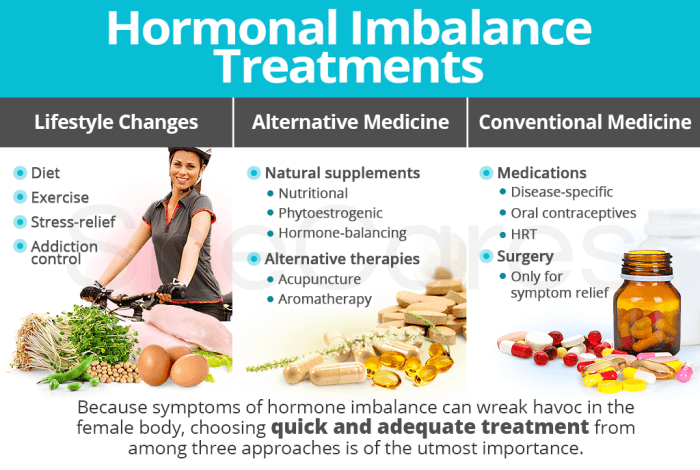
Holistic Treatments: Lifestyle Changes For Hormonal Health
Holistic treatments focus on treating the body as a whole, aiming to address the root cause of hormonal imbalances rather than just the symptoms. These approaches take into account physical, mental, emotional, and spiritual aspects of an individual to promote overall well-being and hormonal health.
Acupuncture
Acupuncture is a traditional Chinese medicine practice that involves inserting thin needles into specific points on the body to stimulate energy flow. This ancient technique is believed to help regulate hormonal levels, reduce stress, and improve overall health.
- Helps balance hormones naturally
- Reduces stress and anxiety
- Improves energy levels and overall well-being
Herbal Medicine
Herbal remedies have been used for centuries to support hormonal balance and overall health. Plants like maca, ashwagandha, and chaste tree are known for their adaptogenic properties, helping the body adapt to stress and regulate hormones.
- Supports hormonal balance
- Reduces symptoms of hormonal imbalances
- Promotes overall well-being
Yoga and Meditation
Yoga and meditation are practices that focus on mindfulness, breathing techniques, and physical movement to promote relaxation, reduce stress, and balance hormones naturally. These mind-body practices can help improve hormonal health and overall wellness.
- Reduces cortisol levels and stress
- Improves mood and mental clarity
- Enhances overall well-being
Mental Resilience
Maintaining hormonal balance is closely linked to mental resilience, as stress and emotional well-being play a significant role in hormone regulation. When we experience high levels of stress, our cortisol levels can increase, impacting our hormonal health. Therefore, developing strategies to enhance mental resilience is crucial for overall well-being.
Importance of Mental Resilience
Mental resilience is essential for maintaining hormonal balance because it helps us cope with stress effectively. By managing our emotions and responses to challenging situations, we can reduce the negative impact of stress on our hormones. Resilience also promotes a positive mindset, which can influence our hormonal health in a beneficial way.
Strategies for Enhancing Mental Resilience
- Practice mindfulness and meditation to improve emotional regulation and reduce stress levels.
- Engage in regular physical activity, which can boost mood and resilience.
- Cultivate a strong support system of friends, family, or a therapist to lean on during tough times.
- Set boundaries and learn to say no to excessive demands on your time and energy.
Tips for Building Emotional Strength
- Focus on self-care activities that bring you joy and relaxation.
- Develop a positive self-talk habit to boost self-esteem and confidence.
- Practice gratitude and reflection to foster a resilient mindset.
Coping Mechanisms for Hormonal Health
- Establish a regular sleep schedule to support hormone production and regulation.
- Eat a balanced diet rich in nutrients that support brain health and hormonal balance.
- Seek professional help if you struggle with chronic stress, anxiety, or depression.
Conclusion
Embark on a journey towards optimal hormonal health by embracing these lifestyle changes with open arms. Remember, small adjustments can lead to significant transformations in your well-being, paving the way for a vibrant and balanced life.
Questions and Answers
Can lifestyle changes alone improve hormonal health significantly?
While lifestyle changes play a crucial role, individual factors may vary. Consulting a healthcare professional for personalized guidance is recommended.
Are there any specific herbs known for their positive effects on hormonal health?
Yes, herbs like maca root, ashwagandha, and evening primrose oil are known for their beneficial impact on hormonal balance.
How do hormonal imbalances affect skin health?
Hormonal imbalances can lead to issues like acne, dry skin, or premature aging, emphasizing the need for a skincare routine tailored to hormonal balance.
What role does exercise play in supporting healthy muscle mass?
Regular exercise, especially strength training, can help build and maintain muscle mass, contributing to overall hormonal health.


![Government-funded vaccination programs in [your country]](https://bloodlpressure.info/wp-content/uploads/2024/07/24808-300x300.jpeg)
