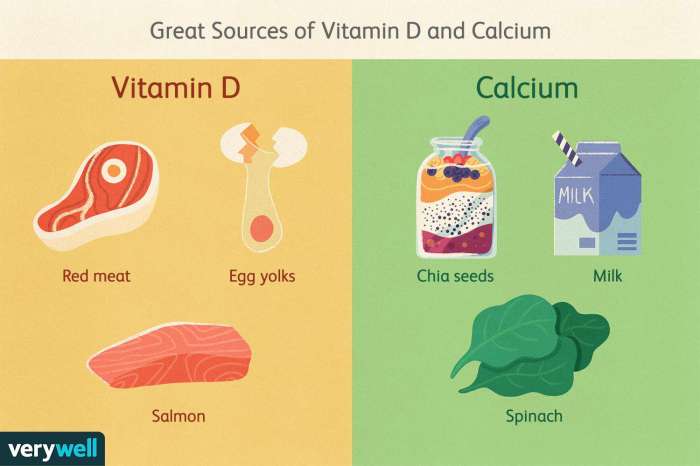
Importance of calcium and vitamin D for bone density sets the stage for this enthralling narrative, offering readers a glimpse into a story that is rich in detail and brimming with originality from the outset. As we delve into the intricate relationship between these nutrients and bone health, a world of fascinating discoveries awaits.
Importance of Calcium and Vitamin D for Bone Density
Calcium and vitamin D are essential nutrients that play a crucial role in maintaining bone health and density. Together, they work synergistically to support bone formation, strength, and overall skeletal integrity.
Role of Calcium in Bone Density and Strength
Calcium is a mineral that is primarily stored in our bones and teeth, contributing to their structure and strength. Adequate calcium intake is vital for maintaining optimal bone density and preventing conditions like osteoporosis. When calcium levels are low, the body may leach calcium from the bones, leading to weakened bone structure and an increased risk of fractures.
Role of Vitamin D in Calcium Absorption for Bone Formation
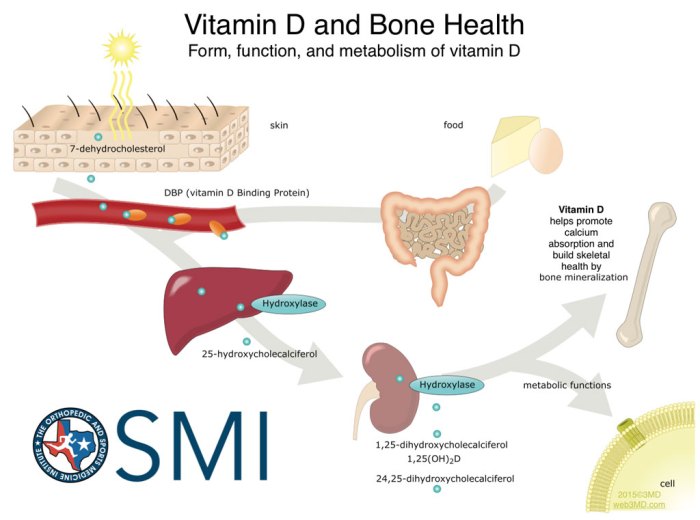
Vitamin D plays a critical role in the absorption of calcium from the intestine into the bloodstream. Without sufficient vitamin D levels, the body struggles to utilize the calcium obtained from the diet, resulting in poor bone mineralization. Vitamin D helps regulate calcium levels in the blood and ensures that an adequate amount of calcium is available for bone formation and maintenance.
Consequences of Calcium or Vitamin D Deficiency on Bone Density
Inadequate intake of calcium or vitamin D can have serious consequences on bone density and overall bone health. A deficiency in these nutrients can lead to conditions like osteopenia or osteoporosis, characterized by weak and brittle bones that are more prone to fractures.
It is essential to ensure a sufficient intake of both calcium and vitamin D through diet, supplementation, and sun exposure to support optimal bone density and reduce the risk of bone-related disorders.
Wellness Programs
Wellness programs play a crucial role in promoting overall health and well-being, including bone health. These programs often offer a range of activities and resources aimed at educating individuals on the importance of maintaining strong bones through proper nutrition, exercise, and screenings.
Examples of Wellness Programs for Bone Health
- Corporate Wellness Programs: Many companies offer wellness programs that include bone density screenings, educational workshops on bone health, and access to fitness classes that focus on strengthening bones.
- Community Health Initiatives: Local community centers or health organizations may organize events such as bone health fairs, where individuals can receive free bone density screenings and learn about the role of calcium and vitamin D in bone density.
- School-Based Wellness Programs: Schools can implement programs that educate students on the importance of bone health through nutrition education, physical education classes, and activities that promote bone-strengthening exercises.
Benefits of Incorporating Bone Density Screenings in Wellness Programs
By including bone density screenings in wellness programs, individuals can proactively assess their bone health and identify potential issues early on. This can lead to timely interventions, such as lifestyle modifications or medical treatments, to prevent or manage conditions like osteoporosis.
Educating Individuals on Calcium and Vitamin D for Bone Density
Wellness programs can educate individuals on the importance of calcium and vitamin D for bone density through workshops, seminars, and informational materials. By raising awareness about the role of these nutrients in bone health, individuals can make informed choices to support their skeletal system.
Promoting Overall Well-Being through Bone Health Initiatives
By integrating bone health initiatives into wellness programs, individuals can improve their overall well-being. Strong bones support mobility, reduce the risk of fractures, and contribute to a healthy lifestyle. Wellness programs that prioritize bone health empower individuals to take control of their health and make positive choices for their future.
Herbal Remedies
When it comes to improving bone density, herbal remedies can play a significant role in supporting overall bone health. These natural remedies have been used for centuries in various traditional practices to enhance calcium absorption and promote strong bones.
Herbs for Bone Health
There are several herbs that are known for their ability to improve bone density and support calcium absorption in the body. Some of the most commonly used herbs for bone health include:
- Nettle:Nettle is rich in minerals like calcium, magnesium, and silica, which are essential for bone strength. It also helps in reducing inflammation and promoting bone health.
- Horsetail:Horsetail is a herb that is high in silica, a mineral that is crucial for collagen formation and bone strength. It can help in improving bone density and reducing the risk of fractures.
- Red Clover:Red clover is known for its isoflavones, which can help in preventing bone loss and improving bone density. It also has anti-inflammatory properties that benefit overall bone health.
Benefits and Risks of Herbal Remedies
While herbal remedies can offer natural solutions for improving bone density, it is important to be aware of the potential benefits and risks associated with their use.
- Benefits:Herbal remedies can provide a holistic approach to bone health, offering a natural source of essential nutrients that support bone density. They can also help in reducing inflammation and promoting overall bone strength.
- Risks:Some herbs may interact with medications or have side effects, so it is crucial to consult with a healthcare provider before incorporating herbal remedies into your routine. Additionally, the quality and dosage of herbal supplements can vary, leading to potential risks if not taken properly.
Skin Health
The connection between bone density and skin health is often overlooked, but they are closely related. Adequate calcium and vitamin D intake can significantly impact skin elasticity, as these nutrients play a crucial role in collagen production, which is essential for maintaining firm and youthful skin.
When bone health is compromised, it can reflect on the overall health and appearance of the skin, leading to issues like sagging, wrinkles, and dullness.
Impact of Calcium and Vitamin D on Skin Health
- Calcium helps regulate skin cell turnover and renewal, promoting a healthy and glowing complexion.
- Vitamin D aids in skin cell growth, repair, and metabolism, contributing to skin rejuvenation and overall health.
- Together, calcium and vitamin D support the skin’s natural barrier function, protecting it from external damage and maintaining hydration levels.
- Deficiencies in these nutrients can lead to dry, rough, and prematurely aging skin, highlighting the importance of adequate intake for skin health.
Skincare Tips for Optimal Bone Density
- Stay hydrated by drinking plenty of water to support collagen production and maintain skin elasticity.
- Eat a balanced diet rich in calcium sources like dairy products, leafy greens, and fortified foods to promote bone health and improve skin tone.
- Limit sun exposure and use sunscreen to prevent vitamin D depletion and protect the skin from harmful UV rays.
- Incorporate antioxidant-rich foods like berries, nuts, and seeds into your diet to combat oxidative stress and preserve skin health.
- Adopt a regular skincare routine with gentle cleansers, moisturizers, and serums to nourish the skin and maintain its youthful appearance.
Muscle Mass
When it comes to bone density and muscle mass, there is a direct relationship between the two. Strong muscles help support and protect bones, while healthy bones provide a framework for muscle attachment and movement.
Importance of Calcium Intake for Muscle Function
Adequate calcium intake is essential for muscle function and strength. Calcium is involved in muscle contraction, which is crucial for movement and overall muscle performance. Without enough calcium, muscles may not function optimally, leading to weakness and increased risk of injury.
Exercises to Improve Bone Density and Muscle Mass
- Weight-bearing exercises such as walking, running, and weightlifting can help improve both bone density and muscle mass. These activities put stress on the bones, stimulating them to become stronger, while also engaging muscles to support the movement.
- Resistance training, including exercises with weights or resistance bands, can help build muscle mass and strength, which in turn supports bone health.
- Balance exercises like yoga or tai chi can also be beneficial for improving coordination, stability, and overall muscle function, contributing to better bone health.
Importance of Maintaining Muscle Mass for Bone Health
Maintaining muscle mass is crucial for bone health and overall well-being. Strong muscles help support the skeletal system, reducing the risk of falls and fractures. Additionally, muscles play a role in metabolism, which can impact bone density and overall health.
Dental Care
Maintaining optimal bone density is not only crucial for overall bone health but also plays a significant role in dental care. The correlation between bone density and dental health is undeniable, as strong teeth and jawbones rely on adequate levels of calcium and vitamin D for support.
Role of Calcium and Vitamin D in Dental Health
Calcium is essential for the formation and maintenance of strong teeth and jawbones. It helps in mineralizing the enamel, which is the outer layer of the teeth, making them more resistant to decay and damage. Vitamin D, on the other hand, aids in the absorption of calcium from the diet, ensuring that an adequate amount of calcium is available for dental health.
- Include calcium-rich foods in your diet such as dairy products, leafy greens, and fortified foods to support dental health.
- Get plenty of sunlight exposure or consider taking vitamin D supplements to maintain optimal levels for calcium absorption.
- Practice good oral hygiene by brushing and flossing regularly to prevent tooth decay and gum disease, which can be exacerbated by poor bone health.
Impact of Poor Bone Health on Dental Conditions
When bone density is compromised, it can lead to a variety of dental issues. Weakened jawbones may not be able to support teeth properly, resulting in tooth loss or misalignment. Additionally, conditions like osteoporosis, which is characterized by low bone density, can also affect the bones that support the teeth, leading to increased risk of tooth loss.
Poor bone health can contribute to a higher likelihood of dental problems, emphasizing the importance of maintaining optimal bone density for overall dental care.
Eye Health
Calcium and vitamin D play a crucial role not only in maintaining bone density but also in promoting overall eye health. These essential nutrients can have a positive impact on eye function and help prevent certain age-related eye conditions.
Impact on Eye Health
- Calcium is important for maintaining the structure and strength of the eye, including the retina and cornea.
- Vitamin D helps reduce inflammation in the eyes and may lower the risk of developing conditions like dry eye syndrome.
- Both nutrients contribute to the health of blood vessels in the eyes, which is essential for proper circulation and oxygen supply.
Mental Clarity
Maintaining good bone density not only benefits physical health but also plays a role in mental clarity. The relationship between bone density and cognitive function is often overlooked, but nutrients like calcium and vitamin D can have a significant impact on brain health.
Nutrients and Cognitive Function
Calcium and vitamin D are essential for maintaining strong bones, but they also support cognitive function. Vitamin D receptors are found throughout the brain, indicating its importance for brain health. Studies have shown that a deficiency in vitamin D may be linked to cognitive decline and an increased risk of neurodegenerative diseases.
Similarly, calcium is involved in neurotransmitter release and signal transmission in the brain. It also plays a role in regulating blood flow to the brain, which can affect cognitive performance. Ensuring adequate intake of both calcium and vitamin D is crucial for supporting mental acuity.
Lifestyle Habits for Bone Health and Mental Acuity
- Engage in regular physical activity, such as weight-bearing exercises, to promote bone strength and cognitive function.
- Follow a balanced diet rich in calcium and vitamin D sources, such as dairy products, leafy greens, and fatty fish.
- Get regular sunlight exposure to boost vitamin D levels naturally.
- Practice stress-reducing activities like meditation or yoga to support brain health.
Importance of Good Bone Density for Brain Health
Good bone density is a reflection of overall health, including brain health. Strong bones provide a sturdy foundation for the body, which includes supporting the brain and protecting it from injury. Maintaining optimal bone density through proper nutrition and lifestyle habits can contribute to better cognitive function and mental clarity as we age.
Joint Flexibility
Maintaining joint flexibility is crucial for overall mobility and quality of life. Healthy bones play a significant role in supporting joint function and movement, making it essential to prioritize bone density for joint health.
Role of Calcium and Vitamin D
Calcium and vitamin D are key nutrients that contribute to maintaining strong bones and supporting joint flexibility. Calcium helps in the formation and maintenance of bone structure, while vitamin D aids in the absorption of calcium in the body. Together, they play a vital role in preventing bone loss and maintaining optimal bone density, which directly impacts joint health.
- Calcium-rich foods such as dairy products, leafy greens, and fortified foods can help meet the daily calcium requirements for bone health.
- Exposure to sunlight is a natural source of vitamin D, but supplements may be necessary for individuals with limited sun exposure or specific health conditions.
- Regular exercise, including weight-bearing and resistance training, can help strengthen bones and improve joint flexibility.
Benefits of Healthy Bones for Joint Function
Maintaining healthy bones through adequate calcium and vitamin D intake not only supports bone density but also enhances joint function. Strong bones provide a stable foundation for joints, reducing the risk of injuries and promoting overall mobility. By incorporating bone-strengthening exercises and a balanced diet rich in calcium and vitamin D, individuals can improve joint flexibility and maintain optimal bone health for long-term well-being.
Digestive Health
Maintaining good digestive health is crucial for overall well-being, including bone density. The relationship between the two is often overlooked but plays a significant role in nutrient absorption and utilization.
Nutrients Essential for Bone Health and Digestive Support
Certain nutrients that are essential for bone health, such as calcium and vitamin D, also support optimal digestive functions. For example, vitamin D helps in the absorption of calcium in the gut, which is crucial for bone density. Additionally, probiotics found in some dairy products can aid in digestion and promote gut health, indirectly benefiting bone health.
Dietary Habits for Bone Density and Digestive Well-being
- Including fiber-rich foods like fruits, vegetables, and whole grains in your diet can promote healthy digestion and support the absorption of essential nutrients for bone health.
- Consuming fermented foods like yogurt and kefir can introduce beneficial bacteria to the gut, improving digestion and overall nutrient absorption.
- Avoiding excessive consumption of processed foods and sugary drinks can help maintain a healthy gut microbiome, which is essential for both digestive health and bone density.
Consequences of Digestive Issues on Nutrient Absorption
Digestive issues such as irritable bowel syndrome (IBS) or inflammatory bowel disease (IBD) can hinder nutrient absorption, leading to deficiencies that can impact bone health. For instance, malabsorption of calcium due to digestive issues can result in weakened bones and increased risk of fractures.
Detox Process
Maintaining good bone health is not just about calcium and vitamin D intake, but also about supporting the body’s detoxification process. The body’s ability to effectively remove toxins plays a crucial role in overall bone density and health.
Connection Between Bone Density and Detoxification
Toxins in the body can impact bone density by interfering with the absorption of essential nutrients like calcium. When toxins accumulate, they can lead to inflammation and oxidative stress, which can weaken bones and affect their density. It is important to support the body’s detox process to maintain optimal bone health.
- Detox Strategies: Implementing a diet rich in antioxidants, staying hydrated, regular exercise, and adequate sleep can support the body’s natural detoxification process.
- Reducing Toxins: Avoiding exposure to environmental toxins, such as heavy metals and pesticides, can help mitigate their impact on bone density.
- Supplements: Certain supplements like milk thistle, chlorophyll, and glutathione can aid in detoxification and support bone health.
Blood Pressure
When it comes to bone density and blood pressure regulation, there is a fascinating interplay between the two. Research has shown that individuals with higher bone density tend to have better blood pressure regulation, while those with lower bone density may be at a higher risk for hypertension.
Relationship Between Calcium, Vitamin D, and Blood Pressure
Calcium and vitamin D play crucial roles in maintaining healthy blood pressure levels. Calcium helps to regulate muscle contractions, including those in the walls of blood vessels, which can impact blood pressure. Additionally, vitamin D helps to regulate the renin-angiotensin system, which also plays a role in blood pressure regulation.
Lifestyle Factors Impacting Bone Health and Blood Pressure
- Regular exercise: Physical activity can help maintain both bone density and blood pressure levels.
- Healthy diet: Consuming a balanced diet rich in calcium and vitamin D can support bone health and blood pressure regulation.
- Stress management: Chronic stress can negatively impact both bone density and blood pressure, so stress-reducing activities are beneficial.
- Smoking and alcohol consumption: These habits can have detrimental effects on both bone health and blood pressure.
Monitoring Blood Pressure for Bone Density
It is important to monitor blood pressure regularly, especially in individuals with concerns about bone density. High blood pressure can lead to bone loss and increase the risk of fractures. By keeping blood pressure in check, individuals can also support their bone health and overall well-being.
Heart Rate
Maintaining good bone density is not only crucial for bone health but also plays a significant role in supporting overall cardiovascular function. The connection between bone density and heart rate is vital for understanding the importance of calcium and vitamin D in promoting a healthy heart rate.
Role of Calcium and Vitamin D
Calcium and vitamin D are essential nutrients that not only support bone health but also contribute to maintaining a healthy heart rate. Calcium is involved in muscle contraction, including the heart muscle, while vitamin D helps regulate calcium levels in the body.
Together, they play a crucial role in ensuring proper heart function and a steady heart rate.
- Calcium-rich foods such as dairy products, leafy greens, and fortified foods can help support both bone density and heart health.
- Exposure to sunlight is a natural way to boost vitamin D levels, but supplements may be necessary, especially for those with limited sun exposure.
- Regular exercise, including weight-bearing activities like walking or strength training, can help improve bone density and cardiovascular health.
Impact on Cardiovascular Function
Maintaining good bone health through adequate calcium and vitamin D intake not only supports bone density but also has a positive impact on cardiovascular function. Strong bones provide a solid framework for muscle attachment and help support proper posture and movement, ultimately benefiting overall heart health.
By ensuring optimal bone density through a balanced diet, regular exercise, and adequate sunlight exposure, individuals can promote both bone health and cardiovascular function.
Health Screenings
Routine health check-ups play a crucial role in maintaining overall wellness by detecting potential health issues early on. One important aspect of these screenings is assessing bone density to prevent conditions like osteoporosis.
Importance of Bone Density Screenings
Bone density screenings are essential for identifying signs of bone loss and osteoporosis in the early stages. By measuring bone mineral density, healthcare providers can assess the risk of fractures and other complications related to weakened bones.
- Early Detection: Health screenings help in detecting bone density issues before they progress to more severe conditions, allowing for timely intervention and treatment.
- Preventive Measures: Proactive screenings enable individuals to take preventive measures such as dietary changes, exercise routines, and medication to maintain optimal bone health.
- Overall Wellness: Regular bone density screenings are a key component of preventive healthcare, contributing to overall wellness and quality of life.
- Disease Prevention: Monitoring bone density through screenings not only helps in preventing osteoporosis but also reduces the risk of fractures and related complications in the future.
Vaccination Programs: Importance Of Calcium And Vitamin D For Bone Density
Maintaining good bone health is crucial for various aspects of overall wellness, including the effectiveness of vaccination programs. Strong bones play a vital role in enhancing the body’s response to vaccines and ensuring optimal immune function. Considering bone health in vaccination strategies is essential for maximizing the benefits of immunization.
Let’s delve into how vaccination programs can be tailored to support bone density and overall health.
Connection between Bone Density and Vaccination Effectiveness
- Optimal bone density is linked to improved immune response, which is crucial for the effectiveness of vaccines.
- Weak bones may compromise the body’s ability to mount a robust immune reaction to vaccines, reducing their efficacy.
- Individuals with poor bone health may experience suboptimal vaccine protection, emphasizing the importance of bone density in vaccination programs.
Enhancing Body’s Response to Vaccines
- Healthy bones support the production of immune cells necessary for a strong vaccine response.
- Calcium and vitamin D play a role in immune function, potentially influencing vaccine efficacy through bone health support.
- Improving bone density through proper nutrition and exercise can enhance the body’s ability to generate a robust immune response post-vaccination.
Importance of Considering Bone Health in Vaccination Strategies
- Incorporating bone health assessments into pre-vaccination screenings can help identify individuals at risk of suboptimal vaccine responses.
- Healthcare providers can recommend bone-strengthening interventions to improve vaccine outcomes for individuals with compromised bone density.
- Educating the public about the importance of bone health in vaccination effectiveness can encourage proactive measures to support overall wellness.
Tailoring Vaccination Programs for Bone Density Support
- Developing vaccination schedules that consider bone health status can optimize vaccine responses in vulnerable populations.
- Collaboration between healthcare professionals specializing in bone health and immunization can enhance vaccination strategies for individuals with bone health concerns.
- Research on the impact of bone density on vaccine efficacy can guide the development of tailored vaccination protocols for different bone health profiles.
Healthy Habits
Maintaining healthy habits is crucial for promoting optimal bone density and overall health. By incorporating calcium and vitamin D-rich foods into your daily routine, you can support your bone health and reduce the risk of osteoporosis. Consistency in these habits is key to long-term bone health and preventing bone-related issues.
Lifestyle Habits for Optimal Bone Density and Overall Health
- Aim to include sources of calcium such as dairy products, leafy greens, and fortified foods in your meals.
- Get plenty of vitamin D from sources like sunlight, fatty fish, and fortified products to aid in calcium absorption.
- Engage in weight-bearing exercises like walking, jogging, or dancing to strengthen bones and prevent bone loss.
- Avoid smoking and excessive alcohol consumption, as they can weaken bones and increase the risk of fractures.
Integrating Calcium and Vitamin D-Rich Foods into Daily Routines
- Start your day with a breakfast rich in calcium, such as yogurt with fruit and nuts.
- Snack on cheese, almonds, or fortified cereals throughout the day for an extra calcium boost.
- Include vitamin D sources like salmon, tuna, and eggs in your meals to support bone health.
- Consider taking supplements if you have difficulty meeting your calcium and vitamin D needs through food alone.
Significance of Maintaining Healthy Habits for Long-Term Bone Health
- Consistent healthy habits can help prevent bone loss and reduce the risk of fractures as you age.
- By prioritizing bone health through diet and exercise, you can maintain strong and healthy bones throughout your life.
- Healthy habits not only benefit bone density but also contribute to overall well-being and quality of life.
Role of Consistency in Healthy Habits for Sustaining Bone Density
- Regularly consuming calcium and vitamin D-rich foods ensures that your bones receive the nutrients they need to stay strong.
- Engaging in weight-bearing exercises consistently helps maintain bone density and prevent bone loss over time.
- Creating a routine that incorporates healthy habits for bone health can lead to long-term benefits and reduced risk of osteoporosis.
Balanced Hormones
Maintaining hormone balance is crucial for optimal bone density and overall well-being. Hormonal changes can significantly impact calcium absorption and bone health, making it essential to understand the relationship between hormones and bone density.
Impact of Balanced Hormones on Bone Density
Balanced hormones play a key role in regulating bone metabolism and maintaining bone density. Hormonal imbalances, such as low estrogen levels in postmenopausal women, can lead to decreased bone density and increased risk of fractures.
- Estrogen, testosterone, and thyroid hormones are particularly important for bone health.
- Estrogen helps regulate osteoclasts and osteoblasts, the cells responsible for breaking down and building bone tissue.
- Testosterone also plays a role in bone density by supporting bone formation and strength.
- Thyroid hormones influence bone growth and turnover, affecting overall bone health.
Ensuring hormonal balance through proper nutrition, regular exercise, and stress management is essential for maintaining optimal bone density.
Strategies for Maintaining Hormone Balance
To support hormone balance and promote bone health, individuals can implement lifestyle changes and habits that contribute to overall well-being.
- Follow a balanced diet rich in calcium, vitamin D, and other nutrients essential for hormone production and bone health.
- Engage in regular physical activity, including weight-bearing exercises that help strengthen bones and support hormonal balance.
- Manage stress through relaxation techniques, mindfulness practices, and adequate sleep to prevent hormonal disruptions.
- Consult healthcare professionals for hormone testing and guidance on hormone replacement therapy if necessary.
Health Coaching
Health coaching plays a crucial role in helping individuals improve their bone density by providing personalized guidance and support.
Role of Health Coaches in Promoting Calcium and Vitamin D Intake
Health coaches act as educators and motivators, emphasizing the importance of adequate calcium and vitamin D intake for optimal bone health. They help individuals understand the impact of these nutrients on bone density and overall well-being.
Personalized Support for Achieving Optimal Bone Density
- Health coaches create personalized plans tailored to individual needs, including diet modifications, exercise routines, and lifestyle changes to support bone health.
- They offer continuous guidance, accountability, and encouragement to help individuals stay committed to their bone health goals.
- By addressing specific challenges and barriers, health coaches empower individuals to make sustainable choices that promote healthy bones.
Benefits of Incorporating Health Coaching into Bone Health Initiatives
- Improved Compliance: Health coaching increases adherence to recommended calcium and vitamin D intake, enhancing bone density outcomes.
- Enhanced Education: Coaches provide valuable information on bone health, empowering individuals to make informed decisions and take control of their well-being.
- Long-Term Success: The ongoing support and guidance from health coaches promote lasting habits that contribute to maintaining optimal bone density over time.
Fitness Goals
Setting fitness goals plays a crucial role in improving bone density and overall well-being. By establishing clear objectives, individuals can focus their efforts on exercises that specifically target bone health, leading to stronger bones and reduced risk of osteoporosis.
Types of Exercises for Bone Health
- Weight-bearing exercises: Activities like walking, jogging, dancing, and weightlifting help stimulate bone formation and increase bone density.
- Resistance training: Using resistance bands, free weights, or weight machines can strengthen muscles and bones, improving overall bone health.
- Balance exercises: Practicing balance exercises like yoga or tai chi can help prevent falls and fractures, promoting bone health.
Benefits of Achieving Fitness Goals
- Improved bone density: Regular exercise and achieving fitness goals can lead to increased bone density, reducing the risk of fractures and osteoporosis.
- Enhanced overall well-being: Physical activity not only strengthens bones but also improves muscle strength, joint flexibility, and cardiovascular health.
- Long-term bone health: Consistent exercise and reaching fitness goals contribute to long-term bone health, ensuring strong and healthy bones as individuals age.
Aligning Fitness Goals with Bone Health Objectives
- Setting specific bone health objectives: Tailoring fitness goals to include exercises that target bone health can help individuals achieve optimal bone density.
- Consulting with a healthcare provider: Seeking guidance from a healthcare professional can ensure that fitness goals align with bone health objectives and individual needs.
- Tracking progress: Monitoring improvements in bone density and overall fitness levels can motivate individuals to continue pursuing their fitness goals for better bone health.
Diet Planning
Maintaining optimal bone density requires a holistic approach, and diet planning plays a crucial role in supporting bone health. By incorporating the right nutrients into your meals, you can enhance calcium and vitamin D intake, which are essential for strong and healthy bones.
Essential Nutrients for Bone Health
- Calcium: This mineral is a building block for bones and crucial for maintaining bone density. Good sources include dairy products, leafy greens, and fortified foods.
- Vitamin D: Helps the body absorb calcium and plays a key role in bone health. Sun exposure, fatty fish, and fortified foods are excellent sources of vitamin D.
- Protein: Important for bone strength and repair. Include lean meats, poultry, fish, beans, and nuts in your diet to meet protein needs.
- Magnesium: Supports bone density and helps in calcium absorption. Nuts, seeds, whole grains, and leafy greens are rich sources of magnesium.
Incorporating Nutrients into Meal Plans
- Start your day with a calcium-rich breakfast like yogurt with fruit and nuts.
- Include leafy greens in your salads and smoothies for a boost of calcium and magnesium.
- Snack on calcium-fortified foods such as tofu or almond milk throughout the day.
- Choose vitamin D-rich foods like salmon or eggs for main meals to support bone health.
Benefits of Consistent Diet Planning
Consistent and balanced diet planning for bone density can lead to improved bone strength, reduced risk of fractures, and overall better bone health in the long run.
Health Supplements
When it comes to supporting bone density, health supplements play a crucial role in ensuring optimal bone health. Among the various supplements available, calcium and vitamin D are well-known for their effectiveness in maintaining strong bones.
Effectiveness of Calcium and Vitamin D Supplements
Calcium and vitamin D supplements are widely recognized for their role in supporting bone density and overall bone health. These supplements work together to help the body absorb calcium efficiently, which is essential for maintaining strong and healthy bones. Vitamin D aids in the absorption of calcium from the intestines, while calcium is a key mineral needed for bone formation and strength.
- Calcium supplements help prevent bone loss and reduce the risk of fractures, especially in individuals who may have difficulty getting enough calcium from their diet alone.
- Vitamin D supplements are important for maintaining adequate levels of this essential vitamin, especially for those who have limited sun exposure, which is a primary source of vitamin D for the body.
- Combining calcium and vitamin D supplements can provide a powerful combination for promoting bone health and density, ultimately reducing the risk of osteoporosis and other bone-related conditions.
Choosing the Right Health Supplements
When selecting health supplements to support bone density, it’s essential to consider a few key factors to ensure optimal results.
- Consult with a healthcare provider or nutritionist to determine the appropriate dosage of calcium and vitamin D supplements based on individual needs and health status.
- Look for high-quality supplements from reputable brands to ensure purity, potency, and bioavailability of the nutrients.
- Consider any potential interactions with medications or existing health conditions before starting a new supplement regimen.
Role of Health Supplements in Complementing Dietary Sources
While it’s important to obtain nutrients from a balanced diet, health supplements can serve as a valuable addition to help fill any nutritional gaps and support overall bone health.
Supplements should not replace a healthy diet but rather complement it to ensure adequate intake of essential nutrients for optimal bone density and overall wellness.
Breathing Techniques
Breathing techniques play a crucial role in maintaining good bone density and overall bone health. By incorporating deep breathing practices into your daily routine, you can not only promote relaxation and reduce stress but also support your bone health in the process.
Connection between Breathing Techniques and Bone Density
- Deep breathing techniques help to oxygenate the blood, improving circulation and nutrient delivery to the bones, which is essential for maintaining bone density.
- Proper breathing techniques can also reduce cortisol levels, which are known to have a negative impact on bone health when elevated for prolonged periods.
- By reducing stress through mindful breathing, you can prevent the release of stress hormones that may contribute to bone loss over time.
Breathing Exercises for Bone Health
- Diaphragmatic breathing: Focus on breathing deeply into your diaphragm, expanding your belly as you inhale and contracting it as you exhale.
- Alternate nostril breathing: This technique can help balance the body’s energy flow and promote relaxation, benefiting overall bone health.
- 4-7-8 breathing: Inhale for a count of 4, hold for a count of 7, and exhale for a count of 8. This rhythmic breathing exercise can help reduce stress and promote calmness.
Incorporating Mindful Breathing into Daily Routine
- Start your day with a few minutes of deep breathing to set a positive tone for the day and support your bone health from the beginning.
- Practice mindful breathing before bedtime to relax your body and mind, promoting better sleep quality, which is essential for bone regeneration.
- Take short breathing breaks throughout the day to reduce stress levels and keep your bones healthy and strong.
Disease Prevention
Maintaining optimal bone density is crucial for disease prevention as it plays a significant role in overall health and wellness. Good bone health is not only essential for physical strength and mobility but also for preventing various diseases and conditions.
Link between Bone Density and Disease Prevention
- Optimal bone density helps in reducing the risk of osteoporosis, a condition characterized by weak and brittle bones that are more prone to fractures.
- Strong bones also support a healthy immune system, reducing the likelihood of infections and illnesses.
- Good bone health can contribute to better posture and alignment, which helps in preventing musculoskeletal issues and chronic pain.
Specific Diseases Prevented by Good Bone Health
- Prevention of osteoporosis, a condition that leads to fragile bones and higher fracture risk.
- Reduced chances of developing arthritis, a condition that affects the joints and leads to pain and stiffness.
- Lower risk of fractures and injuries, especially in older adults, due to improved bone strength and density.
Preventative Measures for Supporting Bone Density
- Consuming an adequate amount of calcium and vitamin D through diet or supplements to promote bone health.
- Engaging in weight-bearing exercises like walking, running, or strength training to enhance bone density.
- Avoiding smoking and excessive alcohol consumption, as these habits can negatively impact bone health.
Role of Disease Prevention in Long-Term Bone Health
Maintaining a focus on disease prevention not only helps in preventing specific conditions but also ensures long-term bone health and overall well-being. By adopting healthy lifestyle habits and prioritizing bone health, individuals can significantly reduce the risk of various diseases and maintain strong and resilient bones throughout their lives.
Pain Management
Bone density plays a crucial role in pain management, as poor bone health can contribute to musculoskeletal pain. By addressing bone health, we can effectively manage pain and improve overall quality of life.
Relationship Between Bone Density and Pain Management
Maintaining optimal bone density is essential for preventing musculoskeletal pain. When bones become weak due to factors like low calcium and vitamin D levels, individuals are more prone to fractures and injuries, leading to chronic pain conditions.
- Poor bone health can result in conditions like osteoporosis, which weaken the bones and make them more susceptible to fractures.
- Weakened bones can put pressure on surrounding muscles and joints, causing pain and discomfort in daily activities.
- Optimal bone density supports proper bone structure and alignment, reducing the risk of pain and injuries.
Strategies for Managing Pain through Promoting Optimal Bone Density
Promoting optimal bone density is key to managing pain effectively. By incorporating the following strategies, individuals can enhance bone health and reduce musculoskeletal pain:
- Regular weight-bearing exercises like walking, running, and weightlifting to strengthen bones and prevent bone loss.
- Adequate intake of calcium and vitamin D through diet or supplements to support bone density and overall bone health.
- Avoiding smoking and excessive alcohol consumption, which can weaken bones and increase the risk of fractures.
Benefits of Addressing Bone Health in Pain Management Approaches
Addressing bone health in pain management approaches offers a range of benefits for individuals dealing with musculoskeletal pain:
Improved bone density can enhance bone strength, reduce fracture risk, and alleviate chronic pain conditions.
- Enhanced bone health promotes better posture, joint stability, and overall mobility, leading to reduced pain and discomfort.
- Proper bone density can support the effectiveness of pain management therapies and treatments, improving outcomes for individuals with chronic pain.
- By prioritizing bone health, individuals can prevent future injuries, fractures, and pain-related complications, enhancing their overall quality of life.
Holistic Treatments
Holistic treatments encompass a wide range of natural therapies and practices that focus on treating the whole person, including physical, mental, emotional, and spiritual aspects. When it comes to enhancing bone density, holistic approaches offer a comprehensive way to support bone health and overall well-being.
Acupuncture for Bone Health
Acupuncture, an ancient Chinese healing technique, involves the insertion of thin needles into specific points on the body to stimulate energy flow and promote healing. When it comes to bone health, acupuncture can help improve circulation, reduce inflammation, and alleviate pain associated with conditions like osteoporosis.
By enhancing the body’s natural healing mechanisms, acupuncture can support bone density and overall musculoskeletal health.
Yoga for Bone Strength
Yoga is a mind-body practice that combines physical postures, breathing techniques, and meditation to improve flexibility, strength, and balance. When it comes to bone health, certain yoga poses can help strengthen bones, improve posture, and enhance overall musculoskeletal health. Weight-bearing yoga poses, such as tree pose, warrior pose, and chair pose, can help stimulate bone growth and prevent bone loss.
Benefits of a Holistic Approach
- Holistic treatments focus on addressing the root cause of health issues rather than just treating symptoms.
- By promoting overall well-being, holistic practices like acupuncture and yoga can support optimal bone density and reduce the risk of fractures.
- Holistic approaches emphasize lifestyle modifications, stress management, and nutrition to enhance bone health in a natural and sustainable way.
Mental Resilience
Maintaining good bone density is not only crucial for physical health but also plays a significant role in mental resilience. Strong bones provide a solid foundation for overall well-being, including psychological well-being.
Connection between Bone Health and Mental Resilience
- Good bone density can boost confidence and self-esteem, leading to a more positive outlook on life.
- Physical strength from strong bones can enhance mental strength, helping individuals cope better with stress and challenges.
- Reduced risk of fractures and injuries can alleviate anxiety and fear, promoting a sense of security and stability.
Mindfulness Techniques for Bone Health and Mental Resilience, Importance of calcium and vitamin D for bone density
- Practicing yoga or tai chi can improve balance, posture, and bone strength while calming the mind and enhancing resilience.
- Meditation and deep breathing exercises can reduce stress, promote relaxation, and support both bone health and mental well-being.
- Engaging in activities that promote mindfulness, such as nature walks or journaling, can foster a sense of gratitude and resilience.
Interconnectedness of Physical and Mental Well-Being
- Physical exercise not only strengthens bones but also releases endorphins that boost mood and mental resilience.
- A nutritious diet rich in calcium and vitamin D not only supports bone health but also provides essential nutrients for brain function and emotional well-being.
- Positive social connections and emotional support can contribute to both strong bones and mental resilience through a sense of belonging and emotional stability.
Conclusion
In conclusion, the significance of calcium and vitamin D for bone density cannot be understated. These essential nutrients play a crucial role in maintaining strong and healthy bones, impacting overall well-being in profound ways. By understanding and prioritizing their intake, individuals can pave the way for a future filled with vitality and resilience.
Questions Often Asked
How do calcium and vitamin D work together to support bone health?
Calcium provides the structure to bones while vitamin D helps in the absorption of calcium, making it essential for bone formation.
What are the consequences of calcium or vitamin D deficiency on bone density?
Deficiency in either nutrient can lead to weakened bones, increasing the risk of fractures and other bone-related issues.


![Government-funded vaccination programs in [your country]](https://bloodlpressure.info/wp-content/uploads/2024/07/24808-300x300.jpeg)
