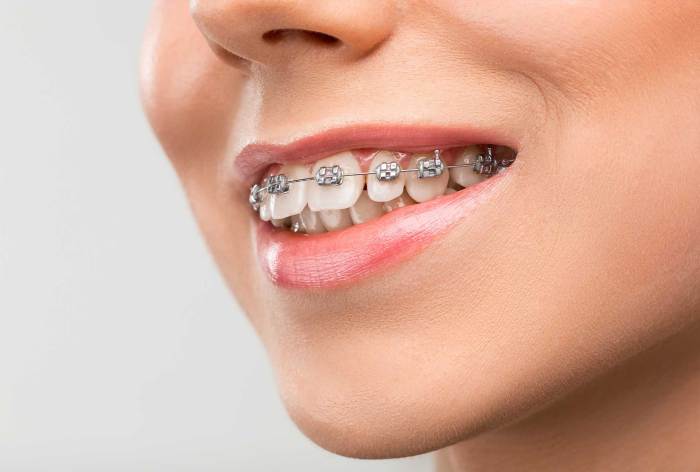
How to maintain dental health with braces or aligners sets the stage for this enthralling narrative, offering readers a glimpse into a story that is rich in detail and brimming with originality from the outset.
Dental health is important, especially when wearing braces or aligners. This article will provide valuable insights on maintaining oral hygiene during orthodontic treatment.
Importance of Dental Health with Braces or Aligners
Maintaining dental health is crucial when wearing braces or aligners to ensure successful treatment outcomes and prevent complications. Poor dental hygiene can lead to issues like cavities, gum disease, and staining, which can prolong the orthodontic treatment process.
Daily Oral Care Routine
Establishing an effective oral care routine is essential for individuals with braces or aligners to keep their teeth and gums healthy. Here are some steps to follow:
- Brush your teeth after every meal and before bed using a soft-bristled toothbrush and fluoride toothpaste.
- Floss at least once a day with special tools like floss threaders or orthodontic floss to clean between brackets and wires.
- Incorporate interdental brushes and water flossers to reach areas that are difficult to access with traditional brushing and flossing.
Dietary Considerations
It’s important to be mindful of your diet while wearing braces or aligners to avoid damaging them and promoting dental health. Here are some dietary considerations:
- Avoid sticky, hard, or sugary foods that can damage braces or aligners, leading to costly repairs.
- Opt for braces-friendly options like soft fruits, vegetables, lean proteins, and dairy products to maintain oral health.
- Certain foods like leafy greens, nuts, and dairy can contribute to overall oral health by providing essential nutrients for strong teeth and gums.
Regular Dental Check-ups, How to maintain dental health with braces or aligners
Regular dental visits are crucial during orthodontic treatment to monitor oral health and ensure that the braces or aligners are working effectively. Here are some key points:
- Dentists can make necessary adjustments to braces or aligners and address any emerging issues to prevent complications.
- Individuals with braces or aligners should schedule dental check-ups every 6-8 weeks to track progress and address any concerns promptly.
Emergency Care and Maintenance
Knowing how to handle orthodontic emergencies and maintain braces or aligners is essential to prevent delays in treatment. Here are some tips:
- If a wire or bracket breaks, use orthodontic wax to cover the sharp edge temporarily and schedule a repair appointment with your orthodontist.
- For minor issues like loose brackets or aligners, follow the guidelines provided by your orthodontist for temporary fixes.
- Seek professional dental help immediately in case of severe pain, injury, or any other urgent orthodontic concerns.
Proper Aligner Care
Properly cleaning and maintaining aligners is key to ensuring good oral hygiene and treatment progress. Here are some steps to follow:
- Regularly clean aligners with a soft toothbrush and mild soap or denture cleaner to prevent bacteria buildup and odors.
- Follow the recommended wear schedule provided by your orthodontist to achieve the desired results within the expected timeframe.
- Keep aligners clear and free from discoloration by avoiding colored beverages and foods that can stain them.
Lifestyle Habits and Dental Health
Your lifestyle choices can impact your dental health with braces or aligners, affecting treatment progress. Here are some considerations:
- Avoid smoking and consuming sugary drinks that can lead to staining, decay, and gum disease, hindering orthodontic treatment.
- Habits like nail-biting or chewing on pencils can damage braces or aligners, causing delays in treatment and potential complications.
- Promote overall wellness by maintaining a balanced diet, staying hydrated, and incorporating regular exercise into your routine alongside dental care.
Impact on Overall Health
Oral health is closely linked to overall well-being, influencing various aspects of your health beyond just your teeth and gums. Here are some insights:
- Good oral hygiene can contribute to factors like heart health, immunity, and overall quality of life, emphasizing the importance of dental care.
- Maintaining a holistic approach to health involves prioritizing dental health alongside other aspects like nutrition, exercise, and stress management for optimal well-being.
Wrap-Up
In conclusion, prioritizing dental health with braces or aligners is essential for a successful treatment outcome and overall well-being. By following the tips Artikeld in this guide, you can ensure a healthy and beautiful smile for years to come.
FAQs: How To Maintain Dental Health With Braces Or Aligners
What are some foods to avoid with braces or aligners?
Avoid sticky or hard foods that can damage your braces or aligners, such as caramel or nuts.
How often should I visit the dentist while wearing braces or aligners?
It is recommended to have regular dental check-ups every 6-8 weeks during orthodontic treatment.
What should I do in case of a broken wire or bracket?
Seek professional dental help immediately to address any orthodontic emergencies like broken wires or brackets.


![Government-funded vaccination programs in [your country]](https://bloodlpressure.info/wp-content/uploads/2024/07/24808-300x300.jpeg)
