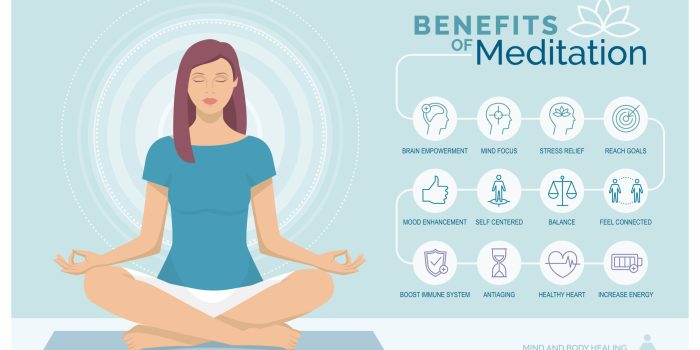
As Benefits of meditation for improving mental clarity takes center stage, this opening passage beckons readers with casual formal language style into a world crafted with good knowledge, ensuring a reading experience that is both absorbing and distinctly original.
Meditation is a powerful tool for sharpening mental acuity, enhancing focus, and reducing stress levels. By exploring various meditation techniques and their impact on mental clarity, individuals can unlock a path to improved cognitive function and emotional well-being.
Benefits of Meditation for Improving Mental Clarity
Meditation is a powerful tool that can significantly enhance mental clarity by improving focus and concentration. Through regular practice, individuals can experience reduced stress and anxiety levels, leading to a clearer mind and increased cognitive function.
Enhancing Focus and Concentration
- Mindfulness meditation: By focusing on the present moment without judgment, individuals can train their minds to stay attentive and improve concentration.
- Transcendental meditation: This technique involves silently repeating a mantra to help clear the mind of distractions and enhance focus.
- Visualization meditation: Visualizing peaceful scenes or positive outcomes can sharpen the mind and improve concentration levels.
Reducing Stress and Anxiety
- Regular meditation practice has been shown to lower cortisol levels, the stress hormone, leading to a calmer state of mind and reduced anxiety.
- Deep breathing exercises during meditation help activate the parasympathetic nervous system, promoting relaxation and reducing stress levels.
- By cultivating a sense of inner peace and mindfulness through meditation, individuals can better manage stressful situations and maintain mental clarity.
Wellness Programs
Wellness programs are designed to promote holistic health and well-being by incorporating various components that cater to physical, mental, and emotional aspects of individuals.
Components of a Comprehensive Wellness Program
- Physical Fitness: Includes activities such as exercise routines, yoga, or sports to promote physical health and strength.
- Nutrition Guidance: Offers advice on healthy eating habits, meal planning, and nutritional education to support overall well-being.
- Mental Health Support: Provides resources for stress management, mindfulness practices, and mental health awareness to improve emotional stability.
- Health Screenings: Offers regular check-ups, screenings, and preventive care to monitor and maintain physical health.
- Work-Life Balance: Encourages a balance between work responsibilities and personal life to prevent burnout and promote overall wellness.
Types of Wellness Programs Available
- Corporate Wellness Programs: Offered by employers to support the health and well-being of employees through various initiatives and incentives.
- Community Wellness Programs: Organized by local communities or organizations to provide access to wellness resources and activities for residents.
- Online Wellness Programs: Accessible through digital platforms, these programs offer virtual resources, classes, and support for individuals seeking wellness guidance.
Benefits of Integrating Wellness Programs in Daily Routines
- Improved Physical Health: Regular participation in wellness programs can lead to better physical fitness, weight management, and reduced risk of chronic diseases.
- Enhanced Mental Well-being: Wellness programs that focus on mental health support can help reduce stress, anxiety, and improve overall mental clarity.
- Increased Productivity: Individuals who engage in wellness activities often experience higher levels of energy, focus, and productivity in their daily tasks.
- Enhanced Quality of Life: By prioritizing wellness and self-care, individuals can experience a higher quality of life, improved relationships, and overall life satisfaction.
Herbal Remedies
In addition to meditation, herbal remedies can also play a significant role in promoting overall health and mental clarity. These natural remedies have been used for centuries to support cognitive function and improve focus.
Specific Herbs for Improving Mental Clarity
- Ginkgo Biloba: Known for its ability to enhance memory and concentration.
- Bacopa Monnieri: Helps reduce stress and anxiety while improving cognitive function.
- Ashwagandha: Adaptogenic herb that helps combat stress and promotes mental clarity.
- Rhodiola Rosea: Known for its energy-boosting properties and ability to enhance mental performance.
It is important to consult a healthcare provider before incorporating herbal remedies into your routine, as some herbs may interact with medications or have side effects.
Skin Health
Meditation is not only beneficial for mental clarity but also plays a significant role in improving skin health. The mind-body connection established through meditation can have positive effects on our skin.Excessive stress and lack of mental clarity can lead to various skin conditions such as acne, eczema, and psoriasis.
When we are stressed, our body releases hormones like cortisol, which can trigger inflammation and other skin issues. By reducing stress levels through meditation, we can help prevent or alleviate these skin conditions.
Combining Meditation with Skincare Routines
- Start your day with a calming meditation session to set a positive tone for your skin and overall well-being.
- Practice mindfulness while applying skincare products, focusing on the sensations and benefits they provide to your skin.
- Include meditation techniques like deep breathing or visualization to promote relaxation, which can reflect positively on your skin.
- Stay hydrated and maintain a healthy diet to complement the effects of meditation on your skin.
Bone Density
Meditation has been known to have a positive impact on various aspects of health, including mental clarity. But did you know that it can also play a role in supporting bone density?When we talk about bone density, we are referring to the strength and quality of our bones.
Maintaining good bone density is crucial for overall health and can help prevent conditions like osteoporosis.
Mindfulness Practices for Bone Health
One way in which meditation can support bone health is through stress reduction. High levels of stress can lead to the release of cortisol, a hormone that can weaken bones over time. By practicing mindfulness and meditation, individuals can lower their stress levels and reduce the impact of cortisol on bone density.Additionally, mindfulness practices can help improve posture and body awareness.
By being more mindful of how we move and hold our bodies, we can reduce the risk of falls and fractures that can impact bone health.
Incorporating Meditation into Activities for Bone Strength
One way to incorporate meditation into activities that promote bone strength is to combine it with weight-bearing exercises. Weight-bearing exercises, such as walking, dancing, or yoga, are known to help build and maintain bone density. By practicing mindfulness during these activities, individuals can enhance their focus and concentration, leading to a more effective workout and better overall bone health.By integrating meditation into activities that support bone strength, individuals can experience the benefits of improved mental clarity while also taking steps to maintain strong and healthy bones.
Muscle Mass
Regular meditation practice can have a positive impact on muscle mass and overall physical well-being. By reducing stress and promoting relaxation, meditation can help in muscle recovery and growth. Additionally, the mental clarity achieved through meditation can play a significant role in reaching fitness goals related to muscle mass.
Meditation Techniques for Muscle Recovery
- Deep Breathing: Deep breathing exercises can help oxygenate the muscles and promote faster recovery after intense workouts.
- Body Scan Meditation: This technique involves focusing on different parts of the body, promoting relaxation and reducing muscle tension.
- Visualization: Imagining the muscles healing and growing stronger can aid in the recovery process.
Dental Care
Meditation not only benefits mental clarity but also plays a significant role in improving dental health and oral hygiene. The practice of mindfulness can promote good dental habits and reduce stress, leading to overall improved dental care.
Mindfulness Practices for Good Dental Habits
- Brushing and flossing mindfully: By focusing on the present moment while brushing and flossing, individuals can ensure they are thorough in their oral care routine.
- Mindful eating: Chewing food slowly and consciously can help prevent overeating and reduce the risk of tooth decay.
- Regular dental check-ups: Being mindful of scheduling and attending dental appointments can aid in early detection and prevention of dental issues.
Link Between Stress Reduction and Improved Dental Care
Stress is known to contribute to oral health problems such as gum disease and teeth grinding. By reducing stress through meditation, individuals can lower their risk of these issues and maintain better oral health.
Eye Health
Meditation not only improves mental clarity but also has positive effects on eye health. The connection between meditation and eye health lies in the relaxation and stress-reducing benefits that meditation provides. Reduced stress levels can help alleviate eye strain and promote overall eye health.
Eye Exercises for Better Vision
- Palming: Rub your palms together to generate heat and place them gently over your closed eyes. This helps relax the eye muscles and reduce strain.
- Eye Rolling: Slowly roll your eyes in a circular motion, first clockwise and then counterclockwise. This exercise can help improve blood circulation to the eyes.
- Focusing: Hold a pen at arm’s length and focus on the tip as you slowly bring it closer to your nose. This exercise helps strengthen eye muscles and improve focus.
Role of Relaxation Techniques in Eye Health
- Blinking: Practice blinking regularly to keep your eyes moist and prevent dryness, especially when staring at screens for prolonged periods.
- 20-20-20 Rule: Every 20 minutes, look at something 20 feet away for at least 20 seconds to reduce eye strain caused by constant screen use.
- Deep Breathing: Incorporate deep breathing exercises into your meditation routine to promote relaxation and improve oxygen flow to the eyes.
Joint Flexibility
Meditation practices can play a significant role in enhancing joint flexibility and mobility. When we engage in mindfulness meditation, we cultivate a deeper awareness of our body and its movements. This increased mind-body connection can help us better understand our limitations and work towards improving our joint health.
Yoga Poses and Stretches
One effective way to improve joint flexibility is by combining meditation with specific yoga poses and stretches. Poses like Downward Dog, Warrior II, and Child’s Pose can help stretch and strengthen the muscles surrounding the joints, promoting better mobility and flexibility.
Pairing these physical exercises with meditation can further enhance the benefits by calming the mind and increasing focus on the present moment.
Importance of Mental Clarity
Maintaining mental clarity is crucial for preventing joint stiffness and maintaining flexibility. When we are stressed or anxious, our muscles tend to tense up, leading to reduced mobility and flexibility in the joints. By practicing meditation regularly, we can reduce stress levels, improve mental clarity, and create a more conducive environment for our joints to move freely.
This holistic approach to joint health can have long-lasting benefits for overall well-being.
Digestive Health
Meditation can have a positive impact on digestive health by reducing stress levels, which are known to contribute to digestive issues such as indigestion, bloating, and irritable bowel syndrome.
Mindfulness Techniques for Better Digestion
- Practice deep breathing exercises to calm the mind and body, promoting better digestion.
- Eat mindfully, focusing on the taste, texture, and smell of your food to aid in the digestion process.
- Avoid multitasking while eating to allow your body to fully concentrate on digesting the food.
- Engage in mindful eating practices such as chewing slowly and savoring each bite.
Impact of Mental Clarity on Gut Health
Maintaining mental clarity through meditation can positively impact gut health by reducing inflammation in the digestive tract, improving nutrient absorption, and promoting healthy gut flora balance. When the mind is clear and focused, the gut-brain connection is strengthened, leading to improved overall digestive well-being.
Detox Process
Meditation not only benefits mental clarity but also plays a crucial role in supporting the body’s natural detoxification processes. By calming the mind and reducing stress, meditation helps to optimize bodily functions, including detoxification and cleansing.
Supporting Detoxification
- Mental clarity achieved through meditation allows the body to focus on eliminating toxins more efficiently.
- Reducing stress levels through meditation helps in lowering the production of cortisol, a stress hormone that can interfere with the detox process.
- Deep breathing techniques practiced during meditation aid in oxygenating the blood and supporting the body’s detoxification pathways.
Combining Meditation with Detox Routines
- Start your day with a meditation session to set a positive tone and mindset for the day ahead.
- Include mindful eating practices during meals to enhance digestion and assimilation of nutrients, supporting the body’s detox efforts.
- Practice meditation before bedtime to promote relaxation and quality sleep, which is essential for the body’s detoxification processes during the night.
Blood Pressure
Meditation can play a crucial role in regulating blood pressure levels and promoting cardiovascular health. By incorporating relaxation techniques into your daily routine, you can effectively manage your blood pressure and improve overall well-being.
Relaxation Techniques for Healthy Blood Pressure
- Deep breathing exercises: Practice deep, slow breathing to reduce stress and promote relaxation, which can help lower blood pressure levels.
- Mindfulness meditation: Focus on the present moment and let go of distractions to calm the mind and reduce anxiety, ultimately benefiting blood pressure control.
- Yoga: Engaging in gentle yoga poses and movements can help release tension in the body, leading to lower blood pressure and improved circulation.
Impact of Mental Clarity on Cardiovascular Health
Mental clarity attained through meditation can have a direct positive impact on cardiovascular health by reducing stress, anxiety, and tension in the body.
- Stress reduction: By calming the mind and body, meditation helps lower stress hormone levels, which in turn can lead to better blood pressure control.
- Improved circulation: Enhanced mental clarity can promote better blood flow and circulation, supporting overall heart health and reducing the risk of cardiovascular issues.
- Emotional balance: Maintaining mental clarity through meditation can help regulate emotions and prevent emotional stressors from negatively affecting blood pressure levels.
Heart Rate
Meditation has a profound impact on heart rate variability and cardiac health. By practicing meditation regularly, individuals can experience lower resting heart rates, decreased blood pressure, and improved overall heart function. This is achieved through the combination of deep breathing techniques, mental focus, and relaxation that meditation promotes.
Effects on Heart Rate Variability and Cardiac Health
- Meditation helps to reduce stress and anxiety, which in turn lowers heart rate and improves heart rate variability. This can lead to a more balanced autonomic nervous system and better cardiovascular health.
- Research has shown that regular meditation practice can decrease the risk of heart disease and stroke by improving heart rate control and reducing inflammation in the body.
Breathing Techniques for Influencing Heart Rate
- One effective breathing technique during meditation is deep diaphragmatic breathing, where individuals focus on breathing deeply into their abdomen rather than shallow chest breathing. This can help slow down the heart rate and induce a state of relaxation.
- Another technique is equal ratio breathing, where the inhalation and exhalation are of equal length. This can help regulate heart rate and create a sense of calmness.
Role of Mental Clarity in Managing Heart Rate
- Mental clarity plays a crucial role in managing heart rate as it allows individuals to focus on calming the mind and body during meditation. By reducing mental chatter and distractions, individuals can better control their heart rate and promote heart health.
- Through the practice of meditation, individuals can develop a greater awareness of their thoughts and emotions, leading to improved emotional regulation and stress management. This, in turn, can positively impact heart rate and overall cardiovascular function.
Health Screenings
Regular health screenings are essential for preventive care as they help in early detection and prevention of potential health issues. These screenings can detect conditions at an early stage when they are easier to treat, thus reducing the risk of complications and improving overall health outcomes.
Importance of Health Screenings
- Screenings can identify risk factors for diseases such as diabetes, hypertension, and certain types of cancer.
- Early detection through screenings can lead to timely intervention and treatment, improving prognosis.
- Regular screenings can help in monitoring health status and making necessary lifestyle changes to prevent diseases.
Role of Meditation in Health Screenings
- Meditation can complement health screenings by reducing stress and anxiety, which are known to impact overall health.
- Practicing meditation can enhance mental clarity, focus, and awareness, which can aid in understanding the importance of health screenings and following through with recommended tests.
- Individuals who meditate regularly may be more proactive in seeking out health screenings and adhering to preventive care guidelines.
Mental Clarity and Health Screening Results
- Mental clarity plays a crucial role in comprehending health screening results and making informed decisions based on the findings.
- Having a clear mind can help individuals understand the implications of test results, follow up with healthcare providers, and take necessary actions for their well-being.
- Improved mental clarity through meditation can lead to better health outcomes by promoting a proactive approach to managing one’s health.
Vaccination Programs
Vaccination programs play a crucial role in public health by preventing the spread of infectious diseases and protecting individuals from potentially life-threatening illnesses. These programs are designed to create herd immunity within communities, reducing the overall risk of outbreaks and ensuring the health and safety of the population.
Significance of Vaccination Programs
- Vaccination programs help to eradicate diseases that were once widespread, such as polio and smallpox.
- By boosting immunity at the population level, vaccination programs protect vulnerable individuals who cannot receive vaccines due to medical reasons.
- Preventing the spread of diseases through vaccination also reduces the burden on healthcare systems and minimizes healthcare costs associated with treating preventable illnesses.
Meditation and Vaccine Efficacy
- Meditation can support overall immunity by reducing stress levels, which have been linked to weakened immune responses.
- Practicing meditation regularly can enhance the body’s ability to respond to vaccines, potentially improving their efficacy.
- By promoting mental clarity and emotional well-being, meditation can help individuals approach vaccination processes with a positive mindset, enhancing the overall experience.
Tips for Maintaining Mental Clarity During Vaccination Processes
- Practice deep breathing exercises to calm the mind and body before and during the vaccination.
- Avoid reading or watching negative news or information that may increase anxiety levels before getting vaccinated.
- Engage in mindfulness techniques to stay present and focused on the moment, reducing feelings of fear or uncertainty.
Healthy Habits
Meditation plays a significant role in cultivating healthy lifestyle habits by enhancing self-awareness, reducing stress, and improving overall mental clarity. This mental clarity, in turn, helps individuals make better choices and maintain positive behaviors in the long term.
Impact of Meditation on Healthy Habits
- Mindful Eating: Meditation promotes mindful eating habits by increasing awareness of hunger cues, leading to healthier food choices and portion control.
- Regular Exercise: By reducing stress and improving focus, meditation can motivate individuals to maintain a consistent exercise routine, promoting physical well-being.
- Quality Sleep: Improved mental clarity from meditation can aid in better sleep patterns, contributing to overall health and wellness.
Examples of Positive Behavior Reinforcement through Meditation
- Smoking Cessation: Meditation has been shown to help individuals quit smoking by reducing cravings and increasing willpower.
- Stress Management: Meditation techniques can be used to cope with stress and anxiety, preventing unhealthy coping mechanisms like emotional eating or substance abuse.
Balanced Hormones
Meditation plays a crucial role in reducing stress levels, which in turn can have a positive impact on hormone balance. When we are stressed, our body releases cortisol, the primary stress hormone, which can disrupt the balance of other hormones in our body.
By practicing meditation regularly, individuals can lower their stress levels and promote hormonal equilibrium.
Meditation Practices for Hormone Regulation
- Mindfulness meditation: This practice involves focusing on the present moment, which can help reduce stress and promote hormonal balance.
- Yoga: Combining meditation with physical movement, yoga can help regulate hormones and improve overall well-being.
- Loving-kindness meditation: By cultivating feelings of compassion and kindness towards oneself and others, this practice can reduce stress and support hormonal health.
Impact of Mental Clarity on Hormonal Health
Mental clarity achieved through meditation can lead to better decision-making, improved emotional regulation, and reduced stress, all of which contribute to balanced hormones and overall well-being.
Health Coaching
Health coaching plays a crucial role in guiding individuals towards their wellness goals by providing personalized support, motivation, and accountability. Health coaches work closely with clients to create sustainable lifestyle changes, focusing on areas such as nutrition, exercise, stress management, and overall well-being.
Role of Meditation in Health Coaching
Meditation can complement health coaching by offering holistic support for clients in their wellness journey. By incorporating meditation practices into health coaching programs, individuals can enhance their mental clarity, reduce stress levels, improve focus and concentration, and cultivate a sense of inner peace and balance.
- Meditation promotes relaxation and helps individuals manage stress, which is essential for overall health and well-being.
- Regular meditation practice can improve emotional resilience, enhance self-awareness, and support positive behavior change.
- By integrating meditation into health coaching sessions, clients can develop mindfulness skills, increase their self-care practices, and build a strong foundation for long-term health and wellness.
Fitness Goals
When it comes to achieving fitness goals, meditation can be a powerful tool to enhance focus and motivation. By incorporating mindfulness practices into your routine, you can align your mental clarity with your physical objectives, leading to better results.
Mindful Movement
Engaging in mindful movement practices such as yoga or tai chi can help improve flexibility, balance, and strength while calming the mind. These activities not only promote physical well-being but also enhance mental focus and concentration.
Breath Awareness during Exercise
Practicing breath awareness while exercising can help you stay present in the moment and maintain a steady rhythm. Focusing on your breath can also help reduce stress and anxiety, allowing you to push through challenging workouts with ease.
Visualization Techniques
Using visualization techniques during meditation can help you visualize yourself achieving your fitness goals. By mentally rehearsing your workouts and envisioning success, you can increase your motivation and drive to reach new milestones.
Combining Meditation with Physical Activity
Integrating meditation practices such as mindfulness or breathwork into your physical exercise routine can optimize your fitness results. By creating a mind-body connection, you can enhance your performance, prevent injury, and stay motivated to stay consistent with your workouts.
Diet Planning
Meditation can play a crucial role in helping individuals make healthier dietary choices by improving mental clarity and promoting mindful eating practices. When combined with diet planning, meditation can lead to a more balanced and nutritious approach to food consumption.
Relationship Between Meditation, Mindful Eating, and Healthy Diet Planning
One of the key benefits of incorporating meditation into meal preparation and dietary choices is the promotion of mindfulness. By practicing meditation, individuals can develop a greater awareness of their thoughts, emotions, and bodily sensations, which can help them make more conscious decisions about their food intake.
Mindful eating involves paying full attention to the sensory experience of eating, such as the taste, texture, and smell of food, without distractions. This can lead to a deeper appreciation of food and a better understanding of hunger cues, ultimately supporting healthier eating habits.
Healthy diet planning involves creating a well-rounded and nutritious meal plan that meets an individual’s specific dietary needs and goals. By combining meditation with mindful eating practices, individuals can enhance their ability to make informed choices about the foods they consume.
Meditation can help reduce stress and emotional eating, improve self-control, and increase awareness of the impact of food on overall well-being. This can result in a more balanced and sustainable approach to diet planning.
Health Supplements
Meditation can play a significant role in enhancing the effectiveness of health supplements. By practicing mindfulness during supplement intake, individuals can regulate their consumption and optimize the benefits derived from these products. Combining meditation with a balanced approach to health supplements can lead to improved overall well-being.
Impact of Meditation on Health Supplements
Meditation can enhance focus and awareness, allowing individuals to be more mindful of their supplement intake.
- Regular meditation practice can help individuals tune into their body’s needs and make more informed decisions about the supplements they take.
- By reducing stress and promoting mental clarity, meditation can create a conducive environment for the body to absorb and utilize nutrients from supplements effectively.
- Mindfulness meditation can help individuals develop a healthy relationship with their bodies, leading to better self-care practices, including the use of health supplements.
Breathing Techniques: Benefits Of Meditation For Improving Mental Clarity
Breathing techniques play a crucial role in meditation for overall well-being. By focusing on the breath, individuals can center themselves, calm their minds, and improve mental clarity.
Importance of Breathing Techniques in Meditation
- Mindful breathing helps individuals stay present and focused during meditation practice.
- Deep breathing techniques can reduce stress, anxiety, and promote relaxation.
- Proper breathing enhances oxygen flow to the brain, improving cognitive function and mental clarity.
Examples of Breathing Exercises for Mental Clarity
- Diaphragmatic Breathing:Inhale deeply through your nose, expanding your diaphragm, hold briefly, and exhale slowly through your mouth.
- 4-7-8 Breathing:Inhale for a count of 4, hold for 7, and exhale for 8, repeating the cycle.
- Nadi Shodhana (Alternate Nostril Breathing):Inhale through one nostril, exhale through the other, alternating sides.
Impact of Mindful Breathing on Health
- Improved oxygen circulation supports overall physical health, enhancing energy levels and vitality.
- Reduction in stress through breathing techniques can lower blood pressure and heart rate.
- Enhanced mental clarity and focus from mindful breathing can boost cognitive function and productivity.
Disease Prevention
Meditation plays a crucial role in supporting immune function and disease prevention by enhancing overall health resilience. The practice of mindfulness can significantly contribute to a proactive approach towards preventing various illnesses and maintaining well-being.
Role of Meditation in Immune Support
Meditation has been shown to reduce stress levels, which can have a positive impact on immune function. Chronic stress weakens the immune system, making individuals more susceptible to infections and diseases. By calming the mind and reducing stress, meditation helps support a healthy immune response.
Mindfulness Practices for Health Resilience
- Regular mindfulness practices, such as meditation, can improve mental clarity and focus, leading to better decision-making and lifestyle choices that support overall health.
- Mindfulness can help individuals become more aware of their bodies and any signs of illness, allowing for early detection and timely medical intervention.
- By promoting emotional well-being and reducing anxiety, meditation can enhance the body’s ability to fight off infections and maintain a strong immune system.
Impact of Mental Clarity on Disease Prevention, Benefits of meditation for improving mental clarity
Mental clarity, achieved through meditation and mindfulness practices, enables individuals to make informed choices regarding their health and well-being. With increased focus and awareness, individuals are more likely to engage in preventive measures such as regular exercise, healthy eating, and adequate rest, which are essential for disease prevention.
Pain Management
Meditation techniques can play a significant role in managing and relieving pain, offering a natural and holistic approach to dealing with physical discomfort. By incorporating mindfulness practices into daily routines, individuals can enhance their ability to cope with chronic pain and improve their overall quality of life.
Mindfulness Practices for Pain Relief
- Body Scan Meditation: This practice involves focusing on each part of the body, gradually releasing tension and promoting relaxation, which can help alleviate pain.
- Breath Awareness: By paying attention to the breath, individuals can redirect their focus away from pain sensations, promoting a sense of calm and reducing discomfort.
- Visualization Techniques: Imagining a peaceful place or engaging in positive imagery can distract the mind from pain signals, offering relief and comfort.
Role of Mental Clarity in Pain Management
- Mental clarity plays a crucial role in pain management by helping individuals stay present and focused, allowing them to better cope with discomfort and reduce the perception of pain.
- Improved mental clarity can enhance resilience and emotional regulation, enabling individuals to respond to pain in a more constructive and adaptive manner.
- By cultivating a clear and focused mind through meditation, individuals can develop a greater sense of control over their pain experience, leading to reduced suffering and improved well-being.
Holistic Treatments
Meditation plays a crucial role in holistic treatments by focusing on the interconnectedness of the mind, body, and spirit. This approach emphasizes the importance of addressing all aspects of an individual’s well-being to achieve optimal health and wellness.
Integrating Meditation into Holistic Treatment Plans
Meditation serves as a powerful tool in enhancing the effectiveness of alternative healing modalities by promoting relaxation, reducing stress, and improving mental clarity. When combined with practices such as acupuncture, chiropractic care, herbal remedies, and energy healing, meditation can provide a comprehensive approach to healing and wellness.
- Meditation promotes relaxation and reduces stress, which are essential components of holistic treatments aimed at restoring balance and harmony within the body.
- By incorporating meditation into holistic treatment plans, individuals can experience improved mental focus, emotional well-being, and overall sense of peace.
- Practicing meditation alongside other alternative healing modalities can enhance the body’s ability to heal itself and support the natural healing processes.
Mental Resilience
Mental resilience refers to the ability to adapt and bounce back from difficult situations, maintaining a sense of inner strength and balance. It plays a crucial role in overall well-being by helping individuals navigate life’s challenges with a positive mindset and emotional stability.
Meditation Practices for Enhancing Mental Strength
- Mindfulness Meditation: By focusing on the present moment without judgment, individuals can cultivate awareness and acceptance of their thoughts and emotions, leading to increased mental resilience.
- Loving-Kindness Meditation: This practice involves sending compassion and love to oneself and others, fostering feelings of connection and empathy that contribute to emotional resilience.
- Body Scan Meditation: By systematically scanning the body for sensations and areas of tension, individuals can release physical and emotional stress, promoting mental clarity and resilience.
Role of Mental Clarity in Cultivating Resilience
- Mental clarity allows individuals to see situations more objectively, making it easier to find effective solutions and cope with challenges in a calm and rational manner.
- By reducing mental clutter and enhancing focus, meditation practices promote mental clarity, enabling individuals to approach difficulties with a clear mind and a sense of inner peace.
- When faced with adversity, individuals with mental clarity and resilience are better equipped to regulate their emotions, maintain perspective, and bounce back from setbacks with resilience and determination.
End of Discussion
In conclusion, the benefits of meditation for mental clarity are vast and impactful. By integrating mindfulness practices into daily routines, individuals can experience heightened concentration, reduced anxiety, and overall improved mental well-being. Embracing meditation as a holistic approach to enhancing cognitive function paves the way for a more centered and balanced life.
FAQ Insights
How often should I meditate to see improvements in mental clarity?
Consistency is key when it comes to meditation. Aim for a daily practice of at least 10-15 minutes to experience noticeable enhancements in mental clarity over time.
Can meditation alone improve mental clarity, or should it be combined with other practices?
While meditation is a powerful tool for enhancing mental clarity, combining it with other practices such as exercise and healthy lifestyle choices can further amplify the benefits.
Are there specific meditation techniques more effective for improving mental clarity than others?
Various techniques like mindfulness meditation, loving-kindness meditation, and focused attention meditation have shown to be particularly effective in enhancing mental clarity.


![Government-funded vaccination programs in [your country]](https://bloodlpressure.info/wp-content/uploads/2024/07/24808-300x300.jpeg)
