
Importance of regular meals for maintaining digestive health sets the stage for this enthralling narrative, offering readers a glimpse into a story that is rich in detail and brimming with originality from the outset. Regular meals play a crucial role in supporting digestive function and overall well-being, ensuring that essential nutrients are provided to promote optimal health.
As we delve deeper into the impact of irregular eating patterns on digestive processes and explore tips on structuring regular meals, a world of insights awaits to guide us towards a healthier lifestyle.
Importance of Regular Meals for Maintaining Digestive Health
Regular meals play a crucial role in supporting digestive function by providing a consistent source of nutrients that help the digestive system function efficiently. When we eat at regular intervals, our digestive organs can work optimally, breaking down food and absorbing essential nutrients effectively.
Essential Nutrients for Digestive Health
- Fiber: Found in fruits, vegetables, whole grains, and legumes, fiber aids in digestion and helps prevent constipation.
- Probiotics: These beneficial bacteria found in foods like yogurt and kefir promote a healthy gut microbiome, improving digestion.
- Enzymes: Enzyme-rich foods like papaya, pineapple, and fermented foods help break down food and support digestion.
Impact of Irregular Eating Patterns
Irregular eating patterns, such as skipping meals or eating erratically, can disrupt the digestive process. This can lead to issues like bloating, indigestion, and nutrient malabsorption. Consistency in meal timing and portion sizes is key to maintaining digestive health.
Tips for Structuring Regular Meals for Digestive Health
- Eat at regular intervals: Aim for three balanced meals a day with healthy snacks in between to keep your digestive system on track.
- Include a variety of nutrients: Ensure your meals contain a mix of fiber, protein, healthy fats, and probiotic-rich foods to support digestion.
- Stay hydrated: Drink plenty of water throughout the day to help with digestion and prevent constipation.
Wellness Programs: Importance Of Regular Meals For Maintaining Digestive Health
Wellness programs play a crucial role in promoting overall health by focusing on various aspects of well-being, including physical, mental, and emotional health. These programs typically offer a range of activities and resources aimed at improving individuals’ quality of life.
Components of an Effective Wellness Program
- Regular Exercise: Incorporating physical activity into daily routines can help improve digestion and overall gut health.
- Healthy Eating: Providing nutritious meals and promoting mindful eating habits can support digestive health.
- Stress Management: Techniques such as meditation, yoga, and deep breathing exercises can reduce stress levels, which in turn can benefit the digestive system.
- Health Screenings: Regular check-ups and screenings can help identify any potential digestive issues early on.
Benefits of Participating in Wellness Programs
- Improved Digestive Health: Engaging in wellness activities can lead to better digestion and nutrient absorption.
- Enhanced Overall Well-Being: Wellness programs can help individuals feel more balanced, energized, and focused.
- Reduced Risk of Chronic Diseases: By maintaining a healthy lifestyle through wellness programs, individuals can lower their risk of developing chronic conditions.
Wellness Activities for Digestive Health
- Yoga: Practicing yoga poses that focus on twisting and stretching can help stimulate digestion.
- Mindful Eating Workshops: Learning to eat slowly, chew food thoroughly, and pay attention to hunger cues can improve digestion.
- Meal Planning: Creating balanced meals with a variety of nutrients can support digestive function.
Holistic Approach to Well-Being
Wellness programs take a holistic approach to well-being by addressing the interconnectedness of physical, mental, and emotional health. By incorporating various activities that promote overall wellness, individuals can achieve a sense of balance and harmony in their lives.
Herbal Remedies
Herbal remedies have been used for centuries to aid in digestion and promote overall digestive health. These natural remedies can be a great addition to a well-rounded digestive health routine.
Common Herbal Remedies for Digestion
There are several common herbs known for their digestive health benefits. Incorporating these herbs into your daily routine can help support a healthy digestive system.
- Peppermint: Known for its ability to soothe digestive issues such as indigestion and bloating.
- Ginger: Helps stimulate digestion and reduce inflammation in the digestive tract.
- Fennel: Aids in reducing gas and bloating, while also promoting healthy digestion.
- Chamomile: Has calming properties that can help with digestive issues related to stress and anxiety.
Benefits of Herbal Remedies for Digestive Health
Herbal remedies offer a natural and gentle approach to supporting digestive health. They can help alleviate symptoms such as bloating, gas, indigestion, and nausea without the side effects often associated with medication.
Precautions When Using Herbal Remedies
While herbal remedies can be beneficial, it is important to use them with caution. Always consult with a healthcare provider before incorporating new herbs into your routine, especially if you are pregnant, nursing, or have underlying health conditions.
Skin Health
When it comes to skin health, the connection between digestive health and skin conditions is undeniable. The food we eat plays a crucial role in maintaining the appearance and health of our skin. A diet focused on digestive wellness can have a significant impact on the overall condition of our skin.
Impact of Regular Meals on Skin Health
Regular meals help in providing essential nutrients that support skin health. When we eat balanced meals consistently, our skin receives the necessary vitamins, minerals, and antioxidants to maintain a healthy glow and fight off skin issues.
- Hydration: Drinking an adequate amount of water and consuming hydrating foods like fruits and vegetables can keep the skin hydrated and plump.
- Omega-3 Fatty Acids: Foods rich in omega-3 fatty acids such as salmon, walnuts, and flaxseeds can help reduce inflammation and keep the skin looking youthful.
- Vitamin C: Citrus fruits, strawberries, and bell peppers are excellent sources of vitamin C, which is essential for collagen production and skin repair.
- Zinc: Foods like nuts, seeds, and legumes that are high in zinc can help in controlling oil production and promoting skin healing.
Bone Density
When it comes to bone health, the connection between digestive wellness and bone density is crucial. A healthy digestive system ensures proper absorption of essential nutrients that are vital for maintaining strong and healthy bones.
Importance of Nutrient-Rich Diet for Bone Health
A diet rich in calcium, vitamin D, magnesium, and other essential nutrients is essential for maintaining optimal bone density. These nutrients play a key role in bone formation, strength, and overall bone health.
Lifestyle Habits for Healthy Bones through Digestive Wellness
- Adequate hydration: Drinking plenty of water helps in the absorption of nutrients necessary for bone health.
- Regular physical activity: Weight-bearing exercises and strength training can help maintain bone density and strength.
- Limiting alcohol and caffeine intake: Excessive consumption of alcohol and caffeine can interfere with calcium absorption, affecting bone health.
Foods Beneficial for Bone Density
- Dairy products: Milk, yogurt, and cheese are excellent sources of calcium, essential for bone health.
- Leafy greens: Spinach, kale, and collard greens are rich in calcium, magnesium, and vitamin K, all crucial for bone density.
- Fatty fish: Salmon, sardines, and mackerel are high in vitamin D and omega-3 fatty acids, important for bone health.
- Nuts and seeds: Almonds, chia seeds, and flaxseeds provide calcium, magnesium, and other nutrients beneficial for bones.
Muscle Mass
Regular meals play a crucial role in maintaining muscle mass and strength. The digestive system absorbs nutrients from food, including protein, which is essential for muscle development. Optimal digestive health ensures that these nutrients are properly absorbed and utilized by the muscles.
Protein Intake and Muscle Development
Protein is a key component for muscle growth and repair. Regular meals should include sources of high-quality protein such as lean meats, poultry, fish, eggs, dairy, legumes, and nuts. Adequate protein intake supports muscle development and helps prevent muscle breakdown.
- Protein-rich foods like chicken, tofu, and Greek yogurt provide essential amino acids necessary for muscle building.
- Include a variety of protein sources in your meals to ensure a balanced intake of amino acids.
- Consider incorporating protein shakes or bars as convenient options to meet your protein needs throughout the day.
Exercise for Muscle Health
In addition to a protein-rich diet, regular exercise plays a crucial role in maintaining muscle mass. Strength training exercises such as weight lifting, resistance band workouts, and bodyweight exercises help stimulate muscle growth and improve strength.
- Compound exercises like squats, deadlifts, and bench presses target multiple muscle groups for overall muscle development.
- Incorporate resistance training into your fitness routine at least 2-3 times a week to promote muscle growth and maintenance.
- Include cardiovascular exercises like running or cycling to improve blood flow to the muscles and support recovery.
Nutrients for Muscle Growth
Apart from protein, certain nutrients are essential for muscle growth and maintenance. Regular meals should include a variety of nutrient-rich foods to support muscle health.
- Omega-3 fatty acids found in fatty fish like salmon and seeds like chia and flaxseed help reduce inflammation and support muscle recovery.
- Carbohydrates from whole grains, fruits, and vegetables provide energy for workouts and replenish glycogen stores in muscles.
- Vitamins and minerals such as vitamin D, calcium, and magnesium play a role in muscle function and strength.
Dental Care
Maintaining good oral health is not only important for a bright smile but also plays a crucial role in overall digestive health. The connection between the two goes beyond just brushing your teeth.Excessive bacteria in the mouth can lead to gum disease, which in turn can contribute to digestive issues.
Poor oral hygiene can also result in infections that may affect the digestive system. Additionally, certain digestive problems can manifest in the mouth, such as acid reflux causing enamel erosion.
Impact of Diet on Dental Health and Digestion
The foods we eat can have a significant impact on both dental health and digestion. Consuming a diet high in sugar and processed foods can lead to tooth decay and gum disease. These same foods can also disrupt the balance of bacteria in the gut, leading to digestive issues.To maintain good oral health and support digestion, it is important to focus on a diet rich in fruits, vegetables, lean proteins, and whole grains.
These foods provide essential nutrients for both your teeth and digestive system. Additionally, foods rich in calcium and vitamin D can help strengthen teeth and bones.
Tips for Good Oral Health through Dietary Choices
- Limit sugary and acidic foods and beverages to prevent tooth decay.
- Include foods high in fiber, such as fruits and vegetables, to promote saliva production and help clean teeth.
- Drink plenty of water throughout the day to rinse away food particles and bacteria.
- Choose crunchy foods like apples and carrots that can help clean teeth naturally.
Foods that Promote Dental Health and Support Digestion
- Dairy products like yogurt and cheese that are high in calcium and protein.
- Leafy greens such as spinach and kale that are rich in vitamins and minerals.
- Lean proteins like chicken and fish that provide essential nutrients for oral health.
- Probiotic-rich foods like sauerkraut and kimchi that support a healthy gut microbiome.
Eye Health
Maintaining good eye health is essential for overall well-being. The connection between digestive health and eye conditions is often overlooked, but there is a strong correlation between the two. A healthy digestive system can support better absorption of nutrients that are crucial for maintaining optimal eye health.
Role of Antioxidants in Regular Meals for Eye Health
Antioxidants play a key role in protecting the eyes from damage caused by harmful free radicals. Including a variety of antioxidant-rich foods in regular meals can help reduce the risk of eye conditions such as macular degeneration and cataracts.
- Carotenoids: Found in colorful fruits and vegetables like carrots, sweet potatoes, and bell peppers, carotenoids such as lutein and zeaxanthin are essential for maintaining healthy vision.
- Vitamin C: Citrus fruits, strawberries, and broccoli are rich sources of vitamin C, which helps in preventing age-related eye diseases.
- Vitamin E: Nuts, seeds, and leafy greens contain vitamin E, which protects the cells in the eyes from oxidative stress.
Lifestyle Practices for Digestion and Eye Health
Maintaining a healthy lifestyle can benefit both digestion and eye health. Some lifestyle practices to consider include staying hydrated, exercising regularly, getting enough sleep, and managing stress levels. These habits can promote overall well-being and support optimal eye health.
Nutrients in Regular Meals that Support Eye Health
Incorporating nutrient-rich foods into your daily meals can help support eye health. Some examples of nutrients that are beneficial for the eyes include omega-3 fatty acids, zinc, and vitamin A. Foods like fatty fish, nuts and seeds, and leafy greens are excellent sources of these nutrients and can help maintain good vision in the long run.
Mental Clarity
Maintaining good digestive health is not only essential for physical well-being but also plays a crucial role in cognitive function and mental clarity. The food we eat directly impacts our brain health and overall mental acuity.
Impact of Balanced Blood Sugar Levels
Maintaining balanced blood sugar levels through regular meals is key to sustaining mental clarity. Fluctuations in blood sugar can lead to brain fog, decreased focus, and mood swings. By eating balanced meals at regular intervals, you can ensure a steady supply of glucose to the brain, promoting optimal cognitive function.
- Include complex carbohydrates like whole grains, fruits, and vegetables in your diet to support stable blood sugar levels.
- Protein-rich foods such as lean meats, fish, eggs, and legumes can help regulate blood sugar and enhance mental focus.
- Healthy fats like avocados, nuts, and seeds are also important for brain health and maintaining cognitive function.
Mindfulness Techniques for Mental Clarity, Importance of regular meals for maintaining digestive health
Practicing mindfulness techniques can further enhance mental clarity by reducing stress and improving overall well-being. Techniques such as deep breathing, meditation, and yoga can help calm the mind and improve focus.
- Take time to slow down and focus on the present moment to reduce mental clutter and enhance concentration.
- Engage in activities that promote relaxation and stress relief, such as walking in nature or listening to calming music.
- Prioritize adequate sleep to allow the brain to rest and recharge, contributing to improved mental clarity.
Foods for Brain Health and Digestion
Certain foods are known for their beneficial effects on brain health and digestion. Including these foods in your diet can support cognitive function and overall well-being.
- Fatty fish like salmon, mackerel, and sardines are rich in omega-3 fatty acids, essential for brain health and cognitive function.
- Dark leafy greens such as spinach, kale, and collard greens are packed with nutrients that support digestion and provide antioxidants for brain health.
- Berries like blueberries, strawberries, and raspberries are high in antioxidants that protect the brain from oxidative stress and support digestive health.
Joint Flexibility
Maintaining digestive health is crucial for overall well-being, including joint flexibility. A healthy digestive system ensures proper absorption of nutrients that are essential for joint health and mobility.
Role of Anti-Inflammatory Foods
Incorporating anti-inflammatory foods into your diet can help reduce inflammation in the body, including the joints. Foods rich in omega-3 fatty acids, such as salmon and chia seeds, can help support joint health by reducing inflammation and promoting flexibility.
- Include sources of omega-3 fatty acids in your meals, such as fatty fish, flaxseeds, and walnuts.
- Consume turmeric, a powerful anti-inflammatory spice, to help alleviate joint pain and stiffness.
- Opt for colorful fruits and vegetables high in antioxidants to combat inflammation and support joint function.
Exercises for Joint Flexibility
Regular physical activity is essential for maintaining joint flexibility. Combine exercises that focus on flexibility, such as yoga and stretching, with a digestive-friendly diet to enhance joint mobility and reduce stiffness.
- Practice yoga poses like downward dog, cobra, and child’s pose to improve joint flexibility and range of motion.
- Incorporate daily stretching routines to keep your joints supple and prevent tightness.
- Engage in low-impact exercises like swimming or cycling to promote joint health without putting excessive strain on them.
Nutrients for Joint Health
Certain nutrients play a vital role in supporting joint health and flexibility. Including these nutrients in your regular meals can help maintain strong and healthy joints over time.
- Collagen: Found in bone broth, chicken, and fish, collagen helps maintain the integrity of joint cartilage and connective tissues.
- Vitamin C: Citrus fruits, bell peppers, and strawberries are rich in vitamin C, which supports collagen production and protects joint tissues.
- Calcium: Dairy products, leafy greens, and fortified foods provide calcium, essential for bone health and joint strength.
Detox Process
Regular meals play a crucial role in supporting the body’s natural detoxification processes. By providing essential nutrients and aiding in the elimination of toxins, a balanced diet can help maintain optimal digestive health.
Impact of Hydration and Fiber
- Hydration is key to flushing out toxins from the body through urine and sweat. Drinking an adequate amount of water throughout the day can support the detox process.
- Fiber-rich foods help to promote regular bowel movements, which are essential for eliminating waste and toxins from the body. Incorporating fruits, vegetables, whole grains, and legumes into meals can enhance detoxification.
Dietary Choices for Detoxification
- Include antioxidant-rich foods such as berries, leafy greens, and nuts to help combat oxidative stress and support the liver in detoxifying the body.
- Herbs like turmeric, ginger, and cilantro have detoxifying properties and can be added to meals or consumed as teas to aid in the elimination of toxins.
- Probiotic-rich foods like yogurt, kefir, and sauerkraut promote gut health, which is essential for effective detoxification.
Foods Promoting Detoxification
- Cruciferous vegetables like broccoli, cabbage, and Brussels sprouts contain compounds that support the liver in detoxifying harmful substances.
- Lemons and other citrus fruits are rich in vitamin C, which helps the body produce glutathione, a detoxifying compound.
- Garlic and onions contain sulfur compounds that aid in the detox process by supporting liver function.
Blood Pressure
Maintaining healthy blood pressure is crucial for overall well-being, and the relationship between digestive health and blood pressure regulation is significant. The nutrients we consume in our regular meals play a key role in managing blood pressure levels.
Sodium Intake and Blood Pressure
High sodium intake from meals can lead to increased blood pressure levels, putting strain on the heart and blood vessels. This can result in hypertension and other cardiovascular issues. It is essential to monitor and reduce the amount of sodium in our diets to maintain healthy blood pressure.
Dietary Strategies for Healthy Blood Pressure
- Aim to consume a balanced diet rich in fruits, vegetables, whole grains, lean proteins, and healthy fats.
- Avoid processed and high-sodium foods that can contribute to elevated blood pressure.
- Incorporate potassium-rich foods like bananas, sweet potatoes, and spinach, as potassium helps regulate blood pressure.
- Limit alcohol intake and stay hydrated with plenty of water to support blood pressure balance.
Nutrients Supporting Blood Pressure Management
- Magnesium:Found in nuts, seeds, and leafy greens, magnesium helps relax blood vessels and improve blood flow.
- Calcium:Dairy products, tofu, and leafy greens provide calcium, which is essential for blood pressure regulation.
- Fiber:Whole grains, fruits, and vegetables high in fiber can help lower blood pressure and improve heart health.
- Omega-3 Fatty Acids:Fish like salmon and flaxseeds are rich in omega-3s, which support heart health and blood pressure control.
Heart Rate
Maintaining good digestive health is crucial for ensuring optimal heart rate and cardiovascular function. The digestive system plays a significant role in absorbing essential nutrients that are vital for heart health.
Influence of Digestive Health on Heart Rate
A healthy digestive system can help regulate heart rate and promote cardiovascular function. When digestion is efficient, the body can absorb nutrients like vitamins, minerals, and antioxidants that support heart health. On the other hand, poor digestive health can lead to nutrient deficiencies and inflammation, which may impact heart rate variability.
- Probiotics: Consuming probiotic-rich foods like yogurt, kefir, and sauerkraut can help maintain a healthy gut microbiome, which in turn supports heart health.
- Fiber-rich foods: Foods high in fiber, such as fruits, vegetables, and whole grains, promote healthy digestion and can lower the risk of heart disease.
- Omega-3 fatty acids: Sources of omega-3 fatty acids like fatty fish, flaxseeds, and walnuts have anti-inflammatory properties that benefit both digestive and heart health.
Impact of Balanced Diet on Heart Health
Eating a balanced diet that includes a variety of nutrient-dense foods can have a positive impact on heart health and heart rate variability. A diet rich in fruits, vegetables, lean proteins, and whole grains provides the necessary nutrients for a healthy heart.
- Antioxidants: Foods rich in antioxidants, such as berries, leafy greens, and nuts, help protect the heart from oxidative stress and inflammation.
- Healthy fats: Including sources of healthy fats like avocados, olive oil, and nuts in the diet can support heart health and improve heart rate variability.
Lifestyle Habits for Healthy Heart Rate
In addition to maintaining good digestive health through diet, certain lifestyle habits can promote a healthy heart rate and cardiovascular function. Regular exercise, stress management, and adequate sleep are all essential for heart health.
- Physical activity: Engaging in regular exercise can help improve heart rate variability and overall cardiovascular function.
- Stress management: Chronic stress can negatively impact heart health, so practicing relaxation techniques like deep breathing and meditation is important for maintaining a healthy heart rate.
Foods Supporting Heart Health and Digestion
Including specific foods in your diet can support both heart health and digestion. These foods provide essential nutrients that promote overall well-being and cardiovascular function.
- Leafy greens: Vegetables like spinach, kale, and Swiss chard are rich in vitamins, minerals, and antioxidants that benefit heart health and digestion.
- Lean proteins: Sources of lean protein, such as chicken, turkey, and tofu, support muscle function and provide amino acids necessary for heart health.
Health Screenings
Regular health screenings play a crucial role in monitoring digestive health and overall well-being. These screenings help detect potential issues early, allowing for timely intervention and prevention of serious conditions.
Importance of Health Screenings for Digestive Health
Health screenings such as colonoscopies, endoscopies, and stool tests are essential for detecting digestive issues like colorectal cancer, ulcers, and inflammatory bowel disease. These screenings can identify problems in the digestive system before they progress to advanced stages, improving treatment outcomes and prognosis.
- Colonoscopies: This screening test can detect polyps or abnormal growths in the colon, which can potentially develop into colorectal cancer if left untreated.
- Endoscopies: By examining the upper gastrointestinal tract, endoscopies can identify issues like ulcers, inflammation, or Barrett’s esophagus.
- Stool Tests: These tests can help detect blood in the stool, which may indicate conditions like colorectal cancer or gastrointestinal bleeding.
Benefits of Regular Health Screenings
Regular health screenings not only aid in early detection but also promote overall well-being by enabling timely management of health conditions. By monitoring digestive health through screenings, individuals can take proactive steps to maintain their health and prevent complications.
- Timely Intervention: Early detection allows for prompt treatment, reducing the risk of complications and improving outcomes.
- Peace of Mind: Regular screenings provide reassurance and peace of mind, knowing that one’s health is being monitored and any issues are being addressed promptly.
- Preventative Measures: Based on screening results, healthcare providers can recommend lifestyle changes, dietary modifications, or medications to prevent the progression of digestive issues.
Preventative Health Measures Based on Screening Results
Depending on the findings of health screenings, individuals may be advised to adopt certain preventative measures to safeguard their digestive health. These measures can include dietary changes, regular exercise, and medication adherence to manage any identified conditions effectively.
- Healthy Diet: Consuming a balanced diet rich in fiber, fruits, vegetables, and whole grains can promote digestive health and prevent issues like constipation or acid reflux.
- Regular Exercise: Engaging in physical activity can improve digestion, reduce bloating, and maintain a healthy weight, contributing to overall digestive well-being.
- Medication Adherence: Following prescribed medications for digestive conditions such as acid reflux or irritable bowel syndrome is essential to manage symptoms and prevent complications.
Vaccination Programs
Vaccination programs play a crucial role in preventing a wide range of illnesses, including those related to digestive health. By boosting immunity, vaccines help protect individuals from various diseases that can affect the digestive system.
Role of Vaccinations in Preventing Digestive-Related Illnesses
Vaccinations are essential in preventing digestive-related illnesses by stimulating the immune system to produce antibodies against specific pathogens that can cause infections. By receiving vaccines, individuals can build immunity to diseases such as hepatitis A and B, rotavirus, and typhoid fever, reducing the risk of gastrointestinal infections.
Importance of Vaccines in Maintaining Overall Health and Immunity
Vaccines not only protect against specific diseases but also contribute to overall health and immunity. By preventing infections that can weaken the immune system, vaccines help maintain optimal health and reduce the burden on the digestive system.
Vaccination Programs Targeting Diseases Affecting Digestive Health
Vaccination programs target diseases that can have a significant impact on digestive health. For example, the hepatitis A and B vaccines are recommended to prevent liver infections that can lead to digestive complications. Similarly, the rotavirus vaccine is crucial in preventing severe gastrointestinal illness in infants and young children.
Examples of Vaccines Supporting Digestive Wellness
Hepatitis A and B vaccines
Protect against liver infections that can affect digestive function.
Rotavirus vaccine
Prevents severe gastrointestinal illness in infants and young children.
Typhoid fever vaccine
Reduces the risk of typhoid infection, which can cause digestive issues.
Healthy Habits
Maintaining healthy habits is crucial for promoting digestive wellness and overall well-being. By incorporating specific practices into your daily routine, you can support optimal digestive health and enhance your quality of life.
Essential Healthy Habits for Digestive Wellness
- Stay Hydrated: Drinking an adequate amount of water throughout the day helps in digestion and nutrient absorption. Aim to consume at least 8-10 glasses of water daily.
- Engage in Physical Activity: Regular exercise promotes healthy digestion by stimulating the muscles in your digestive tract. Aim for at least 30 minutes of moderate physical activity most days of the week.
- Manage Stress: Chronic stress can negatively impact digestion. Practice stress-reducing techniques such as deep breathing, meditation, or yoga to support digestive health.
- Eat Mindfully: Chew your food slowly and thoroughly to aid in digestion. Be mindful of portion sizes and choose nutrient-dense foods rich in fiber, vitamins, and minerals.
Daily Practices for Digestive Health
- Include Probiotics: Incorporate probiotic-rich foods like yogurt, kefir, and sauerkraut in your diet to support a healthy gut microbiome.
- Eat Regular Meals: Establish a routine for meals and snacks to maintain stable blood sugar levels and promote efficient digestion.
- Avoid Trigger Foods: Identify and avoid foods that may cause digestive discomfort, such as spicy foods, caffeine, or high-fat meals.
- Practice Portion Control: Overeating can strain your digestive system. Listen to your body’s hunger and fullness cues to maintain a healthy balance.
Balanced Hormones
Maintaining balanced hormones is crucial for overall health and well-being. Hormones play a vital role in various bodily functions, including metabolism, growth, mood regulation, and reproductive health. One key factor that influences hormonal balance is digestive health.
Impact of Digestive Health on Hormonal Balance
Digestive health directly impacts hormonal balance in the body. The gut microbiome, which consists of trillions of bacteria in the digestive tract, plays a significant role in hormone regulation. An imbalance in the gut microbiota can lead to hormonal disruptions, such as insulin resistance, thyroid issues, and cortisol imbalances.
- Probiotic-rich foods like yogurt, kefir, and sauerkraut can help maintain a healthy balance of gut bacteria, supporting proper hormone function.
- Fiber-rich foods like fruits, vegetables, and whole grains promote good digestion and can aid in the elimination of excess hormones from the body.
- Avoiding processed foods, sugar, and artificial additives can help prevent gut inflammation and maintain a healthy gut microbiome, essential for hormonal balance.
Impact of Nutrient Intake on Hormone Regulation
Nutrient intake from regular meals is crucial for hormone regulation. Essential nutrients like vitamins, minerals, and omega-3 fatty acids play a key role in hormone synthesis and function. A well-balanced diet ensures that the body has the necessary building blocks to produce hormones in the right amounts.
- Omega-3 fatty acids found in fatty fish, flaxseeds, and walnuts support hormone production and reduce inflammation in the body.
- Vitamin D, obtained from sunlight exposure and foods like fortified dairy products, eggs, and fatty fish, is essential for hormone balance, especially in regulating calcium and phosphorus levels.
- Zinc, found in foods like oysters, beef, and pumpkin seeds, is important for thyroid hormone production and immune function.
Supporting Hormone Balance Through Dietary Choices
Making mindful dietary choices can support hormone balance and overall health. Incorporating specific foods known for their hormone-balancing properties can help optimize hormonal function and prevent imbalances.
- Cruciferous vegetables like broccoli, cauliflower, and Brussels sprouts contain compounds that support estrogen metabolism and balance.
- Healthy fats from sources like avocados, olive oil, and nuts are essential for hormone production and cellular function.
- Herbs like maca root, ashwagandha, and licorice root have adaptogenic properties that can help regulate stress hormones like cortisol and support overall hormone balance.
Health Coaching
Health coaching plays a crucial role in improving digestive health by providing individuals with personalized support and guidance to make sustainable lifestyle changes.
Benefits of Health Coaching in Improving Digestive Health
- Health coaches can help individuals identify trigger foods that may be causing digestive issues and develop strategies to avoid them.
- Coaches can educate clients on the importance of proper hydration, fiber intake, and balanced meals for optimal digestion.
- They can work with individuals to create meal plans that promote gut health and support overall digestive wellness.
Supporting Sustainable Lifestyle Changes
- Health coaches offer ongoing support and accountability to help individuals stay committed to their health goals.
- They assist in setting realistic goals and creating action plans to gradually implement healthy habits for long-term success.
- Coaches provide motivation and encouragement to overcome obstacles and setbacks in the journey towards better digestive health.
Role of Health Coaching in Developing Personalized Plans for Digestive Wellness
- Health coaches assess individual needs and preferences to tailor nutrition and lifestyle recommendations specifically for digestive health improvement.
- They collaborate with clients to address underlying issues such as stress, sleep, and exercise that impact digestive function.
- Coaches empower individuals to take charge of their health by providing education and resources for a holistic approach to digestive wellness.
Coaching Techniques for Enhancing Digestive Health
- Implementing mindful eating practices to promote digestion and reduce overeating.
- Encouraging food journaling to track symptoms and identify patterns related to digestive discomfort.
- Teaching relaxation techniques such as deep breathing exercises to alleviate stress, which can impact digestion.
Fitness Goals
Maintaining digestive health is crucial for achieving fitness goals as it directly impacts performance, energy levels, and overall well-being. A healthy digestive system ensures proper absorption of nutrients, which is essential for muscle recovery, strength gains, and overall fitness progress.
Nutrition and Fitness Milestones
Nutrition plays a vital role in achieving fitness milestones and strength gains. Regular meals rich in lean proteins, complex carbohydrates, healthy fats, and a variety of vitamins and minerals are essential for fueling workouts, promoting muscle growth, and aiding in recovery.
Adequate hydration is also key for optimal performance and endurance.
- Protein: Essential for muscle repair and growth, found in foods like lean meats, poultry, fish, eggs, dairy, legumes, and nuts.
- Carbohydrates: Provide energy for workouts and replenish glycogen stores, found in whole grains, fruits, vegetables, and legumes.
- Healthy Fats: Support hormone production and overall health, found in avocados, nuts, seeds, and olive oil.
- Vitamins and Minerals: Play various roles in the body, such as supporting immune function and muscle contractions, found in a variety of fruits, vegetables, and whole foods.
Workout Routines and Digestive Wellness
Aligning workout routines with a diet aimed at supporting digestive wellness involves incorporating exercises that promote blood flow to the digestive organs, such as cardio, yoga, and core-strengthening exercises. These activities can help improve digestion, reduce bloating, and enhance nutrient absorption.
Key Nutrients for Fitness Goals
Incorporating nutrients important for fitness goals into regular meals is essential for optimal performance and recovery. Examples include:
Omega-3 fatty acids: Found in fatty fish, flaxseeds, and walnuts, they help reduce inflammation and support heart health.
Vitamin D: Important for bone health, muscle function, and immune support, found in fatty fish, fortified dairy products, and sunlight exposure.
Iron: Essential for oxygen transport and energy production, found in lean meats, poultry, legumes, and leafy greens.
Magnesium: Supports muscle function, energy production, and nerve function, found in nuts, seeds, whole grains, and leafy greens.
Diet Planning
When it comes to maintaining digestive health, mindful diet planning plays a crucial role in ensuring optimal functioning of the digestive system. By carefully selecting the right foods and creating a balanced meal structure, you can support your digestive wellness and overall health.
Benefits of Meal Prepping and Balanced Meal Structures
- Meal prepping allows you to have healthy options readily available, reducing the temptation to opt for less nutritious choices when hunger strikes.
- Creating a balanced meal structure ensures that you are getting a variety of nutrients that are essential for proper digestion and overall well-being.
- Consistent meal patterns help regulate your digestive system, promoting regular bowel movements and preventing digestive issues.
Tips for Creating a Diet Plan for Digestive Wellness
- Include a variety of fiber-rich foods such as fruits, vegetables, whole grains, and legumes to promote healthy digestion.
- Stay hydrated by drinking plenty of water throughout the day to aid in the digestion process.
- Avoid processed foods, excessive sugar, and unhealthy fats that can disrupt your digestive system.
Examples of Meal Planning Strategies for Optimal Digestion
- Start your day with a balanced breakfast that includes fiber, protein, and healthy fats to kickstart your metabolism and support digestion.
- Incorporate fermented foods like yogurt, kefir, or sauerkraut into your meals to introduce beneficial probiotics that aid in digestion.
- Plan meals that are rich in antioxidants and anti-inflammatory ingredients to reduce gut inflammation and promote digestive health.
Health Supplements
Health supplements play a crucial role in complementing regular meals for maintaining digestive health. They can provide additional support by delivering essential nutrients that may be lacking in our diets.
Common Supplements for Digestive Health
- Probiotics: These beneficial bacteria help balance the gut microbiome and support digestion.
- Digestive Enzymes: Enzyme supplements can aid in the breakdown of food and improve nutrient absorption.
- Fiber Supplements: Fiber is essential for a healthy digestive system and can help regulate bowel movements.
Considerations for Choosing Supplements
When selecting supplements to support overall well-being, it is important to consider factors such as quality, dosage, and potential interactions with medications. Consulting with a healthcare provider or nutritionist can help determine the right supplements for your needs.
Examples of Supplements Promoting Digestive Health
- Probiotic Supplements:Look for products containing strains like Lactobacillus and Bifidobacterium.
- Omega-3 Fatty Acids:These can reduce inflammation in the gut and support overall digestive function.
- Peppermint Oil:Known for its soothing effects on the digestive tract, peppermint oil supplements can help alleviate symptoms like bloating and indigestion.
Breathing Techniques
Breathing techniques play a crucial role in promoting digestive health by helping to relax the digestive system and reduce stress. Deep breathing exercises can support digestion and overall wellness. Let’s explore how specific breathing techniques can benefit digestive health.
Connection between Deep Breathing and Digestive Relaxation
- Deep breathing can help stimulate the parasympathetic nervous system, which is responsible for promoting digestion and relaxation in the body.
- By taking slow, deep breaths, you can reduce tension in the abdominal muscles and improve blood flow to the digestive organs, enhancing their function.
- Practice diaphragmatic breathing by inhaling deeply through your nose, expanding your diaphragm, and exhaling slowly to release tension and promote digestion.
Breathing Exercises for Digestion and Stress Reduction
- Try the “4-7-8” technique: Inhale for 4 seconds, hold your breath for 7 seconds, and exhale for 8 seconds to calm the mind and body, aiding digestion.
- Alternate nostril breathing can balance the nervous system, reduce stress, and support healthy digestion by improving oxygen flow.
- Practice mindful breathing by focusing on your breath, inhaling and exhaling slowly and deeply to promote relaxation and aid digestion.
Benefits of Breathing Techniques for Digestive Wellness
- Improved oxygen flow through deep breathing can enhance the efficiency of the digestive process and nutrient absorption.
- Reduced stress and anxiety through breathing exercises can help prevent digestive issues like indigestion, bloating, and irritable bowel syndrome.
- By incorporating breathing techniques into your daily routine, you can support overall digestive health and well-being.
Disease Prevention
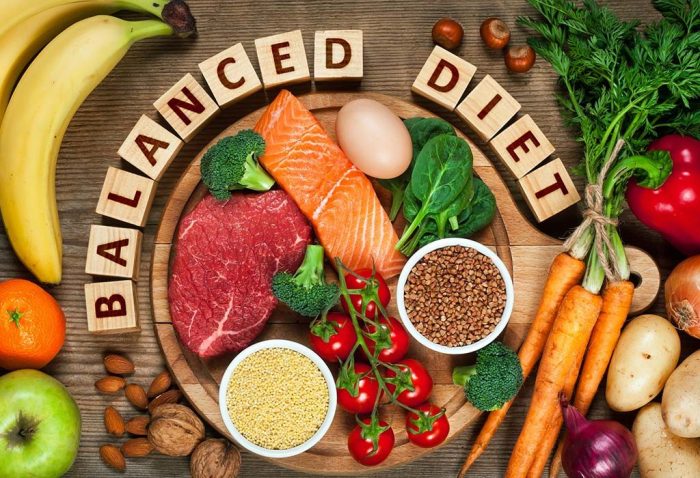
Maintaining digestive health plays a crucial role in preventing various diseases. A healthy gut can significantly impact our overall well-being and immune system function, ultimately reducing the risk of developing certain illnesses.
Link Between Gut Health and Immune System
Optimal digestive health is closely linked to the immune system’s ability to fight off infections and diseases. The gut houses a large portion of our immune cells and plays a vital role in regulating immune responses. A balanced gut flora can help strengthen the immune system, making it more effective in warding off illnesses.
Strategies for Reducing Digestive-Related Disease Risk
- Maintain a balanced diet rich in fiber, fruits, vegetables, and probiotics to support gut health.
- Stay hydrated and limit intake of processed foods, sugars, and unhealthy fats.
- Exercise regularly to improve digestion and overall health.
- Manage stress levels as chronic stress can negatively impact gut health.
- Get enough sleep to allow the body to rest and repair digestive tissues.
Diseases Prevented Through Optimal Digestive Health
Irritable Bowel Syndrome (IBS)
A common digestive disorder that can be managed through dietary changes and lifestyle modifications.
Inflammatory Bowel Disease (IBD)
Conditions like Crohn’s disease and ulcerative colitis can be influenced by gut health.
Gastrointestinal Cancers
Maintaining a healthy gut can reduce the risk of developing certain types of gastrointestinal cancers.
Pain Management
Digestive health plays a crucial role in pain perception and management. The foods we consume and the health of our digestive system can directly impact our body’s ability to manage pain effectively. Inflammatory foods, for example, can increase pain levels in the body, making it harder to cope with discomfort and inflammation.
Inflammatory Foods and Pain
- Consuming processed foods high in sugar, trans fats, and artificial additives can trigger inflammation in the body, leading to increased pain sensitivity.
- Fried foods, sugary beverages, and refined grains are common culprits that can worsen pain conditions such as arthritis, migraines, and muscle soreness.
- Reducing the intake of these inflammatory foods and opting for whole, nutrient-dense meals can help alleviate pain and support overall digestive health.
Holistic Pain Management Approaches
- Practicing mindful eating and chewing food properly can aid digestion and reduce digestive discomfort, which in turn can alleviate pain symptoms.
- Incorporating anti-inflammatory foods like turmeric, ginger, fatty fish, and leafy greens into your diet can help combat pain and promote gut health.
- Engaging in stress-reducing activities such as yoga, meditation, and deep breathing exercises can also support digestive wellness and pain management.
Foods and Practices for Pain Relief
- Probiotic-rich foods like yogurt, kefir, and sauerkraut can help maintain a healthy gut microbiome and reduce inflammation, easing pain symptoms.
- Fiber-rich foods such as whole grains, fruits, and vegetables support regular bowel movements and prevent digestive issues that may exacerbate pain conditions.
- Hydrating adequately, staying physically active, and getting enough sleep are essential practices that can improve digestion, reduce inflammation, and alleviate pain in the body.
Holistic Treatments
Holistic treatments focus on treating the whole person, including physical, mental, emotional, and spiritual aspects. When it comes to enhancing digestive health, holistic approaches can offer a comprehensive solution that goes beyond just symptom management.
Integration of Alternative Therapies
- Acupuncture: This traditional Chinese medicine practice involves inserting thin needles into specific points on the body to promote energy flow and balance, which can help alleviate digestive issues.
- Herbal Remedies: Using herbs like ginger, peppermint, and chamomile can aid digestion, reduce inflammation, and soothe the digestive system.
- Probiotics: Consuming probiotic-rich foods or supplements can help maintain a healthy balance of gut bacteria, improving digestion and overall gut health.
Addressing Root Causes
- Mind-Body Therapies: Practices like yoga, meditation, and mindfulness can reduce stress levels, which are known to impact digestive health negatively.
- Dietary Changes: Adopting an anti-inflammatory diet rich in whole foods, fiber, and nutrients can support a healthy gut microbiome and improve digestion.
- Detoxification: Cleansing the body through methods like fasting, juicing, or specific protocols can help eliminate toxins that may be contributing to digestive issues.
Promoting Overall Well-being
- Massage Therapy: Massages can help relax muscles, improve circulation, and reduce tension in the digestive organs, promoting better digestion.
- Aromatherapy: Using essential oils like peppermint, ginger, or fennel can aid digestion, reduce bloating, and calm the digestive system.
- Chiropractic Care: Spinal adjustments can enhance nerve function, which plays a crucial role in the communication between the brain and digestive system.
Mental Resilience
Maintaining good digestive health is not only essential for physical well-being but also plays a crucial role in mental resilience. The connection between the gut and brain is known as the gut-brain axis, where the health of the digestive system can directly impact our cognitive functions and emotional well-being.
Impact of Healthy Gut on Stress Levels
A healthy gut can help regulate stress levels by producing neurotransmitters like serotonin, which is often referred to as the “feel-good” hormone. When the gut is in balance, it can positively influence mood and reduce anxiety levels, ultimately enhancing mental resilience.
- Eating probiotic-rich foods like yogurt, kefir, and sauerkraut can help promote a healthy gut microbiome, which in turn can support emotional well-being.
- Practicing mindfulness techniques such as meditation and deep breathing exercises can also aid in reducing stress levels and improving mental resilience.
- Regular physical exercise has been shown to benefit both digestive health and mental well-being, making it an important habit to cultivate for overall resilience.
Foods and Habits Supporting Mental Resilience
Certain foods and lifestyle habits can directly impact mental resilience by promoting a healthy gut environment. Incorporating these into your routine can help enhance your ability to cope with stress and maintain emotional balance.
- Consuming a diet rich in fiber from fruits, vegetables, whole grains, and legumes can support gut health and overall well-being.
- Hydrating adequately and avoiding excessive caffeine and alcohol intake can contribute to a balanced gut microbiome and improved mental resilience.
- Getting an adequate amount of sleep each night is crucial for both digestive health and emotional stability, as lack of sleep can lead to increased stress levels and reduced resilience.
Closure
In conclusion, the significance of regular meals for digestive health cannot be overstated. By prioritizing a well-rounded meal plan and mindful eating habits, individuals can take proactive steps towards enhancing their digestive wellness and enjoying a vibrant life.
Essential FAQs
How does regular meals impact digestive health?
Regular meals support digestive function by providing essential nutrients and promoting optimal digestion.
What are some examples of nutrients essential for digestive health in regular meals?
Examples include fiber, probiotics, vitamins, and minerals that aid in digestion.
How can irregular eating patterns affect digestive processes?
Irregular eating patterns can disrupt digestion, leading to issues like bloating, indigestion, and nutrient deficiencies.
What are some tips for structuring regular meals to promote digestive health?
Tips include eating at regular intervals, incorporating a variety of foods, staying hydrated, and mindful eating practices.


![Government-funded vaccination programs in [your country]](https://bloodlpressure.info/wp-content/uploads/2024/07/24808-300x300.jpeg)
