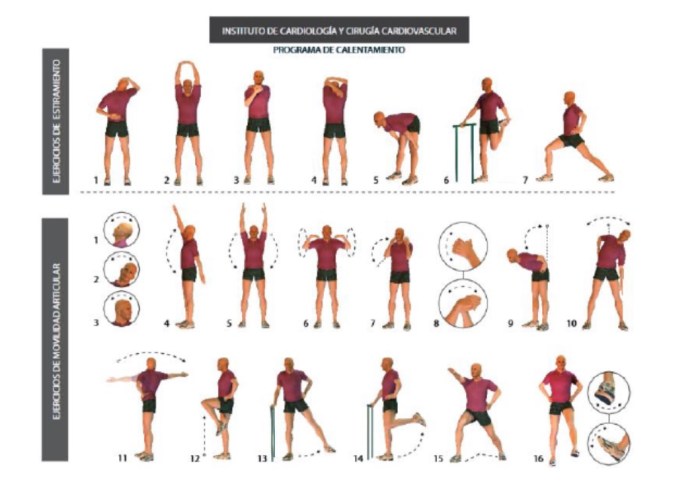
With Importance of warm-up exercises for joint flexibility at the forefront, this paragraph opens a window to an amazing start and intrigue, inviting readers to embark on a storytelling casual formal language style filled with unexpected twists and insights.
Warm-up exercises play a crucial role in preparing the body for physical activity, especially in terms of joint flexibility. By incorporating these exercises, individuals can enhance their mobility, reduce the risk of injuries, and improve overall performance. This article delves into the significance of warm-up routines dedicated to joint flexibility and how they can positively impact one’s fitness journey.
Importance of Warm-up Exercises for Joint Flexibility
Warm-up exercises play a crucial role in improving joint flexibility by preparing the muscles, ligaments, and tendons for physical activity. These exercises help increase blood flow to the joints, making them more pliable and reducing the risk of injury.
Examples of Warm-up Exercises for Joint Flexibility
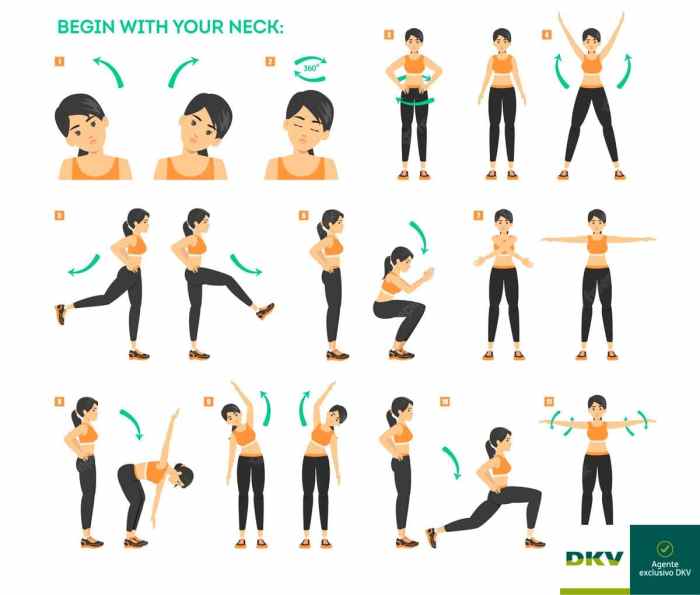
- Neck Rolls: Slowly roll your head in a circular motion to loosen up the neck muscles and improve flexibility.
- Shoulder Rotations: Rotate your shoulders in a circular motion to warm up the shoulder joints and increase flexibility.
- Leg Swings: Swing your legs back and forth to improve hip flexibility and warm up the lower body.
- Wrist Circles: Rotate your wrists in circular motions to increase flexibility in the wrist joints.
Preventing Joint Injuries with Warm-up Exercises
Incorporating warm-up exercises into your routine can prevent joint injuries during physical activities by preparing the joints for movement. Proper warm-up helps reduce muscle stiffness and increases the elasticity of the connective tissues surrounding the joints, making them less prone to injury.
Connection Between Warm-up Exercises and Increased Range of Motion
Warm-up exercises are essential for increasing the range of motion in the joints by enhancing flexibility. When you perform dynamic stretches and movements during a warm-up, you gradually increase the flexibility of the muscles and joints, allowing for a greater range of motion during physical activities.
Wellness Programs
Wellness programs are designed to promote overall health and well-being by addressing various aspects of physical, mental, and emotional wellness. These programs typically include a combination of activities, education, and resources to help individuals improve their health and quality of life.
Components of a Comprehensive Wellness Program
A comprehensive wellness program may include the following components:
- Physical activity and exercise routines tailored to improve joint flexibility and overall mobility.
- Nutritional guidance and meal planning to support a healthy diet.
- Mental health resources such as stress management techniques and counseling services.
- Health screenings and assessments to monitor progress and identify areas for improvement.
Benefits of Participating in Wellness Programs
Participating in wellness programs can have numerous benefits for overall health, including:
- Improved joint flexibility and reduced risk of injuries.
- Increased energy levels and improved mood.
- Weight management and better cardiovascular health.
- Enhanced stress management and mental well-being.
Successful Wellness Programs for Joint Flexibility Improvement
There are several successful wellness programs that focus specifically on improving joint flexibility, such as:
- Yoga and Pilates classes that target flexibility and mobility through specific poses and movements.
- Stretching routines designed to increase range of motion and reduce stiffness in the joints.
- Functional fitness programs that incorporate exercises to strengthen muscles supporting the joints.
Holistic Approach to Health and Well-being
Wellness programs promote a holistic approach to health by addressing the interconnectedness of physical, mental, and emotional well-being. By incorporating various components such as exercise, nutrition, and stress management, these programs aim to improve overall health and quality of life in a comprehensive manner.
Herbal Remedies
When it comes to supporting joint health and flexibility, herbal remedies have been used for centuries to alleviate discomfort and improve mobility. These natural solutions can offer a gentle yet effective approach to maintaining joint function.
Examples of Beneficial Herbs
- Turmeric: Known for its anti-inflammatory properties, turmeric can help reduce joint pain and stiffness.
- Ginger: Contains gingerol, which has been shown to reduce inflammation and improve joint function.
- Boswellia: Helps decrease inflammation in the joints and may aid in improving flexibility.
Consulting with Healthcare Professionals
Before incorporating herbal remedies into your wellness routine, it is essential to consult with a healthcare professional. They can provide guidance on the proper dosage, potential interactions with medications, and ensure that the herbs are safe for you to use.
Complementing Warm-up Exercises
Herbal remedies can complement warm-up exercises by supporting joint flexibility from the inside out. While warm-up exercises prepare the muscles and joints for physical activity, herbal remedies can provide additional support by reducing inflammation, promoting circulation, and easing discomfort.
Skin Health
Regular exercise, including warm-up routines, plays a crucial role in maintaining not only joint flexibility but also skin health. The relationship between joint flexibility and skin health is interconnected, as both are influenced by factors like circulation, hydration, and overall well-being.
Benefits of Exercise for Healthy Skin
Regular physical activity, such as warm-up exercises, promotes blood circulation, which helps deliver essential nutrients and oxygen to the skin cells. This improved circulation can result in a healthy complexion and overall skin vitality. Additionally, exercise can help reduce stress levels, which can have a positive impact on skin conditions like acne and eczema.
- Engaging in activities that promote joint flexibility can enhance skin elasticity and reduce the appearance of wrinkles.
- Regular exercise can stimulate the production of collagen, a protein essential for skin structure and firmness.
- Increased blood flow from exercise can promote a natural glow and improve skin tone.
Skincare Practices for Supporting Joint Flexibility
Incorporating skincare practices that support joint flexibility can further enhance the benefits of warm-up exercises. Hydrating the skin through moisturizing and drinking an adequate amount of water can improve joint mobility by keeping the connective tissues lubricated. Additionally, using sunscreen to protect the skin from harmful UV rays during outdoor activities can prevent premature aging and maintain skin health.
- Include foods rich in antioxidants, such as fruits and vegetables, in your diet to support joint health and skin repair.
- Limit consumption of processed foods and sugars, as they can contribute to inflammation that may affect both joint flexibility and skin health.
- Ensure proper hydration by drinking enough water throughout the day to support joint lubrication and skin hydration.
Bone Density
When it comes to bone health, joint flexibility plays a crucial role in maintaining bone density. The flexibility of our joints can directly impact the strength and density of our bones, making it essential to incorporate exercises that improve both aspects.
Correlation between Joint Flexibility and Bone Density
Research has shown that there is a strong correlation between joint flexibility and bone density. When our joints are flexible, it allows for a wider range of motion during physical activities, which in turn helps stimulate bone growth and maintenance.
Weight-Bearing Exercises for Bone Density
- Incorporating weight-bearing exercises during warm-up routines, such as squats, lunges, or jumping jacks, can help maintain bone density by putting stress on the bones and promoting bone growth.
- Weight-bearing exercises not only improve joint flexibility but also contribute to overall bone health, making them essential for a well-rounded fitness routine.
Impact of Joint Flexibility on Bone Health
- Improving joint flexibility through regular stretching and mobility exercises can positively impact bone health by reducing the risk of fractures and osteoporosis.
- Flexible joints help distribute impact forces more evenly throughout the body, reducing the strain on bones and decreasing the likelihood of injuries.
Exercises for Joint Flexibility and Bone Density
- Yoga poses like Downward Dog, Warrior II, and Triangle Pose are great for improving joint flexibility and promoting bone density.
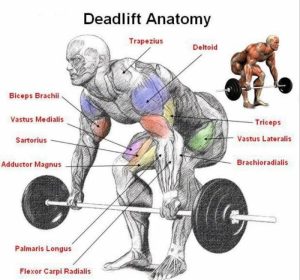
- Strength training exercises like deadlifts, squats, and lunges not only enhance joint flexibility but also help build bone strength and density.
Muscle Mass
Joint flexibility plays a crucial role in preserving muscle mass as it allows for a greater range of motion during exercises and daily activities. By maintaining flexibility in the joints, individuals can perform exercises that target different muscle groups effectively, leading to improved muscle mass and strength.
Importance of Warm-up Exercises
Warm-up exercises are essential in preventing muscle stiffness and loss of muscle mass. Incorporating dynamic stretches and mobility drills before a workout can help increase blood flow to the muscles, improving their flexibility and reducing the risk of injuries. By preparing the muscles and joints through warm-up exercises, individuals can perform strength training exercises more efficiently, leading to better muscle development.
- Examples of strength training exercises that can improve joint flexibility and muscle mass include squats, lunges, deadlifts, bench presses, and rows. These compound movements engage multiple muscle groups simultaneously, promoting overall muscle growth and strength.
Role of Muscle Mass in Supporting Joint Stability
Muscle mass plays a crucial role in supporting joint stability and flexibility. Strong muscles surrounding the joints help to stabilize them during movement, reducing the risk of injuries and supporting proper joint alignment. Additionally, well-developed muscles provide support to the bones and joints, improving overall joint function and reducing the likelihood of pain or discomfort.
Dental Care
Maintaining good joint flexibility can have a significant impact on dental health. The jaw joint, also known as the temporomandibular joint (TMJ), plays a crucial role in various dental functions such as chewing, speaking, and swallowing. When the jaw joint is flexible and healthy, it can help prevent issues like jaw pain, teeth grinding, and even headaches associated with dental problems.
Relaxation Techniques in Warm-up Exercises
Incorporating relaxation techniques in warm-up exercises can benefit dental care by reducing tension in the jaw muscles. Techniques such as deep breathing, gentle stretching, and mindfulness can help relax the jaw muscles and alleviate stress-related jaw issues. By promoting relaxation, warm-up exercises can contribute to better overall dental health and improved joint flexibility.
Maintaining Good Oral Hygiene Practices
To support joint flexibility and overall dental health, it is essential to maintain good oral hygiene practices. This includes brushing and flossing regularly, using mouthwash, and visiting the dentist for routine check-ups. Keeping the teeth and gums healthy can prevent oral health issues that may impact jaw flexibility and lead to discomfort or pain in the jaw joint.
Connection Between Jaw Flexibility and Overall Joint Health
The flexibility of the jaw joint is closely connected to the overall health of the joints in the body. Just like other joints, the jaw joint relies on flexibility and proper movement for optimal function. By maintaining jaw flexibility through exercises and relaxation techniques, individuals can support overall joint health and reduce the risk of jaw-related issues that may affect dental health.
Eye Health
Regular warm-up exercises for joint flexibility play a crucial role in maintaining overall eye health. The eyes are controlled by a complex system of muscles, and these muscles can benefit from exercises that promote joint mobility and flexibility.Exercises that focus on eye movements can be integrated into your warm-up routine to improve joint flexibility.
Simple exercises like eye rotations, focusing on distant objects, and blinking rapidly can help reduce eye strain while also enhancing joint flexibility in the surrounding muscles.
Reducing Eye Strain and Enhancing Joint Flexibility
- Practice eye relaxation techniques by closing your eyes and gently massaging the eyelids to reduce strain and improve flexibility.
- Include eye exercises such as tracing shapes with your eyes or following a pen with your gaze to enhance joint mobility.
- Ensure proper lighting and reduce screen time to prevent eye fatigue and promote healthy joint movement.
- Regularly take breaks to look away from screens and focus on objects at varying distances to maintain eye health and joint flexibility.
Mental Clarity: Importance Of Warm-up Exercises For Joint Flexibility
Warm-up exercises for joint flexibility not only benefit the physical body but also play a significant role in enhancing mental clarity and cognitive function. The connection between physical health and mental well-being is well established, and incorporating warm-up routines can have a positive impact on overall mental health.
Enhancing Cognitive Function
Regular physical activity, including warm-up exercises, has been shown to improve cognitive function by increasing blood flow to the brain and promoting the release of endorphins. These feel-good chemicals help reduce stress and anxiety, leading to improved focus, concentration, and mental clarity.
- Engaging in dynamic stretches and joint mobility exercises can help stimulate the brain and prepare it for mental tasks.
- Practicing mindful breathing techniques during warm-ups can calm the mind and improve mental clarity.
- Incorporating balance exercises can enhance cognitive function by challenging the brain and improving coordination.
Mental Health Benefits
Improved joint flexibility resulting from regular warm-up exercises can have a positive impact on mental health by reducing the risk of injuries and enhancing overall well-being. When the body feels good, the mind follows suit, leading to reduced stress levels and a more positive outlook on life.
By taking care of our physical health through warm-up exercises, we can also nurture our mental health and achieve a state of balance and clarity.
Digestive Health
Joint flexibility plays a crucial role in supporting digestive health. When our joints are flexible, it allows for better movement and circulation throughout the body, including the digestive system. This, in turn, can improve digestion and overall gut health.
Impact of Joint Flexibility on Digestive Health
- Flexible joints help to promote better posture, which can aid in proper digestion by preventing issues like acid reflux or indigestion.
- Improved joint flexibility can also reduce bloating and gas by allowing for smoother movement of food through the digestive tract.
- Healthy joints support overall mobility, which can encourage individuals to engage in physical activities that promote better digestion.
Warm-Up Exercises for Healthy Digestion
- Include gentle twists and side bends in your warm-up routine to stimulate the abdominal organs and support digestion.
- Incorporate movements like knee-to-chest stretches to help relieve tension in the lower back, which can indirectly benefit digestion.
- Practice deep breathing exercises to relax the body and reduce stress, which can have a positive impact on digestion.
Connection Between Stress Reduction, Joint Flexibility, and Digestion
- Reducing stress through warm-up exercises can help improve joint flexibility and promote better digestion.
- Stress can negatively impact digestion by slowing down the digestive process, leading to issues like constipation or diarrhea.
- By incorporating stress-relieving movements into your warm-up routine, you can create a positive environment for optimal digestion.
Detox Process
Engaging in warm-up exercises can play a crucial role in supporting the body’s natural detox process. By incorporating movements that enhance joint flexibility, individuals can promote lymphatic drainage and aid in the elimination of toxins from the body.
Role of Joint Flexibility in Detoxification
Improved joint flexibility allows for better circulation of lymphatic fluid, which helps in flushing out toxins from the body. This process is essential for maintaining overall health and well-being.
Movements Supporting Detoxification
- Twisting poses: Movements that involve twisting the body, such as seated spinal twists or standing twists, can help stimulate the digestive system and promote detoxification.
- Forward bends: Poses like forward folds can compress the abdomen and massage the internal organs, supporting detox processes.
- Inversion poses: Positions where the head is below the heart, like shoulder stands or headstands, can aid in lymphatic drainage and detoxification.
Enhanced Toxin Elimination with Improved Joint Flexibility
When the joints are more flexible, the body can move more freely and efficiently, allowing for better circulation and the removal of waste and toxins. This can lead to a cleaner and healthier internal environment, supporting overall well-being.
Blood Pressure
Regular warm-up exercises play a crucial role in maintaining joint flexibility and overall health. When it comes to blood pressure regulation, there is a significant relationship between joint flexibility and maintaining healthy blood pressure levels. By incorporating warm-up routines into your exercise regimen, you can effectively support your cardiovascular health and help manage blood pressure.
Breathing Techniques for Blood Pressure Management
- Deep Breathing: Taking slow, deep breaths can help relax the body and lower blood pressure. Incorporating deep breathing exercises into your warm-up routine can have a positive impact on blood pressure regulation.
- Diaphragmatic Breathing: This technique involves breathing deeply into your diaphragm, which can help reduce stress and promote relaxation, ultimately supporting healthy blood pressure levels.
- Alternate Nostril Breathing: This breathing technique can help balance the autonomic nervous system and reduce blood pressure by promoting relaxation and reducing stress levels.
Cardiovascular Benefits of Joint Flexibility Exercises
- Improved Circulation: Joint flexibility exercises can enhance blood flow throughout the body, supporting heart health and aiding in the regulation of blood pressure.
- Reduced Stress: Regular warm-up routines and joint flexibility exercises can help reduce stress levels, which in turn can positively impact blood pressure regulation.
- Enhanced Endurance: By improving joint flexibility and cardiovascular health, you can increase your overall endurance and stamina, contributing to better blood pressure management.
Heart Rate
Regular warm-up exercises play a crucial role in maintaining joint flexibility, but their benefits extend beyond just the physical aspect. Let’s delve into how joint flexibility impacts heart rate variability and overall cardiovascular health.
Impact of Joint Flexibility on Heart Rate Variability
Maintaining good joint flexibility contributes to better heart rate variability, which is the variation in time intervals between heartbeats. This variability is a marker of cardiovascular health, with higher variability indicating a healthier heart.
- Improved joint flexibility can help reduce stress on the cardiovascular system and promote better heart rate regulation.
- Enhanced flexibility allows for smoother and more efficient movement, leading to reduced strain on the heart during physical activity.
- By incorporating warm-up exercises that focus on joint mobility, individuals can support heart rate variability and improve overall heart health.
Exercises for Joint Flexibility and Heart Rate Regulation
Certain exercises are particularly effective in increasing joint flexibility while also supporting heart rate regulation. Examples include:
- Dynamic stretching routines that engage multiple muscle groups and joints, such as arm circles, leg swings, and torso twists.
- Yoga poses that promote flexibility, balance, and relaxation, such as downward dog, cat-cow stretch, and spinal twists.
- Aerobic activities like brisk walking, cycling, or swimming that elevate heart rate gradually while promoting joint mobility.
Connection between Heart Rate, Joint Flexibility, and Fitness Levels
Heart rate, joint flexibility, and overall fitness levels are closely intertwined. Here’s how they connect:
- Regular warm-up exercises that enhance joint flexibility contribute to better heart rate regulation, ultimately improving cardiovascular fitness.
- Individuals with good joint flexibility are able to engage in physical activities more effectively, leading to better cardiovascular endurance and overall fitness levels.
- Maintaining optimal heart rate variability through joint flexibility supports heart health and enhances overall fitness performance.
Health Screenings
Regular health screenings play a crucial role in assessing joint flexibility and overall joint health. These screenings help in identifying any potential issues early on, allowing for timely intervention and preventive care to maintain joint flexibility.
Importance of Health Screenings for Joint Flexibility
- Physical Examination: A thorough physical examination by a healthcare professional can assess joint range of motion, strength, and any signs of inflammation or stiffness.
- X-rays: X-rays can provide detailed images of the bones and joints, helping to identify any structural abnormalities or degenerative changes.
- MRI or CT Scans: These imaging tests can offer more in-depth views of the soft tissues, ligaments, and cartilage surrounding the joints, aiding in the diagnosis of conditions like arthritis or injuries.
- Blood Tests: Certain blood tests can detect markers of inflammation or autoimmune conditions that may impact joint health, such as rheumatoid arthritis.
Vaccination Programs
Vaccination programs play a crucial role in supporting joint flexibility by helping to prevent certain diseases that can impact joint health. By receiving vaccines, individuals can reduce the risk of infections and illnesses that may lead to joint stiffness, pain, or inflammation.
Benefits of Vaccines for Joint Flexibility
- Vaccines such as the flu shot can help prevent respiratory infections that may exacerbate joint issues.
- Tetanus vaccines protect against bacterial infections that can cause muscle stiffness and joint pain.
- HPV vaccines can prevent certain viral infections that may lead to joint inflammation and discomfort.
Healthy Habits
Developing healthy habits is crucial for enhancing joint flexibility and overall well-being. Consistency in maintaining these routines is key to reaping the long-term benefits they offer for joint health.
Tips for Cultivating Healthy Habits for Joint Flexibility
- Regular Exercise: Incorporate stretching exercises and low-impact activities like yoga or swimming to improve joint flexibility.
- Balanced Diet: Consume foods rich in antioxidants, omega-3 fatty acids, and vitamin D to support joint health.
- Stay Hydrated: Drink an adequate amount of water daily to keep joints lubricated and reduce stiffness.
Importance of Consistency in Healthy Routines
Consistently practicing healthy habits such as exercising, maintaining a balanced diet, and staying hydrated is essential for keeping joints flexible and mobile. It helps prevent injuries and promotes overall joint health.
Daily Habits Impacting Joint Flexibility
- Proper Posture: Maintaining good posture while sitting, standing, and walking can reduce strain on joints and improve flexibility.
- Regular Movement: Avoid prolonged periods of inactivity by incorporating short breaks to stretch and move throughout the day.
- Warm-Up Before Exercise: Always warm up before engaging in physical activities to prepare joints and prevent injuries.
Long-Term Benefits of Healthy Habits for Joint Flexibility
- Reduced Risk of Joint Pain: Healthy habits can help prevent joint pain and stiffness, improving overall mobility and quality of life.
- Enhanced Range of Motion: Consistent practice of healthy routines can increase joint flexibility and range of motion over time.
- Improved Joint Health: By maintaining healthy habits, you can support the health of your joints and reduce the risk of age-related issues such as arthritis.
Balanced Hormones
Regular exercise, including warm-up exercises, plays a crucial role in maintaining hormonal balance in the body. Hormones are chemical messengers that control various bodily functions, including metabolism, growth, and mood regulation. Joint flexibility is closely linked to hormone regulation, and incorporating warm-up exercises into your routine can help support this balance.
Exercises for Hormonal Balance and Joint Flexibility
- Yoga: Yoga poses such as downward dog, cobra pose, and child’s pose can help improve joint flexibility while also promoting relaxation and balancing hormones like cortisol.
- Pilates: Pilates exercises focus on strengthening the core and improving overall flexibility, which can positively impact hormone levels like insulin and growth hormone.
- Dancing: Engaging in dance routines can enhance joint mobility and coordination, leading to the release of endorphins that help regulate stress hormones like adrenaline and cortisol.
- Stretching: Incorporating dynamic stretches into your warm-up routine can improve blood flow to the muscles and joints, aiding in hormone regulation and overall well-being.
Health Coaching
Health coaching plays a crucial role in promoting joint flexibility by providing personalized guidance and support to individuals looking to improve their overall joint health.
Role of Health Coaching in Promoting Joint Flexibility
- Health coaches assess the individual’s current joint health and flexibility levels to identify areas for improvement.
- They work with clients to create customized plans that include specific exercises, stretches, and lifestyle modifications to enhance joint flexibility.
- Health coaches offer ongoing support, motivation, and accountability to help individuals stay committed to their joint flexibility goals.
- They educate clients on the importance of proper warm-up exercises, nutrition, hydration, and rest for maintaining optimal joint health.
Strategies Used by Health Coaches to Support Clients
- Setting realistic and achievable goals for improving joint flexibility.
- Tracking progress and adjusting the plan as needed to ensure continuous improvement.
- Providing education on proper techniques for stretching, strengthening, and maintaining joint health.
- Offering emotional support and encouragement to help clients stay motivated and focused on their joint flexibility journey.
Benefits of Working with a Health Coach for Joint Health
- Individualized support and guidance tailored to the client’s specific needs and goals.
- Improved motivation and accountability to stay consistent with joint flexibility exercises and lifestyle changes.
- Enhanced knowledge and understanding of how to maintain optimal joint health for the long term.
- Greater success in achieving and sustaining improved joint flexibility and overall well-being.
Fitness Goals
Setting specific fitness goals can greatly enhance joint flexibility by providing a clear target to work towards. When goals are defined, individuals are more likely to stay motivated and accountable in their fitness journey, leading to improved overall health and joint function.
Importance of Achievable Goals
Defining achievable fitness goals is crucial for improving overall fitness and joint health. By setting realistic targets, individuals can track their progress, stay committed, and make necessary adjustments to their workout routines. Achievable goals also prevent burnout and injury, ensuring a safe and effective fitness journey.
- Increasing flexibility in targeted muscle groups by a certain percentage within a specific timeframe.
- Improving range of motion in key joints, such as hips, shoulders, and spine, through regular stretching exercises.
- Enhancing balance and stability by incorporating exercises that challenge coordination and proprioception.
- Reducing stiffness and discomfort in joints by implementing a daily mobility routine.
Motivation and accountability play a significant role in achieving fitness goals related to joint flexibility, as they keep individuals focused and consistent in their efforts.
Diet Planning
Proper nutrition plays a crucial role in supporting joint flexibility and overall musculoskeletal health. A balanced diet can help reduce inflammation, provide essential nutrients, and support optimal joint function. Meal planning is key to ensuring you are consuming foods that promote joint flexibility and overall well-being.
Nutrient-Rich Foods for Joint Health
- Eat foods rich in omega-3 fatty acids such as salmon, walnuts, and chia seeds. These help reduce inflammation and support joint health.
- Include foods high in antioxidants like berries, spinach, and kale to protect joint tissues from damage caused by free radicals.
- Incorporate sources of vitamin C, such as oranges, bell peppers, and strawberries, to help build collagen and maintain joint health.
- Ensure an adequate intake of calcium and vitamin D through dairy products, leafy greens, and fortified foods to support bone health and reduce the risk of joint issues.
Importance of Meal Planning
Meal planning can help you make healthier choices and ensure that your diet is well-rounded and supportive of joint flexibility. By preparing meals in advance, you can focus on incorporating nutrient-dense foods that promote joint health and reduce inflammation. Planning your meals also helps you stay on track with your dietary goals and maintain optimal joint function.
Health Supplements
Health supplements play a crucial role in improving joint flexibility by providing essential nutrients that support overall joint health.
Potential Benefits of Health Supplements for Joint Flexibility
- Reduced inflammation: Supplements like Omega-3 fatty acids and turmeric can help reduce inflammation in joints, improving flexibility.
- Enhanced cartilage health: Glucosamine and chondroitin supplements can support cartilage health, reducing stiffness and increasing flexibility.
- Improved collagen production: Collagen supplements can help strengthen connective tissues and improve joint flexibility.
Specific Supplements for Joint Health
- Omega-3 Fatty Acids:Found in fish oil, these can reduce inflammation and support joint flexibility.
- Glucosamine and Chondroitin:These supplements can improve cartilage health and reduce stiffness in joints.
- Collagen:Supports connective tissues and enhances joint flexibility.
Safely Incorporating Supplements for Joint Flexibility, Importance of warm-up exercises for joint flexibility
It is important to consult with a healthcare provider before adding any supplements to your routine to ensure they are safe and appropriate for your individual needs. Start with low doses and monitor how your body reacts to the supplements.
Consulting with a Healthcare Provider
Before taking any health supplements for joint flexibility, it is crucial to seek guidance from a healthcare provider. They can provide personalized recommendations based on your health status, existing medications, and any underlying conditions to ensure the supplements are safe and effective for you.
Breathing Techniques
Proper breathing techniques play a crucial role in enhancing joint flexibility and overall joint health. By incorporating breath awareness into warm-up routines, individuals can improve their posture and increase their range of motion in the joints.
Benefits of Breath Awareness
- Improves oxygen flow to the muscles, enhancing their flexibility and reducing the risk of injury.
- Helps release tension and stress in the body, allowing for smoother movements and better joint mobility.
- Promotes relaxation, which can lead to better focus and coordination during physical activities.
Breathing Exercises for Joint Flexibility
- Diaphragmatic Breathing: Inhale deeply through your nose, allowing your belly to expand. Exhale slowly through your mouth, drawing your belly in towards your spine. Repeat for several breaths.
- Rib Cage Breathing: Inhale deeply, expanding your rib cage to the sides and back. Exhale fully, bringing your ribs back in. Repeat to increase flexibility in the rib cage and spine.
- Alternate Nostril Breathing: Close one nostril with your thumb and inhale deeply through the other nostril. Close the other nostril with your finger, exhale through the first nostril. Repeat to balance energy and increase focus.
Mindful breathing techniques can help individuals connect with their bodies, improve their posture, and achieve greater joint flexibility over time.
Disease Prevention
Maintaining joint flexibility is crucial for overall disease prevention as it plays a significant role in keeping the body agile, mobile, and resilient. By engaging in regular warm-up exercises and physical activity, individuals can enhance their joint flexibility, which in turn can contribute to reducing the risk of various diseases.
Impact of Physical Activity on Disease Prevention
Regular physical activity, including warm-up exercises, can help reduce the risk of chronic conditions such as heart disease, diabetes, and obesity. By improving joint flexibility through these activities, individuals can enhance their overall health and well-being, making them less susceptible to these diseases.
- Reduced risk of cardiovascular diseases: Engaging in physical activity can strengthen the heart muscle, improve circulation, and lower blood pressure, reducing the risk of heart disease and stroke.
- Prevention of diabetes: Maintaining joint flexibility through regular exercise can help control blood sugar levels and improve insulin sensitivity, reducing the risk of developing type 2 diabetes.
- Management of obesity: Physical activity and warm-up exercises can help burn calories, build muscle mass, and improve metabolism, contributing to weight management and reducing the risk of obesity-related diseases.
Holistic Benefits of Focusing on Joint Health
Improving joint flexibility not only aids in preventing specific diseases but also offers holistic benefits for overall health and well-being. By prioritizing joint health, individuals can enhance their physical, mental, and emotional resilience, leading to a healthier and more fulfilling life.
- Enhanced mobility and functionality: Flexible joints support better range of motion, coordination, and balance, enabling individuals to perform daily activities with ease and reduce the risk of injuries.
- Improved mental clarity and emotional well-being: Physical activity and joint flexibility exercises release endorphins, reducing stress, anxiety, and depression, promoting mental clarity and emotional stability.
- Boosted immune system: Regular exercise and joint flexibility maintenance can strengthen the immune system, making the body more resilient to infections and illnesses.
Pain Management
Joint flexibility plays a crucial role in effective pain management, especially when it comes to alleviating joint pain and stiffness. Warm-up exercises are essential in this process as they help improve blood circulation, loosen up muscles, and enhance the range of motion in joints.
Benefits of Warm-up Exercises for Pain Relief
- Dynamic stretches like arm circles, leg swings, and torso twists can help reduce joint pain by increasing flexibility and lubricating the joints.
- Gentle movements such as shoulder rolls, neck stretches, and ankle circles can alleviate stiffness and improve mobility in specific joints.
- Yoga poses like child’s pose, downward dog, and cat-cow can enhance flexibility and relieve tension in the muscles surrounding the joints.
By incorporating these stretches and movements into your warm-up routine, you can effectively manage pain and discomfort in your joints.
Comprehensive Pain Management Approach
- Integrating joint flexibility exercises into your daily routine can complement other pain management strategies such as medication, physical therapy, and lifestyle modifications.
- A holistic approach that addresses the root cause of joint pain through a combination of warm-up exercises, proper nutrition, adequate rest, and stress management is key to long-term pain relief.
- Regular physical activity and stretching not only promote joint flexibility but also strengthen the muscles supporting the joints, reducing the risk of pain and injury.
Holistic Treatments
Holistic treatments focus on treating the entire individual, including physical, mental, emotional, and spiritual aspects to promote overall well-being.
Integration of Alternative Therapies
- Acupuncture: This traditional Chinese medicine practice involves inserting thin needles into specific points on the body to help relieve pain and improve joint flexibility.
- Yoga: By incorporating gentle stretches, poses, and breathing exercises, yoga can help enhance flexibility, strength, and balance, supporting joint health.
Examples of Holistic Treatments
- Massage Therapy: Manipulating soft tissues through massage can reduce muscle tension, improve circulation, and alleviate joint stiffness.
- Herbal Remedies: Certain herbs and supplements like turmeric, ginger, and boswellia have anti-inflammatory properties that can support joint health.
Benefits of Combining Traditional Medicine with Holistic Approaches
- Comprehensive Care: Integrating traditional medicine with holistic treatments can provide a more well-rounded approach to managing joint flexibility and overall health.
- Personalized Treatment: By combining different modalities, individuals can receive individualized care that addresses their unique needs and preferences.
Mental Resilience
Joint flexibility plays a crucial role in mental resilience. When our joints are flexible and healthy, it allows for smoother movements and reduces the risk of injuries. This physical well-being contributes to an overall sense of well-being, positively impacting our mental resilience.
Connection Between Joint Flexibility and Mental Resilience
Maintaining good joint flexibility through regular warm-up exercises can help release tension in the body, promoting relaxation and reducing stress levels. This, in turn, enhances our ability to cope with challenges and bounce back from setbacks, leading to improved mental resilience.
- Practicing mindfulness exercises such as yoga or tai chi can not only improve joint flexibility but also enhance mental resilience by promoting focus, clarity, and emotional stability.
- Deep breathing techniques are beneficial for both joint health and mental resilience. By increasing oxygen flow to the body, these techniques help in managing stress and anxiety, ultimately improving our ability to handle difficult situations.
- Engaging in activities like meditation or progressive muscle relaxation can support joint flexibility while also fostering a resilient mindset by promoting self-awareness and emotional regulation.
Relationship Between Physical Health, Joint Flexibility, and Coping with Stress
Physical health, including joint flexibility, is closely linked to our ability to cope with stress and challenges. When our bodies are in good condition, we are better equipped to handle the demands of daily life, both physically and mentally. By maintaining optimal joint health, we can enhance our overall well-being, which directly impacts our mental resilience in the face of adversity.
Ending Remarks
In conclusion, prioritizing warm-up exercises for joint flexibility is key to maintaining optimal physical health and performance. By understanding the importance of these exercises, individuals can take proactive steps to enhance their joint mobility, prevent injuries, and improve overall well-being.
Embracing a routine that includes targeted warm-up exercises can truly make a difference in one’s fitness journey.
Questions and Answers
Are warm-up exercises essential for joint flexibility?
Yes, warm-up exercises are crucial for preparing the joints and muscles, enhancing flexibility, and reducing the risk of injuries during physical activities.
How can warm-up exercises prevent joint injuries?
Warm-up exercises help increase blood flow to the muscles and joints, making them more pliable and less prone to strains or sprains during movements.
Can warm-up exercises alone improve joint flexibility?
While warm-up exercises are beneficial, incorporating a variety of exercises and stretches targeting joint flexibility is ideal for long-term improvement.


![Government-funded vaccination programs in [your country]](https://bloodlpressure.info/wp-content/uploads/2024/07/24808-300x300.jpeg)
