
Effective stretches for hip joint flexibility: As we delve into the realm of hip flexibility, discover how simple stretches can make a significant impact on your overall mobility and well-being. From daily activities to athletic performance, these stretches have the power to enhance your quality of life.
This guide will walk you through various stretches, their benefits, and how to incorporate them into your daily routine for maximum effectiveness.
Introduction to Hip Joint Flexibility
Having good hip joint flexibility is crucial for overall mobility and preventing injuries. Flexible hips can improve posture, reduce lower back pain, and enhance athletic performance.
Effective stretches play a key role in enhancing hip joint flexibility. By regularly stretching and strengthening the muscles around the hips, you can increase range of motion and reduce the risk of strains or injuries.
Benefits of Improved Hip Flexibility
- Enhanced athletic performance in activities like running, cycling, and dancing
- Reduced risk of lower back pain and hip injuries
- Improved balance and stability in daily movements
- Increased overall flexibility and range of motion
Daily Activities Benefiting from Hip Flexibility
- Tying shoelaces without straining
- Squatting to pick up objects from the floor
- Getting in and out of cars or chairs with ease
- Walking or running without feeling tightness or discomfort
Common Stretches for Hip Joint Flexibility
Stretching is essential for improving hip joint flexibility and preventing tightness and discomfort. Here are some popular stretches that target different muscles around the hip joint.
Hip Flexor Stretches
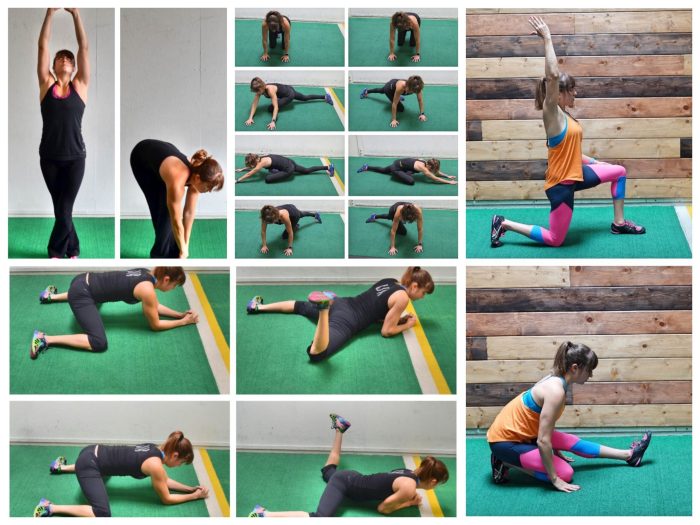
Hip flexor stretches focus on the muscles at the front of the hip and thigh, including the iliopsoas and rectus femoris. To perform a hip flexor stretch, kneel on one knee with the other foot flat on the floor in front of you.
Gently push your hips forward while keeping your back straight until you feel a stretch in the front of your hip.
Pigeon Pose
Pigeon pose is a yoga stretch that targets the glutes and outer hips. Start in a plank position and bring one knee towards the same-side wrist. Extend the other leg straight back and lower your hips towards the floor. Hold the stretch and then switch sides to target both hips evenly.
Butterfly Stretch
The butterfly stretch focuses on the inner thighs and hip flexibility. Sit on the floor with the soles of your feet together and knees out to the sides. Gently press your knees towards the floor using your hands while keeping your back straight.
This stretch helps open up the hips and improve flexibility in the groin area.
Benefits of Improved Hip Flexibility
Enhancing hip flexibility can bring about a multitude of benefits that have a positive impact on daily life and physical performance.
Improved Posture and Reduced Lower Back Pain
- Increased hip flexibility can help align the pelvis properly, leading to better posture and reduced strain on the lower back.
- By loosening tight hip muscles, individuals may experience relief from chronic lower back pain caused by muscle imbalances.
- Stretching the hip flexors and external rotators can contribute to a more upright and balanced stance.
Enhanced Athletic Performance and Range of Motion
- Improved hip flexibility allows for a greater range of motion, essential for activities like running, jumping, and weightlifting.
- Athletes can benefit from increased hip mobility, enabling them to perform dynamic movements with efficiency and reduced risk of injury.
- Flexible hips are crucial for optimal performance in sports that require agility, speed, and explosive power.
Improved Daily Activities
- Enhanced hip flexibility can make everyday tasks like walking, bending, and sitting more comfortable and effortless.
- Individuals with flexible hips may find it easier to perform activities that involve squatting or kneeling without discomfort.
- Flexibility in the hips contributes to overall mobility and coordination, enhancing quality of life and independence.
Integrating Stretches into Daily Routine
Stretching your hip joints daily can greatly improve flexibility and reduce the risk of injuries. Here are some tips on how to incorporate hip stretches into your daily routine effectively.
Best Times of the Day to Perform Hip Stretches
Performing hip stretches in the morning can help wake up your muscles and prepare your body for the day ahead. Additionally, incorporating hip stretches into your bedtime routine can help relax your muscles and improve flexibility while you sleep.
Gradually Increasing Intensity and Duration
Start with gentle hip stretches and gradually increase the intensity and duration over time. Listen to your body and avoid pushing yourself too hard to prevent injuries. As your flexibility improves, you can try more advanced hip stretches to continue challenging your muscles.
Wellness Programs and Hip Flexibility
Wellness programs play a crucial role in promoting overall health and can incorporate specific exercises to improve hip flexibility for employees or participants.
Role of Holistic Wellness in Joint Health
When it comes to joint health, including the hips, holistic wellness programs focus on a combination of physical activity, nutrition, stress management, and overall well-being. By addressing all these aspects, individuals can experience improved joint mobility and reduced risk of injuries.
Success Stories and Case Studies
- One success story involves a corporate wellness program that implemented daily hip flexibility exercises for employees. Over time, participants reported decreased hip pain, improved range of motion, and increased productivity at work.
- In a case study conducted on a group of seniors participating in a community wellness program, those who regularly practiced hip stretches showed significant improvements in balance, stability, and overall joint function.
- Another example is a fitness center that integrated hip flexibility routines into their group exercise classes. Members who consistently attended these classes reported feeling more agile, experiencing fewer aches and pains, and enjoying better posture.
Herbal Remedies for Joint Health
When it comes to supporting joint health and flexibility, traditional herbal remedies have been used for centuries to alleviate discomfort and improve mobility. In the case of hip joint flexibility, certain herbs like turmeric, ginger, and boswellia are known for their anti-inflammatory properties, which can help reduce inflammation and promote overall joint health.
Benefits of Turmeric for Joint Health
Turmeric, a spice commonly found in curry dishes, contains a compound called curcumin that has powerful anti-inflammatory effects. Incorporating turmeric into your diet or taking supplements can help reduce joint pain and stiffness, making it a popular choice for individuals looking to improve hip flexibility.
Ginger’s Role in Joint Health
Ginger is another herb with anti-inflammatory properties that can benefit joint health. It can help decrease swelling and improve mobility in the hips, making it a valuable addition to your herbal regimen for joint flexibility. Whether consumed fresh, powdered, or in supplement form, ginger can be a natural way to support hip joint health.
Boswellia for Joint Flexibility
Boswellia, also known as Indian frankincense, is another herb that has been traditionally used to support joint health. It contains compounds that can help reduce inflammation and improve blood flow to the joints, potentially enhancing flexibility in the hips. When used in conjunction with hip stretches, boswellia may provide additional support for maintaining hip joint flexibility.
Skin Health and Flexibility
Maintaining healthy skin is not only important for cosmetic reasons but also plays a crucial role in supporting joint health and flexibility. The skin is the largest organ in the body and acts as a protective barrier against external factors that can impact joint function.
In the context of hip joint flexibility, skin health becomes particularly significant due to the close connection between the skin, muscles, and joints in this area.
Hydration and Skin Health
Proper hydration is essential for maintaining healthy skin, as it helps to keep the skin cells plump and hydrated. Dehydrated skin can become dry, flaky, and less elastic, which can ultimately affect joint flexibility. Drinking an adequate amount of water daily can support overall skin health and indirectly contribute to improved joint function.
Nutrition and Skin Health
A balanced diet rich in vitamins, minerals, and antioxidants is crucial for promoting skin health and elasticity. Nutrients like vitamin C, vitamin E, and omega-3 fatty acids can help to maintain skin integrity and support collagen production. Collagen is essential for joint health, as it provides structure and support to the joints.
Including skin-friendly foods in your diet can have a positive impact on both your skin and joint flexibility.
Skincare Routines and Joint Flexibility
Incorporating a consistent skincare routine can also benefit joint flexibility indirectly. Proper cleansing, moisturizing, and protection from sun damage can help to prevent skin issues that may affect overall skin health. By keeping the skin healthy and nourished, you are also supporting the surrounding muscles and joints in maintaining flexibility and mobility.
Tips for Healthy Skin and Joint Flexibility
- Stay hydrated by drinking an adequate amount of water throughout the day.
- Eat a balanced diet rich in skin-friendly nutrients like vitamins and antioxidants.
- Establish a regular skincare routine that includes cleansing, moisturizing, and sun protection.
- Avoid harsh chemicals or products that may irritate the skin and impact joint health negatively.
Bone Density and Joint Flexibility
When it comes to bone density and joint flexibility, especially in the hips, there is a strong interrelation between the two. Maintaining good bone density is crucial for overall joint health and flexibility.
Improving Bone Density and Joint Health
Weight-bearing exercises play a significant role in improving bone density and joint health. Activities like walking, running, dancing, and strength training help to strengthen bones and support joint flexibility. These exercises stimulate bone growth and help prevent conditions like osteoporosis.
- Regularly engaging in weight-bearing exercises can help increase bone density, leading to stronger bones that can better support joint movements.
- Stretching exercises, especially those targeting the hips, can improve flexibility and range of motion, reducing the risk of joint stiffness and injuries.
- Proper posture and body mechanics also contribute to maintaining healthy bones and joints, reducing the strain on the hip joints and promoting overall flexibility.
Nutrients for Bone and Joint Health
Calcium, vitamin D, and other nutrients play a vital role in maintaining healthy bones and joints. These nutrients are essential for bone formation, strength, and repair.
Calcium is a key mineral that helps build and maintain strong bones. It is important to include calcium-rich foods like dairy products, leafy greens, and fortified foods in your diet.
Vitamin D is crucial for the absorption of calcium in the body. Sunlight exposure, fortified foods, and supplements can help ensure an adequate intake of vitamin D for bone health.
- Other nutrients like magnesium, phosphorus, and vitamin K also contribute to bone density and joint health, supporting overall flexibility and mobility.
- A balanced diet rich in these nutrients, along with regular exercise, can help maintain optimal bone density and joint flexibility throughout life.
Muscle Mass and Hip Flexibility
Muscle mass plays a crucial role in hip flexibility and joint mobility. The stronger and more developed your muscles are, the better support they can provide to your hip joints, allowing for a wider range of motion and increased flexibility.Strength training exercises are essential in combination with stretches to maintain optimal muscle and joint health.
While stretches help improve flexibility, strength training exercises help build and maintain muscle mass, providing stability and support to the joints.
Muscle-Strengthening Exercises for Hip Flexibility
- 1. Squats: Squats are great for targeting the muscles around the hips, including the quadriceps, hamstrings, and glutes. They help improve overall lower body strength and stability.
- 2. Lunges: Lunges work the muscles in the hips, thighs, and buttocks, promoting strength and flexibility in these areas. They also help improve balance and coordination.
- 3. Hip Bridges: Hip bridges target the glutes, hamstrings, and lower back muscles. They help strengthen the posterior chain and improve hip stability.
- 4. Deadlifts: Deadlifts are effective for building strength in the hips, hamstrings, and lower back. They also help improve posture and prevent injuries.
Dental Care Tips for Overall Health
Good dental care practices are not only essential for maintaining oral health but can also have a significant impact on overall well-being, including joint flexibility. Proper oral hygiene can help prevent inflammation and infections that may affect joint health, leading to improved flexibility and reduced discomfort.
Link Between Oral Health and Joint Health
Maintaining good oral hygiene is crucial for supporting joint flexibility and overall health. Poor dental health can contribute to inflammation in the body, which may exacerbate joint issues and lead to discomfort. By taking care of your teeth and gums, you can help reduce the risk of inflammation that could affect your joints.
- Brush your teeth at least twice a day and floss daily to prevent the buildup of plaque and bacteria that can cause inflammation.
- Visit your dentist regularly for check-ups and cleanings to address any oral health issues promptly.
- Avoid sugary and acidic foods that can damage your teeth and contribute to inflammation in the body.
- Stay hydrated and maintain a balanced diet to support overall health and reduce the risk of oral and joint-related issues.
Eye Health and Wellness
Good eye health is crucial for overall wellness, including joint flexibility. The eyes play a significant role in maintaining proper posture and joint alignment.
Impact of Eye Strain on Posture
Eye strain from prolonged screen time or poor lighting can lead to slouching or hunching, affecting the alignment of the spine and joints.
Tips for Promoting Good Eye Health
- Regular Eye Exams: Schedule comprehensive eye exams to monitor vision changes and detect any potential issues early.
- Healthy Habits: Take breaks from screen time, maintain proper lighting, and ensure good posture to reduce eye strain and support joint flexibility.
- Eye-Friendly Diet: Include foods rich in nutrients like omega-3 fatty acids, vitamin C, and zinc to promote eye health and overall wellness.
- Stay Hydrated: Proper hydration is essential for eye lubrication and maintaining overall health.
Mental Clarity and Physical Health
Maintaining mental clarity is crucial for overall physical health, especially when it comes to joint flexibility. The mind-body connection plays a significant role in how our muscles and joints function, impacting our ability to move freely and without discomfort.
Impact of Stress, Anxiety, and Mood on Joint Mobility
Chronic stress, anxiety, and negative mood can lead to increased muscle tension and decreased joint mobility. When we are stressed or anxious, our bodies tend to hold onto tension, affecting the flexibility and range of motion in our joints. This can result in stiffness, pain, and limited mobility over time.
- Stress and Anxiety: High levels of stress hormones like cortisol can contribute to muscle tightness and joint stiffness, making it harder to move freely.
- Mood: Negative emotions can manifest physically, causing tightness in muscles and restricting joint mobility.
It’s essential to address mental well-being to improve joint flexibility and overall physical health.
Mindfulness Techniques and Stress-Reducing Activities
Practicing mindfulness and engaging in stress-reducing activities can have a positive impact on joint flexibility and overall well-being. Techniques such as meditation, deep breathing exercises, yoga, and tai chi can help reduce stress, improve mental clarity, and enhance joint mobility.
- Meditation: Mindfulness meditation can help calm the mind, reduce stress levels, and promote relaxation, which can translate into improved joint flexibility.
- Deep Breathing Exercises: Breathing exercises can help release tension in the body, including the muscles around the joints, promoting better mobility.
- Yoga and Tai Chi: These practices focus on gentle movements, stretching, and breath awareness, which can improve flexibility, balance, and joint mobility over time.
Joint Flexibility and Digestive Health
The connection between joint flexibility and digestive health, particularly in the hips, is often overlooked but crucial for overall wellness. Poor digestion or gastrointestinal issues can actually contribute to joint stiffness and discomfort, as inflammation in the gut can lead to increased inflammation in the body, affecting joint mobility.
Dietary Tips for Joint Flexibility and Digestive Wellness
- Include anti-inflammatory foods like fatty fish, leafy greens, berries, and nuts in your diet to reduce inflammation in both the digestive system and joints.
- Stay hydrated by drinking plenty of water throughout the day to support digestion and maintain joint lubrication.
- Avoid processed foods, sugar, and excessive caffeine, as they can exacerbate digestive issues and increase inflammation in the body.
- Consider incorporating probiotic-rich foods like yogurt, kefir, and sauerkraut to promote a healthy gut microbiome, which can positively impact joint health.
Lifestyle Changes for Improved Joint Flexibility and Digestive Health
- Engage in regular physical activity to support digestion and maintain joint mobility, such as yoga, walking, or swimming.
- Practice stress-reducing activities like meditation or deep breathing exercises, as stress can negatively impact both digestion and joint health.
- Avoid smoking and excessive alcohol consumption, as they can disrupt gut health and contribute to inflammation throughout the body.
- Get an adequate amount of sleep each night to support overall wellness, including digestion and joint function.
Detox Process and Joint Health
Detoxification plays a crucial role in maintaining overall health, including joint health and flexibility. By eliminating toxins and impurities from the body, the detox process can have a positive impact on the joints.
Benefits of Detoxifying for Joint Health
- Reduced inflammation: Detoxifying the body can help reduce inflammation in the joints, which is often a common cause of pain and stiffness.
- Improved mobility: By clearing out toxins, the body can function more efficiently, leading to improved joint mobility and flexibility.
- Enhanced healing: Detoxification can support the body’s natural healing processes, aiding in the repair of damaged joint tissues.
Natural Ways to Support Detox Process
- Stay hydrated: Drinking plenty of water helps flush out toxins and supports the body’s detoxification pathways.
- Eat a healthy diet: Incorporating fruits, vegetables, and whole grains can provide essential nutrients that support detox processes.
- Exercise regularly: Physical activity can help sweat out toxins and improve circulation, aiding in the detoxification process.
- Try herbal remedies: Certain herbs like dandelion, milk thistle, and turmeric can support liver function, which plays a key role in detoxification.
Blood Pressure Management and Joint Flexibility
When it comes to joint flexibility, the relationship with blood pressure management is crucial. High blood pressure, also known as hypertension, can have a significant impact on joint health and mobility. By understanding how these two aspects are connected, individuals can take proactive steps to improve both their blood pressure levels and joint flexibility.
Effects of High Blood Pressure on Joint Health
High blood pressure can lead to inflammation in the joints, causing stiffness and reduced range of motion. This can result in pain and discomfort, making it challenging to perform daily activities. Additionally, hypertension can affect the blood flow to the joints, further compromising their flexibility and overall health.
Lifestyle Modifications for Blood Pressure and Joint Flexibility
- Engage in regular physical activity, such as walking, swimming, or yoga, to help manage blood pressure and improve joint flexibility.
- Follow a balanced diet that is low in sodium and high in fruits, vegetables, and lean proteins to support heart health and joint function.
- Practice stress-reducing techniques like meditation or deep breathing exercises to lower blood pressure and reduce inflammation in the joints.
Exercises for Blood Pressure and Joint Flexibility
- Incorporate strength training exercises to build muscle mass and support joint stability.
- Perform stretching routines that target the hips, knees, and ankles to enhance flexibility and reduce the risk of joint injuries.
- Include cardiovascular exercises like cycling or dancing to improve circulation and maintain healthy blood pressure levels.
Heart Rate and Joint Health
Understanding the relationship between heart rate and joint health is crucial for maintaining overall wellness and mobility.
Influence of Cardiovascular Health on Joint Flexibility
Cardiovascular health plays a significant role in joint flexibility as it ensures efficient blood flow and oxygen delivery to the joints. When the heart is strong and functions properly, it promotes better circulation, which is essential for maintaining healthy joints.
Importance of Aerobic Exercise for Heart Health and Joint Mobility, Effective stretches for hip joint flexibility
Aerobic exercise is key in promoting heart health and joint mobility. Activities such as running, swimming, or cycling help strengthen the heart muscle, improve cardiovascular function, and increase endurance. These exercises also support joint flexibility by enhancing blood flow, reducing inflammation, and maintaining overall joint health.
Recommendations for Maintaining a Healthy Heart Rate for Joint Health
- Engage in regular aerobic exercise: Aim for at least 150 minutes of moderate-intensity aerobic activity per week to keep your heart healthy and support joint flexibility.
- Maintain a balanced diet: Eating a nutritious diet rich in fruits, vegetables, lean proteins, and whole grains can help regulate blood pressure, cholesterol levels, and overall heart health.
- Monitor your heart rate: Keep track of your heart rate during exercise and rest to ensure you are staying within a healthy range. Consult with a healthcare provider to determine your target heart rate zone.
- Stay hydrated: Proper hydration is essential for cardiovascular function and joint lubrication. Drink an adequate amount of water throughout the day to support heart health and joint flexibility.
Health Screenings for Joint Flexibility
Regular health screenings play a crucial role in evaluating joint flexibility and overall musculoskeletal health. These assessments help in identifying any potential issues with joint mobility and taking preventive measures to maintain flexibility and functionality.
Specific Tests for Hip Joint Flexibility
- MRI or X-ray: Imaging tests like MRI or X-ray can provide detailed images of the hip joint, allowing healthcare professionals to assess any structural abnormalities or damage that may affect flexibility.
- Range of Motion Tests: These tests involve measuring the range of motion of the hip joint to determine the extent of flexibility and identify any restrictions or limitations.
- Physical Examination: Healthcare providers may perform a physical examination to evaluate muscle strength, joint stability, and flexibility of the hip joint.
- Gait Analysis: Observing the way an individual walks can provide insights into hip joint flexibility and detect any abnormalities in movement patterns.
Vaccination Programs and Joint Health
When it comes to joint health and flexibility, vaccination programs play a crucial role in preventing illnesses that can impact joint function and lead to inflammation. By getting vaccinated against certain diseases, individuals can protect their joints and overall well-being.
Impact of Vaccines on Joint Health
- Vaccines help prevent infectious diseases that can cause joint damage or inflammation, such as rheumatoid arthritis.
- By reducing the risk of infections, vaccines indirectly support joint health by preventing illnesses that may trigger autoimmune responses affecting the joints.
- Regular vaccination can contribute to maintaining overall joint flexibility and mobility by keeping the immune system strong and reducing the likelihood of joint-related complications.
Recommended Vaccinations for Joint Health
- Annual flu shots can help prevent influenza, which can lead to joint pain and inflammation in some cases.
- Vaccines for diseases like tetanus, hepatitis B, and pneumonia are recommended to protect overall health, including joint function.
- Adults may benefit from vaccinations against shingles and other conditions that can cause nerve pain and potentially impact joint health.
Healthy Habits for Joint Flexibility
Maintaining healthy joints, especially in the hips, is crucial for overall mobility and quality of life. By incorporating certain habits into your daily routine, you can promote joint flexibility and prevent stiffness or pain.
Importance of Hydration
- Drink an adequate amount of water daily to keep your joints lubricated and functioning properly.
- Hydration helps in the transportation of nutrients to the joints and the removal of waste products.
- Dehydration can lead to joint stiffness and decreased flexibility, so ensure you stay hydrated throughout the day.
Nutrition for Joint Health
- Include foods rich in omega-3 fatty acids, antioxidants, and vitamins like C and D to support joint health.
- Consuming a balanced diet with whole grains, lean proteins, and colorful fruits and vegetables can reduce inflammation and promote flexibility.
- Avoid excessive consumption of processed foods, sugar, and unhealthy fats that can contribute to joint issues.
Regular Exercise Routine
- Engage in low-impact exercises like swimming, cycling, or yoga to strengthen the muscles around the hip joint.
- Incorporate stretching exercises specifically targeting the hip flexors, hamstrings, and glutes to improve flexibility and range of motion.
- Avoid overtraining or high-impact activities that can strain the joints and lead to injuries.
Importance of Rest and Recovery
- Allow your body to rest and recover after physical activities to prevent overuse injuries and promote joint healing.
- Get an adequate amount of sleep each night to support tissue repair and reduce inflammation in the joints.
- Listen to your body’s signals and avoid pushing through pain or discomfort that could worsen joint issues.
Balanced Hormones and Joint Flexibility
Maintaining balanced hormones is crucial for supporting joint flexibility and mobility. Hormones play a significant role in regulating various bodily functions, including the health of our joints. When hormone levels are imbalanced, it can negatively impact joint health and lead to issues such as stiffness, pain, and reduced flexibility.
Impact of Hormonal Changes on Joint Health
Hormonal changes, especially during menopause in women, can have a profound effect on joint health. The decline in estrogen levels during menopause can contribute to a decrease in bone density and joint lubrication, leading to an increased risk of joint stiffness and discomfort.
This hormonal imbalance can also result in conditions like osteoarthritis, further affecting joint flexibility.
- Estrogen plays a crucial role in maintaining joint health by supporting the production of collagen, a key component of cartilage that cushions the joints.
- Progesterone and testosterone also play a role in supporting bone density and muscle mass, which are essential for overall joint function.
- Imbalances in these hormones can disrupt the delicate balance needed for optimal joint health, leading to issues with flexibility and mobility.
Strategies for Balancing Hormones Naturally
Balancing hormones naturally can help support overall joint health and flexibility. Incorporating lifestyle changes and practices that promote hormonal balance can be beneficial in maintaining joint health.
- Regular exercise, including strength training and flexibility exercises, can help regulate hormone levels and support joint health.
- Following a balanced diet rich in nutrients like omega-3 fatty acids, vitamin D, and antioxidants can support hormone production and overall health.
- Managing stress through techniques like meditation, yoga, or deep breathing exercises can help regulate cortisol levels and promote hormonal balance.
- Getting an adequate amount of sleep is essential for hormone regulation and overall well-being, which can indirectly impact joint health.
- Consulting with a healthcare provider or hormone specialist for guidance on hormone replacement therapy or other treatment options may be necessary for individuals with severe hormonal imbalances affecting joint flexibility.
Health Coaching for Joint Flexibility
Health coaching plays a crucial role in improving joint flexibility and overall wellness by providing individuals with personalized guidance and support tailored to their specific needs. These coaches work closely with clients to create customized plans that focus on enhancing joint mobility through targeted exercises, stretches, and lifestyle modifications.
Benefits of Health Coaching for Joint Flexibility
Health coaching offers numerous benefits for individuals looking to improve joint flexibility and overall well-being:
- Personalized guidance: Health coaches work one-on-one with clients to develop tailored plans that address their unique needs and goals.
- Support and motivation: Coaches provide ongoing support and encouragement to help individuals stay on track and make progress towards improving joint mobility.
- Educational resources: Health coaches offer valuable information and resources to help clients better understand the importance of joint flexibility and how to achieve optimal results.
- Accountability: Coaches hold clients accountable for their actions and help them stay committed to their health and wellness goals.
Success Stories from Health Coaching Clients
Many individuals have experienced significant improvements in joint flexibility and overall well-being through health coaching. Here are some testimonials from clients who have benefited from working with a health coach:
“Thanks to my health coach, I’ve been able to regain mobility in my hip joints and feel more energized than ever before. The personalized plan she created for me has truly transformed my life.”
“I never thought I could improve my joint flexibility, but with the help of my health coach, I’ve been able to make significant progress. I feel stronger, more flexible, and overall healthier thanks to her guidance.”
Fitness Goals and Joint Flexibility
Setting fitness goals is crucial for individuals looking to improve their joint flexibility. By establishing clear objectives, individuals can stay motivated, track their progress, and make adjustments to their routines for optimal joint health.
Examples of Fitness Goals for Joint Flexibility
- Increasing flexibility in the hip joints by incorporating daily stretching routines.
- Improving range of motion in the hips through targeted exercises like hip circles and leg lifts.
- Enhancing overall joint mobility by participating in yoga or Pilates classes regularly.
- Aiming to reduce joint stiffness and discomfort by maintaining a consistent stretching regimen.
Diet Planning for Joint Health
Proper nutrition plays a crucial role in supporting joint health and flexibility. By incorporating specific nutrients into your diet, you can help improve joint function and overall mobility.
Role of Nutrients in Joint Function
- Omega-3 Fatty Acids: Essential for reducing inflammation in the joints and promoting lubrication, found in fish like salmon, mackerel, and sardines.
- Antioxidants: Help protect joint tissues from damage caused by free radicals, abundant in fruits, vegetables, nuts, and seeds.
- Vitamin C: Essential for collagen synthesis, which is crucial for maintaining the integrity of cartilage and connective tissues, found in citrus fruits, strawberries, and bell peppers.
Meal Ideas and Dietary Recommendations
- Incorporate fatty fish into your diet at least twice a week to boost omega-3 intake.
- Add colorful fruits and vegetables to every meal to ensure a variety of antioxidants.
- Include sources of vitamin C in your diet daily, such as citrus fruits or leafy greens.
- Consider adding supplements like fish oil or turmeric to further support joint health.
Health Supplements for Joint Flexibility
When it comes to improving joint flexibility, incorporating health supplements into your routine can be beneficial. Two popular supplements known for supporting joint health are glucosamine and chondroitin. These supplements are often used to reduce joint pain and inflammation, promoting overall joint flexibility.
Exploring Glucosamine and Chondroitin
- Glucosamine: This supplement is a natural compound found in the body, known for supporting cartilage health. It may help reduce joint stiffness and improve flexibility over time.
- Chondroitin: Chondroitin is often paired with glucosamine to enhance its benefits. It helps maintain joint structure and elasticity, contributing to better joint flexibility.
Benefits of Health Supplements
- Reduced Joint Pain: Glucosamine and chondroitin have been shown to alleviate joint pain, making movement easier and more comfortable.
- Decreased Inflammation: These supplements can help reduce inflammation in the joints, leading to improved flexibility and mobility.
Considerations and Precautions
- Consult a healthcare professional before starting any new supplement regimen, especially if you have existing health conditions or are taking medications.
- Follow recommended dosages and guidelines to avoid potential side effects or interactions with other medications.
- Be patient with the results, as it may take time to experience the full benefits of health supplements for joint flexibility.
Breathing Techniques for Improved Flexibility
Proper breathing techniques play a crucial role in enhancing flexibility during stretching exercises. By focusing on breath control, individuals can promote relaxation and improve joint mobility, particularly in the hips.
Benefits of Breath Control in Stretching
- Proper breathing helps oxygenate the muscles, allowing them to relax and stretch more effectively.
- Deep breathing can reduce tension in the body, making it easier to perform stretches with greater ease and flexibility.
- Controlled breathing techniques help increase blood flow to the muscles, aiding in the overall flexibility and range of motion of the joints.
Incorporating Breathing Exercises into Stretching Routine
- Practice diaphragmatic breathing: Inhale deeply through your nose, allowing your diaphragm to expand, then exhale slowly through your mouth, focusing on relaxation.
- Combine breath with movement: Coordinate your breath with each stretch, inhaling as you prepare for the stretch and exhaling as you ease into it, maintaining a steady rhythm.
- Use breath to deepen stretches: When holding a stretch, take deep breaths to gradually increase the stretch without forcing it, allowing your muscles to relax and elongate.
Disease Prevention and Joint Health
Maintaining optimal joint health and flexibility is crucial for overall well-being. Disease prevention plays a significant role in protecting our joints and ensuring they function properly. Conditions like arthritis, osteoporosis, and autoimmune diseases can have a detrimental impact on joint function, leading to pain, stiffness, and reduced mobility.
By taking preventive measures, making lifestyle changes, and implementing early interventions, we can protect our joint health and preserve flexibility for the long term.
Arthritis Prevention
Arthritis is a common condition that affects the joints, causing inflammation and pain. To prevent arthritis, it is essential to maintain a healthy weight, exercise regularly, and eat a balanced diet rich in anti-inflammatory foods such as fruits, vegetables, and omega-3 fatty acids.
Avoiding repetitive movements that strain the joints and protecting them from injury can also help prevent arthritis development.
Osteoporosis Prevention
Osteoporosis is a condition characterized by weak and brittle bones, increasing the risk of fractures. To prevent osteoporosis-related joint issues, it is crucial to engage in weight-bearing exercises, consume adequate calcium and vitamin D, avoid smoking and excessive alcohol consumption, and undergo regular bone density screenings.
These preventive measures can help maintain bone strength and reduce the risk of joint fractures.
Autoimmune Disease Prevention
Autoimmune diseases like rheumatoid arthritis can target the joints, leading to inflammation and damage. To prevent autoimmune-related joint issues, it is essential to manage stress, get sufficient sleep, maintain a healthy diet, and avoid exposure to environmental toxins. Early detection of autoimmune diseases through regular screenings and prompt medical intervention can help preserve joint health and function.
Lifestyle Changes for Joint Health
Making lifestyle changes such as maintaining a healthy weight, staying physically active, practicing good posture, and avoiding prolonged sitting can contribute to optimal joint health and flexibility. Incorporating joint-friendly exercises like yoga, swimming, and low-impact aerobics into your routine can help strengthen the muscles around the joints and improve flexibility, reducing the risk of joint-related diseases.
Pain Management Strategies for Joint Flexibility
Joint pain can be a common hindrance when trying to improve flexibility. However, there are effective strategies to manage this discomfort and continue on the path to better joint health.Heat Therapy:Applying heat to the affected joint can help increase blood flow, relax muscles, and reduce stiffness.
This can be done through heating pads, hot packs, or warm baths. Heat therapy can help alleviate pain and make it easier to engage in stretching exercises.Cold Therapy:On the other hand, cold therapy can help reduce inflammation and numb the area, providing relief from pain.
Ice packs or cold compresses can be applied to the joint for short periods to help manage pain and swelling.Gentle Stretching Exercises:Engaging in gentle stretching exercises specifically targeted at the affected joint can help improve flexibility and reduce pain over time.
These exercises should be done slowly and carefully to avoid exacerbating the pain.Recognizing the Need for Medical Advice:While these strategies can be effective for managing joint pain, it is important to recognize when to seek medical advice. If the pain is persistent, severe, or accompanied by other symptoms, it may be necessary to consult a healthcare professional for a proper diagnosis and treatment plan.By incorporating heat therapy, cold therapy, and gentle stretching exercises into your routine, you can effectively manage joint pain while working towards improved flexibility.
Holistic Treatments for Joint Flexibility
When it comes to improving joint flexibility, holistic treatments like acupuncture, massage therapy, and chiropractic care can offer alternative approaches to traditional methods. These therapies focus on treating the body as a whole, addressing not just the physical symptoms but also considering mental and emotional well-being.
Acupuncture for Joint Flexibility
Acupuncture, an ancient Chinese healing technique, involves inserting thin needles into specific points on the body to stimulate energy flow. This practice can help reduce pain, inflammation, and improve joint mobility by targeting the body’s natural healing mechanisms.
Massage Therapy for Joint Flexibility
Massage therapy can help relax muscles, improve blood circulation, and reduce stiffness in the joints. By targeting specific areas of tension or pain, massage can enhance flexibility and range of motion, leading to better overall joint health.
Chiropractic Care for Joint Flexibility
Chiropractic care focuses on aligning the spine and joints to promote proper function and mobility. By addressing misalignments that may be causing joint pain or stiffness, chiropractors can help improve flexibility and reduce discomfort in the affected areas.
Complementary Therapies and Stretching
When combined with regular stretching exercises, holistic treatments can enhance the effectiveness of the stretching routine. Acupuncture, massage therapy, or chiropractic care can help prepare the muscles and joints for stretching, making the exercises more beneficial and promoting faster recovery.
Personal Experiences with Holistic Treatments
Many individuals have reported significant improvements in joint flexibility and reduced pain after incorporating holistic treatments into their wellness routines. By sharing personal experiences or testimonials, others can gain insight into the potential benefits of these alternative therapies for joint health.
Mental Resilience and Joint Health
In the realm of joint health and flexibility, mental resilience plays a crucial role in coping with challenges and maintaining overall well-being. Our mental state can significantly impact how we perceive and manage issues related to joint health, mobility, and pain.
Importance of Mental Resilience
Mental resilience is the ability to adapt and bounce back from setbacks, stress, and adversity. When it comes to joint health, individuals with higher levels of mental resilience are better equipped to handle the physical and emotional challenges that come with joint issues.
By cultivating mental resilience, individuals can navigate the ups and downs of managing joint health more effectively.
- Stress Management: High levels of stress can exacerbate joint pain and stiffness. Learning effective stress management techniques such as deep breathing, meditation, or yoga can help reduce stress levels and improve joint health.
- Mindfulness Practices: Mindfulness techniques encourage being present in the moment and accepting thoughts and feelings without judgment. Practicing mindfulness can help individuals better cope with pain and discomfort associated with joint issues.
- Positive Thinking: Adopting a positive mindset can have a significant impact on how individuals perceive and manage joint health challenges. Positive thinking can contribute to lower stress levels, better pain management, and improved overall well-being.
Strategies for Developing Mental Resilience
Developing mental resilience is a process that involves nurturing positive coping mechanisms and mindset shifts. Here are some strategies to enhance mental resilience and support joint health:
- Practice Gratitude: Cultivating a sense of gratitude can help shift focus from challenges to blessings, promoting a positive outlook on life and improving mental resilience.
- Seek Support: Connecting with friends, family, or a support group can provide emotional support and encouragement, fostering resilience in the face of joint health challenges.
- Set Realistic Goals: Establishing achievable goals related to joint health and overall well-being can boost motivation and resilience, helping individuals stay focused and positive.
- Embrace Flexibility: Being adaptable and open to change can enhance resilience, allowing individuals to navigate setbacks and challenges with a sense of optimism and determination.
Summary: Effective Stretches For Hip Joint Flexibility
In conclusion, the journey to improved hip joint flexibility is within reach through consistent stretching and mindful practices. Embrace the changes in your body as you enhance your posture, reduce pain, and optimize your movement. Start today and feel the difference!
FAQ Section
Can hip flexibility help with lower back pain?
Yes, improved hip flexibility can positively impact lower back pain by promoting better posture and reducing strain on the back muscles.
When is the best time to perform hip stretches?
It is recommended to perform hip stretches either in the morning to kickstart your day or in the evening to unwind and relax your muscles before bedtime.
How can I increase the intensity of hip stretches over time?
You can gradually increase the intensity of hip stretches by holding each stretch for a longer duration or incorporating resistance bands to add more challenge.


![Government-funded vaccination programs in [your country]](https://bloodlpressure.info/wp-content/uploads/2024/07/24808-300x300.jpeg)
