
With Importance of regular eye exams for maintaining eye health at the forefront, this paragraph opens a window to an amazing start and intrigue, inviting readers to embark on a storytelling journey filled with unexpected twists and insights.
Regular eye exams play a crucial role in ensuring clear vision and maintaining optimal eye health. Detecting potential risks early, preventing vision loss, and understanding the recommended frequency based on age groups are all key aspects that highlight the importance of these exams.
Importance of regular eye exams for maintaining eye health
Regular eye exams are essential for maintaining good eye health as they can help detect early signs of potential issues, prevent vision loss, and ensure optimal eye function. By scheduling regular eye exams, individuals can take proactive steps to protect their vision and overall eye health.
Potential Risks and Conditions Detected Early
Regular eye exams can detect various eye conditions and risks early on, such as:
- Glaucoma: A leading cause of blindness that often has no symptoms in the early stages.
- Macular degeneration: A condition that affects central vision and can lead to vision loss.
- Diabetic retinopathy: Damage to the blood vessels in the retina caused by diabetes.
- Cataracts: Clouding of the lens in the eye that can affect vision.
Preventing Vision Loss and Maintaining Optimal Eye Function
Regular eye exams play a crucial role in preventing vision loss by identifying issues in their early stages when treatment is most effective. Additionally, routine eye exams can help individuals maintain optimal eye function and overall eye health by addressing any concerns promptly.
Recommended Frequency of Eye Exams
- Children and teenagers: At least once between the ages of 3 and 5, and then annually thereafter.
- Adults aged 20-39: Every 5-10 years, unless otherwise recommended by an eye care professional.
- Adults aged 40-64: Every 2-4 years, unless otherwise recommended based on individual risk factors.
- Adults aged 65 and older: Every 1-2 years, or as recommended by an eye care specialist.
Wellness Programs
Wellness programs play a crucial role in promoting overall health by focusing on preventive measures, lifestyle modifications, and holistic well-being.
Components of Wellness Programs
- Nutrition: Providing education on healthy eating habits, meal planning, and the importance of a balanced diet.
- Exercise: Encouraging physical activity through workout routines, fitness classes, and personalized exercise plans.
- Stress Management: Teaching relaxation techniques, mindfulness practices, and coping strategies for stress reduction.
- Preventive Care: Emphasizing the importance of regular check-ups, screenings, vaccinations, and early detection of health issues.
Benefits of Participating in Wellness Programs
Engaging in wellness programs can lead to an improved quality of life and a reduced risk of chronic diseases through the adoption of healthier habits and behaviors.
Examples of Successful Wellness Programs
- Company Wellness Initiatives: Corporate wellness programs that offer incentives for employees to participate in healthy activities and screenings, leading to decreased absenteeism and improved productivity.
- Community Health Campaigns: Public health programs that promote healthy lifestyle choices, such as smoking cessation, physical fitness, and healthy eating, resulting in a healthier population and reduced healthcare costs.
Herbal Remedies
Herbal remedies have been used for centuries to support various aspects of health, including eye health. When it comes to maintaining good vision, specific herbs and natural ingredients are known for their benefits in supporting eye health.
These herbal remedies can complement traditional eye care practices by providing additional nutrients and antioxidants that may help reduce the risk of certain eye conditions and support overall eye health.
Specific Herbs and Natural Ingredients for Eye Health
- Bilberry: Known for its antioxidant properties, bilberry may help improve night vision and reduce eye strain.
- Eyebright: Traditionally used to relieve eye inflammation and irritation, eyebright is believed to support overall eye health.
- Ginkgo Biloba: Supports circulation to the eyes and may help improve vision in those with age-related eye conditions.
When using herbal remedies for eye health, it is important to consult with a healthcare provider or eye care professional, especially if you are already taking medications or have existing eye conditions.
Skin Health
Maintaining healthy skin is not only important for aesthetic reasons but also plays a crucial role in overall health, including eye health. The skin around the eyes is particularly delicate and requires special care to prevent various issues that can affect both the skin and the eyes.Exposure to environmental factors, genetics, and lifestyle choices can impact both skin and eye health.
Certain skin conditions like eczema, psoriasis, and dermatitis can lead to inflammation and irritation that may affect the eyes, causing symptoms like dryness, redness, and itching. On the other hand, eye conditions such as dry eye syndrome can also impact the skin around the eyes, making it more prone to dryness and premature aging.
Skincare Tips for Eye and Skin Health
- Avoid rubbing the eyes to prevent irritation and damage to the delicate skin.
- Use a gentle cleanser and moisturizer suitable for the sensitive skin around the eyes.
- Stay hydrated by drinking plenty of water to keep the skin and eyes moisturized.
- Eat a balanced diet rich in vitamins and antioxidants to promote skin and eye health.
- Wear sunglasses with UV protection to shield the eyes and the skin around them from harmful sun rays.
Protecting the Skin from UV Damage
Exposure to UV rays can accelerate skin aging and increase the risk of skin cancer, including around the eyes. It is important to protect the delicate skin around the eyes by wearing sunglasses that block UVA and UVB rays.
Bone Density
Maintaining healthy bone density is crucial for overall health, including eye health. The relationship between bone density and eye health is often overlooked, but conditions like osteoporosis can have a significant impact on the eyes.
Effects of Osteoporosis on Eye Health
Osteoporosis, a condition characterized by weakened bones, can lead to serious complications for eye health. The bones surrounding the eyes can also weaken, increasing the risk of fractures in the orbital bones. This can affect vision and overall eye health, making regular eye exams even more important for early detection and management.
Lifestyle Factors for Healthy Bone Density
To maintain healthy bone density and support eye health, it is essential to incorporate certain lifestyle factors and habits. Consuming a balanced diet rich in calcium and vitamin D, engaging in weight-bearing exercises, and avoiding smoking and excessive alcohol consumption can all contribute to better bone health.
These habits can also help reduce the risk of osteoporosis and related eye issues.
Incorporating Bone-Strengthening Exercises
Incorporating bone-strengthening exercises into your routine can have numerous benefits for overall health, including improved bone density and eye health. Activities such as weightlifting, resistance training, and yoga can help strengthen bones and reduce the risk of fractures. Including these exercises in your regular workout regimen can support not only your bones but also your vision and eye health in the long run.
Muscle Mass
Maintaining a healthy level of muscle mass is crucial for overall health, including eye health. Strong muscles help support the body’s structure and function, which can have a positive impact on various aspects of health, including eye function.Muscle strength and flexibility play a role in eye health by contributing to better posture and overall body alignment.
Good posture can reduce strain on the eyes and prevent issues such as eye fatigue and headaches. Additionally, regular exercise that promotes muscle strength can improve blood circulation throughout the body, including the eyes, which is essential for maintaining optimal eye health.
Exercises and Activities for Muscle Mass Development
Regular physical activity, such as weight training, resistance exercises, and bodyweight workouts, can help promote muscle mass development. Incorporating exercises that target major muscle groups, including the legs, back, chest, arms, and core, can contribute to overall muscle strength and endurance.
- Weightlifting: Performing exercises with dumbbells, barbells, or resistance bands can help build muscle mass and strength.
- Bodyweight exercises: Activities like push-ups, squats, and planks can also be effective in developing muscle mass without the need for equipment.
- Cardiovascular exercise: Including activities like running, cycling, or swimming in your routine can help improve overall fitness and support muscle growth.
Tips for Maintaining Muscle Mass
In addition to regular exercise, it is essential to maintain a balanced diet rich in protein, vitamins, and minerals to support muscle growth and repair. Adequate hydration is also crucial for muscle function and overall health. Getting enough rest and sleep is important for muscle recovery and growth, so make sure to prioritize rest days in your workout routine.
Remember, consistency is key when it comes to maintaining muscle mass. Incorporate a variety of exercises into your routine and listen to your body to avoid overtraining and injuries.
Dental Care
Regular dental care is not only essential for maintaining a healthy smile but also plays a crucial role in supporting overall well-being, including eye health. The connection between dental health and eye health may not be immediately obvious, but they are more interconnected than one might think.
Let’s explore the relationship between the two and how good oral hygiene practices can influence our eyes.
Relationship between Dental Health and Eye Health
Maintaining good dental health can have a positive impact on our eyes. Poor oral hygiene can lead to various health issues, including gum disease and tooth decay. These oral health problems are not isolated to the mouth; they can also contribute to systemic inflammation in the body.
Inflammation has been linked to certain eye conditions such as macular degeneration and diabetic retinopathy. By taking care of our teeth and gums, we can potentially reduce the risk of developing eye problems.
Tips for Maintaining Good Dental Health
- Brush your teeth at least twice a day with fluoride toothpaste.
- Floss daily to remove plaque and food particles between teeth.
- Limit sugary and acidic foods and drinks that can contribute to tooth decay.
- Visit your dentist regularly for check-ups and cleanings.
Importance of Regular Dental Check-ups
Regular dental check-ups are not just about preventing cavities or gum disease; they also play a role in maintaining good eye health. During a dental exam, dentists can detect signs of systemic conditions like diabetes or cardiovascular disease, which can impact our eyes.
Additionally, certain medications prescribed for oral health issues can have side effects on the eyes. By keeping up with regular dental visits, we can catch potential health concerns early and take preventive measures to safeguard our overall well-being.
Mental Clarity
Maintaining good eye health is not just crucial for clear vision but also impacts cognitive function and mental clarity. The eyes are directly connected to the brain through the optic nerve, making eye health essential for overall brain health.
Connection between Mental Clarity and Eye Health
Regular eye exams can detect early signs of conditions like glaucoma or macular degeneration, which if left untreated, can affect cognitive function and mental clarity. By addressing these eye conditions promptly, the risk of cognitive decline can be reduced.
Interconnected Cognitive Function and Eye Health
Research has shown that poor eye health, such as untreated vision problems or eye strain, can lead to decreased cognitive function, affecting memory, attention, and decision-making abilities. Taking care of your eyes through regular exams and proper eyecare can help maintain cognitive abilities.
Strategies for Improving Mental Clarity and Eye Health
- Practice good eye hygiene by taking breaks from screens to reduce eye strain.
- Eat a diet rich in nutrients like omega-3 fatty acids and antioxidants to support eye health and cognitive function.
- Engage in regular physical exercise to improve blood flow to the eyes and brain.
- Manage stress through relaxation techniques like meditation or yoga to reduce the impact on both eye health and mental clarity.
Impact of Stress and Mental Health on Eye Conditions
Chronic stress and mental health conditions like anxiety or depression can contribute to eye conditions such as dry eyes, twitching eyelids, or even vision problems. It is important to address both stress and mental health issues to maintain good eye health and mental clarity.
Joint Flexibility
Maintaining joint flexibility is crucial for overall health, including eye health. Flexible joints can help prevent issues like muscle tension that may lead to eye strain. In addition, good joint health supports proper posture, which can reduce the risk of dry eyes and other eye-related conditions.
Stretching Exercises for Improved Joint Flexibility
- Neck Rolls: Gently roll your neck in circles, both clockwise and counterclockwise, to release tension in the neck and shoulders.
- Shoulder Stretch: Cross one arm over your chest and use the other arm to gently press the elbow, stretching the shoulder muscles.
- Leg Stretches: Sit on the floor with one leg extended and the other bent. Reach towards your toes to stretch the hamstrings.
Tips for Maintaining Joint Health
- Stay Active: Regular exercise, including activities that promote flexibility like yoga or Pilates, can help keep joints supple.
- Stay Hydrated: Drinking plenty of water can help maintain joint lubrication and prevent stiffness.
- Eat a Balanced Diet: Nutrient-rich foods can support joint health, including those high in omega-3 fatty acids and antioxidants.
Digestive Health
Maintaining good digestive health is crucial for overall well-being, including eye health. The gut plays a key role in absorbing essential nutrients that are important for the proper functioning of our eyes.
Link between Digestive Health and Eye Health
A healthy digestive system ensures that nutrients like vitamins A, C, E, and zinc are properly absorbed and utilized by the body. These nutrients are essential for maintaining good eye health and preventing conditions like macular degeneration and cataracts.
- Eat a diet rich in fruits, vegetables, whole grains, and lean proteins to support digestive health and ensure adequate intake of eye-healthy nutrients.
- Stay hydrated by drinking plenty of water throughout the day to aid in digestion and nutrient absorption.
- Limit processed foods, sugar, and unhealthy fats, which can negatively impact gut health and overall well-being.
Role of Probiotics and Fiber
Probiotics are beneficial bacteria that help maintain a healthy balance in the gut microbiome, which is essential for proper digestion and nutrient absorption. Fiber, found in fruits, vegetables, and whole grains, also plays a crucial role in supporting digestive health.
Probiotics help regulate digestion and support the immune system, while fiber promotes regular bowel movements and a healthy gut environment.
- Incorporate probiotic-rich foods like yogurt, kefir, sauerkraut, and kimchi into your diet to support gut health.
- Increase your fiber intake by including sources like legumes, nuts, seeds, and whole grains in your meals to promote digestive regularity.
- Consider taking a high-quality probiotic supplement and adding a fiber supplement if needed to ensure optimal gut health.
Detox Process
Detoxification is a crucial process for overall health, including eye health. It involves the removal of harmful toxins and pollutants from the body, which can have a direct impact on our vision and eye function.
Importance of Detox for Eye Health
- Detoxifying the body helps eliminate toxins that can accumulate in the eyes and affect vision.
- Reducing the toxic load in the body can prevent oxidative stress, which is linked to eye diseases like cataracts and macular degeneration.
- Improving the body’s detox process can enhance the absorption of essential nutrients that are crucial for maintaining healthy eyes.
Natural Ways to Support Detox Process
- Stay hydrated by drinking plenty of water to flush out toxins.
- Incorporate antioxidant-rich foods like berries, leafy greens, and nuts into your diet.
- Engage in regular exercise to support circulation and lymphatic drainage, aiding in toxin removal.
- Practice deep breathing exercises or meditation to reduce stress, which can impact detoxification.
Tips for a Detox-Friendly Lifestyle, Importance of regular eye exams for maintaining eye health
- Avoid processed foods, sugar, and alcohol that can burden the body’s detox organs.
- Include detoxifying foods like garlic, turmeric, and lemon in your meals.
- Try intermittent fasting or juice cleanses to give your body a break and support detox processes.
- Get enough sleep to allow your body to repair and detoxify during restful periods.
Blood Pressure
Regular eye exams are crucial for maintaining optimal eye health, but it’s also important to consider other factors that can impact our vision. One such factor is blood pressure. The relationship between blood pressure levels and eye health is significant, as fluctuations in blood pressure can have direct effects on the eyes and vision.
Impact of High or Low Blood Pressure on Eyes
High blood pressure, also known as hypertension, can cause damage to the blood vessels in the eyes, leading to conditions such as hypertensive retinopathy. This condition can result in vision problems and even vision loss if left untreated. On the other hand, low blood pressure, or hypotension, can also affect the eyes by reducing blood flow to the optic nerve, leading to blurry vision or even temporary vision loss.
Maintaining Healthy Blood Pressure for Eye Health
To maintain healthy blood pressure levels for optimal eye health, it is essential to adopt lifestyle modifications and habits such as regular exercise, a balanced diet low in sodium and saturated fats, maintaining a healthy weight, managing stress, and avoiding excessive alcohol consumption.
These habits not only benefit overall health but also play a crucial role in preserving eye health.
Importance of Regular Blood Pressure Checks
Regular blood pressure checks are vital in monitoring and managing blood pressure levels to prevent potential damage to the eyes and vision. Individuals with hypertension or hypotension should work closely with healthcare providers to keep their blood pressure within a healthy range.
By staying proactive and vigilant about blood pressure management, individuals can significantly reduce the risk of eye-related complications associated with high or low blood pressure.
Heart Rate
Regular monitoring of heart rate is essential for maintaining overall health, including eye health. The cardiovascular system plays a crucial role in supporting eye function by ensuring an adequate supply of oxygen and nutrients to the eyes. An irregular heart rate can lead to poor circulation, which can negatively impact eye health.
Exercises and Activities to Regulate Heart Rate for Improved Eye Health
Regular cardiovascular exercises such as walking, jogging, cycling, or swimming can help regulate heart rate and improve blood flow to the eyes. Additionally, activities like yoga and meditation can help reduce stress levels, which can in turn benefit heart health and eye function.
Tips for Monitoring Heart Rate and its Impact on Eye Health
- Use a fitness tracker or smartwatch to monitor your heart rate during physical activities and throughout the day.
- Aim for a target heart rate based on your age and fitness level to ensure you are exercising at the right intensity for optimal heart health.
- Consult with a healthcare provider if you notice any irregularities in your heart rate or experience symptoms such as dizziness, chest pain, or shortness of breath.
Health Screenings
Regular health screenings play a crucial role in detecting early signs of eye conditions and diseases, allowing for timely intervention and treatment to prevent further complications.
Types of Screenings
- Visual Acuity Test: Measures how well you can see at various distances.
- Eye Pressure Test (Tonometry): Checks for glaucoma by measuring the pressure inside the eye.
- Dilated Eye Exam: Allows the eye doctor to examine the retina and optic nerve for signs of disease.
- Visual Field Test: Evaluates your peripheral vision to detect any abnormalities.
Recommended Frequency
Regular eye screenings are recommended at least once a year for individuals with no existing eye conditions. Those with a history of eye problems or certain health conditions may require more frequent screenings as advised by their eye care provider.
Contribution to Overall Well-being
Regular health screenings not only help in early detection of eye diseases but also contribute to overall well-being by ensuring optimal eye health. By identifying issues early on, individuals can receive appropriate treatment and take necessary steps to maintain good vision and eye health.
Vaccination Programs
Regular vaccination programs play a crucial role in protecting overall health, including eye health. By receiving vaccines, individuals can prevent various illnesses that may affect their eyes and overall well-being. Vaccination not only reduces the risk of eye-related infections and diseases but also contributes to public health and community well-being.
Relevant Vaccines for Eye Health
- Vaccines for preventing measles, mumps, and rubella (MMR) are essential in protecting against eye complications such as conjunctivitis and even vision loss.
- The flu vaccine helps prevent influenza, which can lead to severe eye infections like viral conjunctivitis.
- Vaccination against HPV (human papillomavirus) can reduce the risk of developing eye cancers like ocular melanoma.
Healthy Habits
Maintaining healthy habits is crucial for overall well-being, including eye health. Lifestyle choices can significantly impact the health of our eyes, and incorporating healthy habits into our daily routines can help optimize eye health in the long run.
Examples of Healthy Habits for Eye Health:
- Avoiding smoking and excessive alcohol consumption to reduce the risk of eye diseases.
- Eating a balanced diet rich in fruits, vegetables, and omega-3 fatty acids to support eye health.
- Protecting your eyes from UV rays by wearing sunglasses outdoors.
- Taking regular breaks from screens to reduce eye strain and prevent digital eye fatigue.
Impact of Lifestyle Choices on Eye Health:
- Unhealthy habits like smoking can increase the risk of age-related macular degeneration and cataracts.
- Poor diet lacking essential nutrients can lead to vision problems and eye diseases.
- Excessive screen time can cause digital eye strain and dry eyes.
Tips for Incorporating Healthy Habits into Daily Routines:
- Set reminders to take breaks and blink regularly when using digital devices.
- Meal prep healthy snacks like carrots, nuts, and berries to support eye health.
- Stay hydrated to maintain good eye lubrication and overall health.
Long-Term Benefits of Healthy Habits for Overall Wellness:
- Reduced risk of chronic conditions like diabetes and hypertension, which can impact eye health.
- Improved overall energy levels and mood, leading to better eye health and vision.
- Promotion of a healthy weight, which can prevent obesity-related eye diseases.
Balanced Hormones
Maintaining balanced hormones is crucial for overall health, including eye health. Hormones play a significant role in regulating various bodily functions, including those related to the eyes.
Role of Balanced Hormones in Supporting Eye Health
Balanced hormones help support proper eye function by ensuring the optimal functioning of the visual system. Hormonal imbalances can lead to issues such as dry eyes, blurred vision, or even more serious conditions like diabetic retinopathy or glaucoma.
- Estrogen and progesterone levels can impact tear production, leading to dry eyes.
- Thyroid hormones play a role in metabolism, which can affect eye health and vision.
- Testosterone levels can influence the risk of developing certain eye conditions.
Strategies for Promoting Hormonal Balance
Maintaining hormonal balance can be achieved through lifestyle choices and wellness practices. Here are some tips to help promote hormonal equilibrium for improved eye health:
- Adopt a balanced diet rich in nutrients that support hormone production.
- Engage in regular physical activity to help regulate hormone levels.
- Manage stress through techniques like meditation or yoga to prevent hormonal imbalances.
- Get enough quality sleep to support hormone regulation and overall health.
Tips for Maintaining Hormonal Equilibrium
To maintain hormonal balance for improved eye health, consider the following tips:
- Avoid processed foods and sugar, which can disrupt hormone levels.
- Stay hydrated to support hormone production and overall health.
- Limit exposure to endocrine-disrupting chemicals found in certain plastics and household products.
- Consult with a healthcare provider if you suspect hormonal imbalances affecting your eye health.
Health Coaching
Health coaching plays a crucial role in promoting overall well-being and eye health by providing individuals with personalized support and guidance to achieve their health-related goals.
Benefits of Health Coaching
- Health coaches help individuals set realistic and achievable health goals, including those related to eye care.
- They provide ongoing support and motivation to help individuals make sustainable lifestyle changes for better eye health.
- Health coaching enhances accountability, ensuring individuals stay on track with their eye health routine and overall wellness goals.
Fitness Goals
Setting fitness goals is crucial for maintaining overall health, including eye health. Regular physical activity not only benefits the body but also has a positive impact on eye health. Here are some tips for setting realistic fitness goals that align with eye health objectives and contribute to overall well-being.
Benefits of Regular Physical Activity for Eye Health
Regular physical activity, such as cardiovascular exercises, strength training, and flexibility exercises, can have a significant impact on eye health. Physical activity helps improve blood circulation, which is essential for delivering nutrients and oxygen to the eyes. It also helps reduce the risk of developing eye conditions such as glaucoma and age-related macular degeneration.
- Engaging in aerobic exercises like running, cycling, or swimming can improve blood flow to the eyes and reduce the risk of eye diseases.
- Strength training exercises, such as weightlifting or bodyweight exercises, can help improve overall muscle tone, including the muscles around the eyes that control focus and eye movements.
- Flexibility exercises like yoga or Pilates can help reduce eye strain and improve eye coordination.
Tips for Setting Realistic Fitness Goals for Eye Health
Setting realistic fitness goals that align with eye health objectives is essential for long-term success. Here are some tips to help you set achievable fitness goals:
- Start by identifying specific eye health objectives, such as reducing eye strain, improving focus, or preventing eye diseases.
- Consult with a healthcare professional or fitness trainer to create a tailored fitness plan that addresses your eye health needs.
- Set SMART goals
- specific, measurable, achievable, relevant, and time-bound
- to track your progress and stay motivated.
- Incorporate a variety of exercises into your fitness routine to target different aspects of eye health, such as cardiovascular, strength, and flexibility exercises.
Impact of Fitness Goals on Eye Health and Overall Well-being
Achieving fitness goals that prioritize eye health can have a positive impact on overall well-being. Regular physical activity not only improves eye health but also boosts mood, reduces stress, and enhances quality of life. By setting and achieving fitness goals that align with eye health objectives, you can improve your overall health and well-being in the long run.
Diet Planning
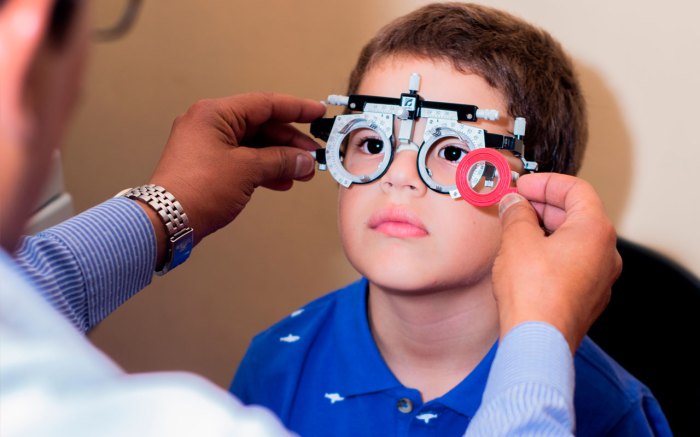
Maintaining optimal eye health goes beyond regular exams and involves incorporating a balanced diet rich in essential nutrients. Nutrition plays a crucial role in supporting eye function and preventing eye-related conditions. By focusing on a diet plan that includes eye-friendly foods, you can promote healthy vision and overall well-being.
Importance of Nutrients for Eye Health
- Eating foods rich in Vitamin A, C, and E can help protect the eyes from damage caused by free radicals.
- Omega-3 fatty acids found in fish like salmon and tuna can support eye health and reduce the risk of macular degeneration.
- Lutein and zeaxanthin, found in leafy greens like spinach and kale, are essential for maintaining healthy vision.
Tips for Creating a Balanced Diet
- Include a variety of colorful fruits and vegetables in your meals to ensure a diverse range of nutrients.
- Limit processed foods and sugary snacks that can contribute to inflammation and eye problems.
- Stay hydrated by drinking plenty of water throughout the day to support overall eye health.
Examples of Eye-Friendly Foods
- Carrots: Rich in beta-carotene, carrots are known to promote good vision and protect the eyes.
- Almonds: Packed with Vitamin E, almonds can help prevent age-related eye conditions like cataracts.
- Sweet potatoes: High in Vitamin A, sweet potatoes play a role in maintaining the health of the cornea.
Health Supplements
When it comes to maintaining good eye health, health supplements play a crucial role in supporting and enhancing our vision. By providing essential nutrients and antioxidants, supplements can help protect our eyes from damage and maintain optimal function.
Common Supplements for Eye Health
- Vitamin A: Known for its role in supporting night vision and overall eye health.
- Lutein and Zeaxanthin: These antioxidants help filter harmful blue light and protect the eyes from damage.
- Omega-3 Fatty Acids: Essential for eye health and can help reduce the risk of macular degeneration.
Complementing a Healthy Diet
While a balanced diet rich in fruits, vegetables, and whole grains is essential for eye health, supplements can complement this by providing concentrated doses of key nutrients. It is important to consult with a healthcare provider or eye specialist before incorporating supplements into your routine to ensure they are suitable for your individual needs.
Guidelines for Choosing Supplements
- Look for supplements from reputable brands with quality ingredients.
- Consider your specific eye health needs and choose supplements that target those concerns.
- Follow recommended dosages and guidelines provided on the supplement packaging.
- Monitor any changes in your vision or overall health when taking supplements and consult a professional if needed.
Breathing Techniques
Proper breathing techniques play a crucial role in maintaining overall health, including eye health. By focusing on deep breathing exercises, individuals can reduce stress levels and improve oxygen flow to the eyes, ultimately supporting better eye health.
Benefits of Deep Breathing for Eye Health
- Deep breathing helps to relax the mind and body, reducing stress which can have a positive impact on eye health.
- Improved oxygen flow from deep breathing can enhance blood circulation to the eyes, promoting better vision.
- Deep breathing exercises can support the lymphatic system, aiding in the removal of toxins that may affect eye health.
Breathing Techniques for Eye Health
- Try diaphragmatic breathing, focusing on deep inhales and slow exhales to calm the mind and body.
- Practice alternate nostril breathing to balance the flow of oxygen and energy throughout the body, including the eyes.
- Engage in mindfulness meditation with a focus on breath awareness to promote relaxation and reduce eye strain.
Incorporating Mindful Breathing Into Daily Routine
- Start your day with a few minutes of deep breathing exercises to set a positive tone for the day.
- Take short breathing breaks throughout the day to relieve eye strain and reduce tension in the eyes.
- Before bedtime, practice relaxation techniques like deep breathing to unwind and support eye health while sleeping.
Disease Prevention
Regular eye exams are essential for disease prevention when it comes to maintaining optimal eye health. Detecting potential issues early on can help prevent diseases from progressing and causing irreversible damage. Lifestyle choices and preventive measures play a crucial role in reducing the risk of eye-related diseases.
Significance of Disease Prevention for Eye Health
- Regular eye exams can detect conditions like glaucoma, macular degeneration, and diabetic retinopathy early, allowing for timely intervention.
- Healthy habits such as wearing sunglasses to protect against UV rays, maintaining a balanced diet rich in nutrients like vitamins A, C, and E, and avoiding smoking can significantly reduce the risk of eye diseases.
- Managing underlying health conditions like diabetes and hypertension can also help prevent eye complications.
- Practicing good hygiene, such as washing hands frequently to prevent eye infections, is crucial for disease prevention.
Pain Management
Pain management is crucial for maintaining eye health, as discomfort in the eyes can indicate underlying issues that need to be addressed promptly. Effective pain management techniques can help alleviate symptoms and prevent further complications.
Common Eye Conditions Requiring Pain Management
- Corneal abrasions: These painful scratches on the outer layer of the eye can cause discomfort and sensitivity to light. Pain management may involve prescription eye drops and protective measures.
- Conjunctivitis (pink eye): This contagious infection can lead to eye redness, itching, and discomfort. Pain management strategies may include warm compresses and over-the-counter eye drops.
- Glaucoma: A serious eye condition characterized by increased pressure within the eye, causing pain and vision loss. Treatment for glaucoma may involve prescription eye drops, oral medications, or surgery.
Tips for Managing Eye-Related Pain
- Apply a cold compress: Placing a cold washcloth over closed eyes can help reduce pain and inflammation.
- Avoid rubbing your eyes: Rubbing can exacerbate pain and potentially cause further damage.
- Use lubricating eye drops: Over-the-counter artificial tears can help alleviate dryness and discomfort.
When to Seek Professional Help
- If you experience sudden or severe eye pain, seek immediate medical attention.
- Persistent eye pain, especially accompanied by other symptoms like vision changes or discharge, should prompt a visit to an eye care professional.
Holistic Treatments
Holistic treatments focus on treating the whole person, including physical, emotional, and spiritual aspects, to promote overall well-being and eye health. These approaches aim to address the root cause of health issues rather than just managing symptoms.Holistic treatments can complement traditional eye care practices by providing a more comprehensive approach to eye health.
By incorporating practices such as acupuncture, herbal remedies, nutritional therapy, and mindfulness techniques, individuals can support their eye health in conjunction with regular eye exams and medical treatments.
Acupuncture
Acupuncture is a holistic treatment that involves inserting thin needles into specific points on the body to stimulate energy flow and promote healing. This ancient practice has been used to improve eye health by increasing blood circulation to the eyes, reducing eye strain, and relieving tension in the eye muscles.
Herbal Remedies
Herbal remedies, such as bilberry, ginkgo biloba, and eyebright, are known for their antioxidant and anti-inflammatory properties that can benefit eye health. These natural supplements can help reduce inflammation, protect against oxidative stress, and support overall eye function.
Nutritional Therapy
Nutritional therapy focuses on using food as medicine to support eye health. A diet rich in nutrients like vitamins A, C, and E, omega-3 fatty acids, and lutein can help protect the eyes from age-related macular degeneration, cataracts, and other eye conditions.
Mindfulness Techniques
Mindfulness techniques, such as meditation and yoga, can help reduce stress, improve sleep quality, and enhance overall well-being, which can indirectly benefit eye health. By managing stress and promoting relaxation, individuals can lower their risk of eye strain and other eye-related issues.
Mental Resilience: Importance Of Regular Eye Exams For Maintaining Eye Health
Maintaining mental resilience is crucial for overall health, including eye health. Our mental well-being directly impacts how we perceive and react to stressors, which can ultimately affect our eye health.
The Role of Resilience in Eye Health
Mental resilience plays a significant role in coping with stress and adversity, which are common factors that can impact eye health. When we are mentally resilient, we are better equipped to handle challenging situations that may arise, leading to reduced stress levels and ultimately benefiting our eye health.
Strategies for Building Mental Resilience
- Practice mindfulness and meditation to cultivate a sense of calm and focus.
- Engage in regular physical activity to boost mood and reduce stress.
- Develop a strong support system of friends and family for emotional support.
- Focus on positive thinking and gratitude to enhance resilience in the face of adversity.
- Seek professional help or therapy if needed to address underlying mental health issues.
Tips for Enhancing Mental Toughness for Better Eye Health
- Set realistic goals and prioritize self-care to maintain a healthy balance in life.
- Practice relaxation techniques like deep breathing exercises to manage stress levels.
- Engage in hobbies and activities that bring joy and fulfillment to boost emotional well-being.
- Acknowledge and accept your emotions, allowing yourself to process and move past difficult feelings.
- Stay connected with others and avoid social isolation, as human connection is vital for mental resilience.
Summary
In conclusion, regular eye exams are essential for preserving eye health, preventing vision problems, and maintaining overall well-being. By staying proactive with eye care, individuals can enjoy clear vision and healthy eyes for years to come.
FAQ Summary
How often should I have a regular eye exam?
The recommended frequency of eye exams varies with age groups. Children should have their eyes checked annually, while adults under 60 should aim for an exam every 2 years. Those over 60 should have yearly exams.
Can eye exams help prevent vision loss?
Absolutely. Regular eye exams can detect potential risks early, allowing for timely intervention to prevent vision loss. They are crucial for maintaining eye health and catching any issues before they progress.
Are there specific conditions that can be detected through eye exams?
Yes, eye exams can detect various conditions such as glaucoma, macular degeneration, cataracts, and diabetic retinopathy. Early detection through these exams can significantly impact treatment outcomes.




![Government-funded vaccination programs in [your country]](https://bloodlpressure.info/wp-content/uploads/2024/07/24808-300x300.jpeg)