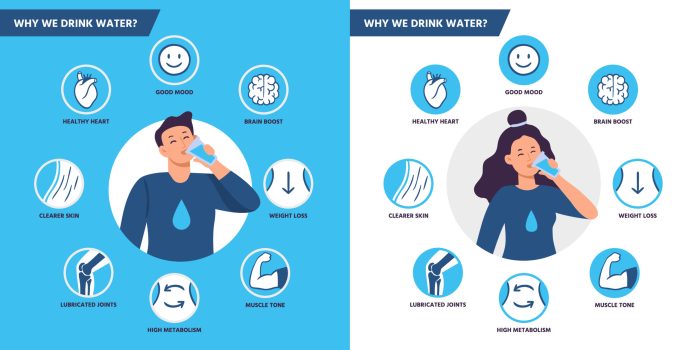
With Importance of hydration for maintaining healthy heart rate at the forefront, this paragraph opens a window to an amazing start and intrigue, inviting readers to embark on a storytelling journey filled with unexpected twists and insights.
Hydration is not just about quenching your thirst; it plays a crucial role in maintaining a healthy heart rate. Dehydration can have serious implications on your heart function, making it essential to understand the connection between hydration and heart health.
Let’s dive into the importance of staying hydrated for a healthy heart rate.
Importance of Hydration for Maintaining Healthy Heart Rate
Proper hydration is crucial for maintaining a healthy heart rate as it plays a vital role in regulating the body’s functions, including the heart’s activity.
Connection between Hydration and Heart Rate Regulation
When the body is dehydrated, the blood volume decreases, causing the heart to work harder to pump blood throughout the body. This increased workload on the heart can lead to a higher heart rate.
Examples of Dehydration’s Effect on Heart Rate
- Dehydration can lead to an increase in heart rate during physical activity, making it more difficult for the heart to meet the body’s demands.
- In severe cases of dehydration, the heart rate may become irregular, putting individuals at risk of complications such as arrhythmias.
Role of Electrolytes in Maintaining Healthy Heart Rate
Electrolytes, such as potassium and sodium, play a key role in maintaining a healthy heart rate by helping to regulate the electrical impulses that control the heart’s contractions. Imbalances in electrolytes due to dehydration can disrupt this process and lead to irregular heartbeats.
Wellness Programs
Wellness programs encompass a variety of initiatives designed to promote overall health and well-being among individuals. These programs often include activities related to physical fitness, nutrition, stress management, and preventive health screenings.
Components of a Comprehensive Wellness Program
- Physical Activity: Regular exercise is a key component of wellness programs, helping to improve cardiovascular health and overall fitness levels.
- Nutrition Education: Providing information on healthy eating habits and hydration to support heart health and overall wellness.
- Stress Management: Techniques to manage stress levels effectively, which can impact heart rate and blood pressure.
- Health Screenings: Regular check-ups and screenings for early detection of potential heart issues.
Benefits of Participating in Wellness Programs for Heart Health
- Improved Heart Rate: Engaging in regular physical activity and maintaining a healthy diet can help regulate heart rate and reduce the risk of heart disease.
- Better Cardiovascular Function: Wellness programs promote overall cardiovascular health, leading to better circulation and reduced strain on the heart.
- Stress Reduction: Managing stress through wellness programs can positively impact heart health by lowering blood pressure and heart rate.
Hydration in a Holistic Wellness Program, Importance of hydration for maintaining healthy heart rate
Proper hydration plays a crucial role in maintaining optimal heart health within a comprehensive wellness program. Adequate water intake helps support circulation, regulate body temperature, and ensure proper functioning of the cardiovascular system. Dehydration can lead to increased heart rate, making it essential to prioritize hydration as part of a holistic approach to wellness.
Herbal Remedies for Heart Health
Herbal remedies have been used for centuries to promote heart health and support a healthy heart rate. These natural remedies can offer a gentle and effective way to maintain cardiovascular wellness.
Herbs Beneficial for Heart Health
- Hawthorn: Known for its ability to improve blood flow and strengthen the heart muscle.
- Ginger: Helps reduce inflammation and lower cholesterol levels, supporting heart health.
- Garlic: Contains compounds that can help lower blood pressure and improve circulation.
- Turmeric: Anti-inflammatory properties can benefit heart health by reducing the risk of heart disease.
How Herbal Remedies Support Healthy Heart Rate
Herbal remedies work in various ways to support a healthy heart rate. They can help reduce inflammation, improve blood flow, lower cholesterol levels, and support overall cardiovascular function. By incorporating these herbs into your wellness routine, you can promote a healthy heart rate naturally.
Importance of Consulting Healthcare Provider
It is crucial to consult a healthcare provider before using herbal remedies for heart health. Some herbs may interact with medications or have contraindications for certain health conditions. A healthcare provider can provide personalized guidance and ensure that the herbal remedies are safe and beneficial for your specific health needs.
Skin Health and Hydration
Maintaining proper hydration is not only crucial for overall health but also plays a significant role in maintaining healthy skin. Dehydration can have detrimental effects on the skin, leading to dryness, dullness, and even premature aging.
Relationship Between Skin Health and Hydration
Proper hydration is essential for keeping the skin cells well-nourished and functioning optimally. When the body lacks adequate water, the skin can become dry, tight, and flaky. Hydrated skin is more elastic, plump, and has a healthy glow.
- Drink Plenty of Water: Staying well-hydrated by drinking an adequate amount of water throughout the day is essential for maintaining skin health.
- Moisturize Regularly: Using a good quality moisturizer can help lock in moisture and prevent water loss from the skin.
- Eat Hydrating Foods: Consuming fruits and vegetables with high water content, such as watermelon, cucumbers, and oranges, can contribute to skin hydration.
- Avoid Excessive Sun Exposure: Sun exposure can lead to dehydration and damage the skin. Use sunscreen and seek shade to protect your skin.
Impact of Dehydration on Skin Health
Dehydration can result in a variety of skin issues, including:
- Dryness: Lack of water in the body can cause the skin to become dry and rough.
- Wrinkles: Dehydrated skin is more prone to developing fine lines and wrinkles prematurely.
- Dullness: When the skin is dehydrated, it can appear dull and lackluster.
- Acne Flare-ups: Dehydration can trigger acne breakouts and exacerbate existing skin conditions.
Bone Density and Hydration
Proper hydration plays a crucial role in maintaining healthy bone density. Dehydration can have negative impacts on bone health and density, making it essential to optimize hydration levels to support overall bone health.
The Importance of Hydration for Bone Health
Hydration is vital for bone health as it helps in the formation and maintenance of bone structure. Water is a key component of bone tissue, contributing to its strength and density. Dehydration can lead to a decrease in bone mass and density, making bones more susceptible to fractures and osteoporosis.
- Drink an adequate amount of water: Aim to drink at least 8-10 glasses of water per day to ensure proper hydration levels.
- Include hydrating foods in your diet: Foods with high water content, such as fruits and vegetables, can also contribute to your overall hydration.
- Monitor your urine color: Dark urine is a sign of dehydration, while light-colored urine indicates adequate hydration.
- Avoid excessive caffeine and alcohol consumption: Both caffeine and alcohol can lead to dehydration, impacting bone health in the long run.
Muscle Mass Maintenance: Importance Of Hydration For Maintaining Healthy Heart Rate
Maintaining proper hydration is crucial for muscle function and growth. Dehydration can have a significant impact on muscle mass and performance. Here are some strategies to stay hydrated and support muscle health.
Importance of Hydration for Muscle Function
Hydration is essential for muscle function as water helps transport nutrients to the muscles, aids in muscle contractions, and regulates body temperature during exercise. Dehydration can lead to muscle fatigue, cramps, and decreased strength, impacting overall performance.
Impact of Dehydration on Muscle Mass
When dehydrated, the body lacks the necessary fluids to support muscle growth and repair. This can hinder protein synthesis, which is crucial for muscle development. Dehydration also increases the risk of muscle injuries and delays recovery post-exercise.
Strategies for Staying Hydrated
- Drink an adequate amount of water throughout the day, especially before, during, and after workouts.
- Monitor your urine color to ensure you are adequately hydrated – pale yellow indicates proper hydration.
- Include hydrating foods in your diet such as fruits, vegetables, and soups.
- Avoid excessive caffeine and alcohol consumption, as they can dehydrate the body.
- Consider electrolyte-rich drinks for intense workouts to replenish lost fluids and minerals.
Dental Care and Hydration
Maintaining proper hydration is not only important for overall health but also plays a crucial role in dental care. Hydration levels can significantly impact oral health and hygiene.
Connection between Hydration and Oral Health
Proper hydration is essential for saliva production, which helps in washing away food particles and bacteria from the mouth. Saliva also contains minerals that protect tooth enamel and prevent tooth decay. Dehydration can lead to a decrease in saliva production, resulting in dry mouth, bad breath, and an increased risk of cavities and gum disease.
Tips for Maintaining Proper Hydration for Dental Care
- Drink an adequate amount of water throughout the day to ensure proper hydration levels.
- Avoid excessive consumption of sugary and acidic beverages that can harm tooth enamel.
- Consider using a straw when drinking beverages to minimize contact with teeth.
- Include hydrating foods in your diet, such as fruits and vegetables with high water content.
Effects of Dehydration on Oral Hygiene and Dental Health
Dehydration can lead to a decrease in saliva production, causing dry mouth and an imbalance in the oral microbiome. This can result in bad breath, increased plaque buildup, and a higher risk of dental issues such as cavities, gum disease, and oral infections.
Eye Health and Hydration
Maintaining proper hydration is crucial not only for overall health but also for the health of our eyes. Dehydration can lead to various eye issues and affect our vision, highlighting the importance of staying hydrated for optimal eye function.
Impact of Hydration on Eye Health
- Dehydration can cause dry eyes, leading to discomfort, irritation, and blurry vision.
- Proper hydration helps in maintaining the balance of fluids in the eyes, ensuring clear vision and reducing the risk of eye strain.
- Hydration plays a role in the production of tears, which are essential for lubricating the eyes and keeping them moist.
Tips for Preventing Dehydration-Related Eye Issues
- Drink an adequate amount of water throughout the day to stay hydrated.
- Avoid consuming excessive amounts of caffeine or alcohol, as they can contribute to dehydration.
- Eat foods with high water content, such as fruits and vegetables, to supplement your hydration levels.
- Use lubricating eye drops as needed to keep your eyes moist and prevent dryness.
Mental Clarity and Hydration
Maintaining proper hydration is crucial not only for physical health but also for mental well-being. Dehydration can have a significant impact on cognitive function, affecting mental clarity and focus. Let’s delve into the link between hydration and optimal brain function.
The Role of Hydration in Cognitive Function
- Water is essential for the proper functioning of the brain. It helps to deliver nutrients and oxygen to the brain cells, aiding in cognitive processes.
- Dehydration can lead to a decrease in brain volume and impair neurotransmission, affecting cognitive functions such as memory, attention, and decision-making.
- Studies have shown that even mild dehydration can negatively impact cognitive performance, leading to difficulties in concentration and problem-solving.
Joint Flexibility and Hydration
Maintaining proper hydration is crucial for supporting joint health and flexibility. Dehydration can have a negative impact on joint mobility, leading to stiffness and discomfort. Here are some tips to ensure you stay hydrated to promote healthy joints:
Impact of Hydration on Joint Health
- Hydration is essential for lubricating the joints and reducing friction between bones.
- Water supports the transportation of nutrients to the cartilage, which helps maintain joint function.
- Proper hydration can help prevent inflammation in the joints, reducing the risk of conditions like arthritis.
Consequences of Dehydration on Joint Flexibility
- Dehydration can lead to a decrease in the synovial fluid that lubricates the joints, resulting in stiffness and limited range of motion.
- Inadequate hydration can accelerate cartilage degeneration, leading to joint pain and discomfort.
- Without enough water, the connective tissues in the joints may become less flexible, affecting overall joint health.
Tips for Staying Hydrated to Support Joint Mobility
- Drink an adequate amount of water throughout the day, especially before and after exercise to replenish fluids lost through sweat.
- Include hydrating foods in your diet, such as fruits and vegetables with high water content.
- Limit the consumption of dehydrating beverages like alcohol and caffeinated drinks.
- Carry a reusable water bottle with you as a reminder to drink water regularly.
Digestive Health and Hydration
Maintaining proper hydration is crucial for optimal digestive health. Water plays a vital role in the digestion and absorption of nutrients, as well as in the prevention of various digestive issues.
Importance of Hydration for Digestive System Function
- Water helps in the breakdown of food particles and the absorption of nutrients in the digestive tract.
- Proper hydration ensures that the digestive system functions smoothly and efficiently.
- Hydration helps in the prevention of constipation by softening the stool and promoting regular bowel movements.
Dehydration and Digestive Issues
- Dehydration can lead to constipation, bloating, and indigestion due to the lack of water to facilitate digestion.
- Inadequate hydration can also cause acid reflux and heartburn as the digestive juices become more concentrated.
- Chronic dehydration may increase the risk of developing more serious digestive conditions such as ulcers or gastritis.
Tips for Maintaining Proper Hydration for Digestive Health
- Drink an adequate amount of water throughout the day, aiming for at least 8-10 glasses.
- Avoid excessive consumption of diuretic beverages such as coffee and alcohol that can lead to dehydration.
- Eat water-rich foods like fruits and vegetables to supplement your hydration needs.
- Monitor your urine color – clear or light yellow urine indicates proper hydration.
Detox Process and Hydration
Hydration plays a crucial role in supporting the body’s natural detoxification processes. By staying hydrated, you can help your body effectively eliminate toxins and waste products.
Hydration in Detoxification
Water is essential for flushing out toxins from the body. It helps transport waste and toxins through the kidneys and liver, where they are processed and eliminated.
- Drinking an adequate amount of water throughout the day can promote the removal of toxins through urination and sweating.
- Proper hydration supports the lymphatic system, which plays a key role in detoxification by carrying waste away from cells and tissues.
- Hydration is essential for optimal liver function, as water helps the liver break down and remove toxins from the body.
Tips for Staying Hydrated for Detoxification
- Aim to drink at least 8-10 glasses of water per day to support the body’s detox processes.
- Include hydrating foods in your diet, such as fruits and vegetables with high water content, to boost hydration levels.
- Avoid sugary and caffeinated beverages, as they can dehydrate the body and hinder the detoxification process.
- Carry a reusable water bottle with you throughout the day to remind yourself to stay hydrated consistently.
- Consider adding electrolytes to your water or consuming coconut water to replenish essential minerals lost during detoxification.
Blood Pressure Regulation
Maintaining proper hydration levels is crucial for regulating blood pressure and overall cardiovascular health. Dehydration can lead to increased blood pressure, putting strain on the heart and potentially leading to serious health issues.
Impact of Hydration on Blood Pressure Levels
Proper hydration plays a key role in regulating blood pressure levels. When the body is dehydrated, blood volume decreases, causing blood vessels to constrict and blood pressure to rise. This increased pressure can put a strain on the heart and lead to hypertension.
- Drinking an adequate amount of water helps maintain blood volume and keeps blood vessels dilated, helping to lower blood pressure.
- Staying hydrated also supports proper kidney function, which is essential for regulating blood pressure.
- Dehydration can lead to electrolyte imbalances, which can further contribute to high blood pressure.
Tips for Staying Hydrated for Healthy Blood Pressure
Proper hydration is key to maintaining healthy blood pressure levels. Here are some tips to help you stay hydrated:
- Drink at least 8-10 glasses of water per day, more if you are active or in hot weather.
- Avoid excessive consumption of caffeinated or alcoholic beverages, as they can contribute to dehydration.
- Eat water-rich foods such as fruits and vegetables to increase your overall water intake.
- Carry a reusable water bottle with you to ensure you have access to water throughout the day.
- Monitor your urine color
pale yellow to clear indicates proper hydration.
Health Screenings Importance
Regular health screenings play a crucial role in maintaining overall wellness by detecting potential issues early on, especially when it comes to heart health.
Significance of Regular Health Screenings for Heart Health
Regular health screenings, including blood pressure checks, cholesterol tests, and heart rate monitoring, are essential for detecting any abnormalities or risk factors related to heart health. By identifying these issues early, individuals can take proactive steps to prevent more serious conditions from developing.
How Screenings Help Detect Potential Issues Related to Hydration and Heart Rate
During health screenings, healthcare professionals can assess hydration levels through various indicators like blood tests and urine analysis. Dehydration can impact heart rate and overall cardiovascular health, so detecting hydration issues early can help prevent complications and maintain a healthy heart rate.
Benefits of Proactive Health Screenings in Maintaining Overall Wellness
Proactive health screenings not only aid in early detection of heart-related issues but also contribute to maintaining overall wellness by identifying other potential health concerns. By staying on top of screenings, individuals can address any issues promptly, leading to better health outcomes and improved quality of life.
Vaccination Programs and Wellness
Vaccination programs play a crucial role in promoting overall wellness by protecting individuals from various diseases. These programs are designed to prevent the spread of infectious diseases and contribute to a healthier community.
Importance of Vaccinations in Preventing Diseases
Vaccinations are essential in preventing diseases that can have a significant impact on hydration and heart rate. By immunizing individuals against illnesses such as influenza, pneumonia, and other infectious diseases, vaccinations help reduce the risk of complications that could affect hydration levels and heart health.
- Vaccinations prevent illnesses that may lead to dehydration, which can negatively affect heart rate and overall health.
- By reducing the prevalence of diseases that affect the respiratory system, vaccinations support proper oxygen intake, which is essential for maintaining a healthy heart rate.
- Preventing infections through vaccinations helps in preserving the body’s immune system, ensuring optimal functioning for overall wellness.
Role of Vaccinations in Promoting a Healthy Lifestyle
Vaccinations are a cornerstone of a healthy lifestyle as they protect individuals from potentially life-threatening diseases, allowing them to lead an active and fulfilling life.
- By preventing diseases that can compromise overall health, vaccinations support individuals in maintaining a regular exercise routine, which is beneficial for heart health.
- Vaccinations enable individuals to engage in social activities and community events without the fear of contracting contagious diseases, promoting mental well-being.
- Ensuring that individuals are up to date with necessary vaccinations is a proactive measure in safeguarding their health and longevity.
Cultivating Healthy Habits
Developing and maintaining healthy habits is crucial for overall well-being. Consistent hydration plays a significant role in supporting these habits and promoting optimal health and wellness. Here are some strategies and tips for incorporating hydration into daily routines for long-term benefits:
Strategies for Developing Healthy Habits
- Set specific, achievable goals related to hydration, such as drinking a certain amount of water each day.
- Establish a routine by creating hydration reminders or incorporating water breaks into your daily schedule.
- Track your water intake to ensure you are meeting your hydration needs.
- Make hydration enjoyable by adding flavor with fruits or herbs, or using a fun water bottle.
Impact of Consistent Hydration on Overall Health
Consistent hydration is essential for maintaining proper bodily functions, supporting organ health, regulating body temperature, and aiding in nutrient absorption. It can also improve energy levels, cognitive function, and overall mood.
Tips for Incorporating Hydration into Daily Routines
- Start your day with a glass of water before consuming any other beverages or food.
- Carry a reusable water bottle with you throughout the day for easy access to hydration.
- Set reminders on your phone or use apps to track your water intake and prompt you to drink more water.
- Incorporate hydrating foods like fruits and vegetables into your meals and snacks.
Balanced Hormones and Hydration
Proper hydration plays a crucial role in maintaining balanced hormones within the body. When the body is adequately hydrated, it can effectively regulate hormone levels and functions, contributing to overall health and well-being.
The Relationship Between Hydration and Hormonal Balance
Hydration is essential for the production and transport of hormones throughout the body. Water is a key component in the process of hormone synthesis, ensuring that glands can produce and release hormones effectively. Dehydration can lead to a disruption in this process, causing imbalances in hormone levels.
- Optimal hydration supports the function of the endocrine system, which is responsible for producing hormones that regulate metabolism, growth, mood, and more.
- Water helps to flush out toxins and waste products that can interfere with hormonal signaling and balance.
- Proper hydration is crucial for the health of organs like the pituitary gland, thyroid, and adrenal glands, which play a significant role in hormone production.
Tips for Optimizing Hydration for Hormonal Health
- Drink an adequate amount of water throughout the day, aiming for at least 8-10 glasses of water.
- Include hydrating foods in your diet, such as fruits and vegetables with high water content.
- Avoid excessive consumption of dehydrating beverages like alcohol and caffeine.
- Monitor your hydration levels by paying attention to thirst cues and the color of your urine.
- Consider electrolyte-rich drinks or supplements to maintain a healthy balance of minerals in the body.
Health Coaching for Heart Health
Health coaching plays a crucial role in promoting heart health by providing individuals with the necessary support and guidance to improve their overall well-being.
The Role of Health Coaches in Promoting Heart Health
- Health coaches work closely with individuals to create personalized wellness plans that focus on improving hydration habits for a healthy heart rate.
- They educate clients on the importance of staying hydrated to maintain optimal heart function and prevent cardiovascular issues.
- Health coaches provide motivation and accountability to help individuals make sustainable lifestyle changes that contribute to heart health.
Benefits of Working with a Health Coach
- Individualized Support: Health coaches offer personalized guidance tailored to each individual’s unique needs and goals.
- Accountability: Regular check-ins and support from a health coach help individuals stay on track with their wellness goals, including improving hydration habits.
- Empowerment: Health coaching empowers individuals to take control of their health and make positive changes that benefit their heart health and overall well-being.
Setting and Achieving Fitness Goals
Maintaining a healthy heart rate through fitness goals is crucial for overall well-being. By setting realistic objectives and staying hydrated, you can optimize your heart health and fitness levels.
Tips for Setting Realistic Fitness Goals Related to Heart Health
- Start by consulting with a healthcare professional or a fitness expert to determine your current fitness level and assess your heart health.
- Set specific, measurable, achievable, relevant, and time-bound (SMART) goals that are tailored to improving your heart rate and overall cardiovascular health.
- Consider incorporating a combination of aerobic exercises, strength training, and flexibility exercises into your fitness routine to target different aspects of heart health.
- Track your progress regularly and make adjustments to your goals as needed to ensure continuous improvement.
Importance of Hydration in Achieving Fitness Objectives
- Hydration plays a vital role in maintaining optimal heart function during exercise by supporting circulation and nutrient delivery to muscles.
- Dehydration can lead to decreased performance, increased heart rate, and higher risk of cardiovascular issues, making it essential to stay hydrated before, during, and after workouts.
- Monitor your fluid intake by drinking water regularly throughout the day and consuming electrolyte-rich beverages if engaging in intense or prolonged physical activity.
Strategies for Staying Hydrated During Workouts to Support Heart Health
- Carry a reusable water bottle and sip water consistently during your workouts to prevent dehydration and maintain optimal heart rate.
- Avoid excessive intake of caffeinated or sugary drinks, as they can have diuretic effects and contribute to dehydration.
- Incorporate hydrating foods like fruits, vegetables, and soups into your pre-workout meals to boost hydration levels and support overall cardiovascular health.
Customizing Diet Plans for Heart Health
Maintaining a balanced diet is essential for keeping a healthy heart rate. A heart-healthy diet includes foods that are rich in nutrients, low in saturated fats, cholesterol, and sodium.
Hydration and Heart Health
Hydration plays a crucial role in supporting heart health as well. Proper hydration helps maintain blood volume, which is necessary for optimal circulation and heart function. Dehydration can lead to an increased heart rate and strain on the heart.
- Water: Staying hydrated with water is key to supporting heart health. Aim to drink at least 8-10 glasses of water per day to maintain proper hydration levels.
- Herbal teas: Herbal teas like green tea or hibiscus tea not only provide hydration but also contain antioxidants that benefit heart health.
- Fruits and vegetables: Foods with high water content such as cucumbers, watermelon, and oranges can also contribute to hydration levels.
Incorporating Health Supplements
Hydration plays a crucial role in supporting heart health, but incorporating health supplements can also provide additional benefits to overall wellness. Supplements can help fill in any nutritional gaps in your diet and support specific areas of heart health that may need extra attention.
Role of Supplements in Supporting Heart Health
- Omega-3 fatty acids: Essential for heart health, omega-3 supplements can help reduce inflammation and lower the risk of heart disease.
- Coenzyme Q10 (CoQ10): Supports energy production in cells, including those in the heart, and can help improve overall heart function.
- Magnesium: Important for maintaining a healthy heart rhythm and regulating blood pressure.
How Hydration Enhances Supplement Effectiveness
Proper hydration can improve the absorption and utilization of supplements in the body. Water helps transport nutrients to cells, allowing the body to effectively make use of the vitamins and minerals from supplements. Staying hydrated ensures that your body can maximize the benefits of the supplements you are taking.
Tips for Safely Incorporating Supplements into a Wellness Routine
- Consult with a healthcare provider: Before adding any supplements to your routine, it’s important to speak with a healthcare professional to ensure they are safe and appropriate for your individual needs.
- Start with one supplement at a time: Introduce supplements gradually to monitor how your body reacts and determine their effectiveness.
- Follow recommended dosages: Avoid taking more than the recommended amount of supplements, as this can have negative effects on your health.
- Choose high-quality supplements: Look for reputable brands and products that have been tested for purity and potency.
Breathing Techniques for Heart Health
Breathing exercises play a crucial role in maintaining a healthy heart rate and overall heart health. Proper breathing techniques can help regulate heart rate, reduce stress, and improve circulation, ultimately supporting cardiovascular well-being.
Benefits of Breathing Exercises for Heart Health
- Deep breathing exercises can help decrease heart rate and blood pressure, promoting relaxation and reducing the risk of heart-related issues.
- Focused breathing techniques can enhance oxygen flow to the heart, improving its overall function and efficiency.
- Practicing mindful breathing can reduce stress and anxiety, which are known contributors to heart problems.
Connection between Proper Breathing and Hydration for Heart Rate Regulation
Proper hydration supports the optimal function of the cardiovascular system, aiding in the delivery of oxygen and nutrients to the heart. When combined with effective breathing techniques, hydration can help regulate heart rate and maintain cardiovascular health.
Examples of Breathing Techniques for Healthy Heart Rate
- Diaphragmatic breathing: Inhale deeply through your nose, allowing your diaphragm to expand fully, then exhale slowly through your mouth, focusing on the breath moving from your abdomen.
- 4-7-8 breathing: Inhale for a count of 4, hold your breath for a count of 7, and exhale for a count of 8. Repeat this cycle to calm the nervous system and reduce heart rate.
- Equal breathing: Inhale and exhale for an equal count, such as 4 seconds each, to establish a steady rhythm and promote relaxation.
Preventing Diseases through Hydration
Proper hydration is crucial for preventing various diseases as it plays a vital role in maintaining the overall health and function of the body. Dehydration, on the other hand, can significantly impact disease susceptibility and overall well-being. Here are some key points to consider in maintaining proper hydration to reduce the risk of illnesses:
Impact of Dehydration on Disease Susceptibility
- Dehydration can compromise the immune system, making the body more vulnerable to infections and illnesses.
- Chronic dehydration has been linked to an increased risk of developing conditions such as kidney stones, urinary tract infections, and digestive issues.
- Dehydration can also lead to electrolyte imbalances, which can have serious implications for heart health and overall bodily function.
Tips for Maintaining Proper Hydration
- Drink an adequate amount of water throughout the day, aiming for at least 8-10 glasses of water.
- Include hydrating foods in your diet, such as fruits and vegetables with high water content.
- Avoid excessive consumption of dehydrating beverages like alcohol and caffeinated drinks.
- Monitor your hydration levels by paying attention to thirst cues and the color of your urine.
- Stay hydrated during physical activity or in hot weather by drinking water regularly.
Managing Pain with Hydration
When it comes to managing pain, hydration plays a crucial role in alleviating discomfort and promoting overall well-being. Proper hydration can help reduce inflammation, improve circulation, and support the body’s natural healing processes.
Benefits of Hydration for Pain Relief
- Hydration helps to maintain proper joint lubrication, reducing friction and alleviating joint pain.
- Drinking an adequate amount of water can help prevent muscle cramps and spasms, reducing pain and discomfort.
- Proper hydration supports the function of the intervertebral discs, reducing back pain and promoting spinal health.
Tips for Using Hydration as a Natural Pain Relief Approach
- Drink water regularly throughout the day, aiming for at least 8-10 glasses to stay hydrated.
- Consider consuming hydrating foods such as fruits and vegetables with high water content to supplement your fluid intake.
- Avoid excessive consumption of caffeinated or sugary beverages, as they can dehydrate the body and worsen pain symptoms.
- Listen to your body’s signals and increase your water intake if you are experiencing pain or discomfort.
Holistic Approaches to Wellness
When it comes to overall health and well-being, holistic approaches focus on treating the whole person, considering physical, mental, emotional, and spiritual aspects. These approaches aim to achieve balance and harmony in all areas of life, leading to improved health outcomes.
Benefits of Holistic Treatments for Overall Health
Holistic treatments offer a range of benefits for overall health, including:
- Promoting relaxation and stress reduction
- Enhancing the body’s natural healing abilities
- Improving mental clarity and emotional well-being
- Boosting energy levels and vitality
- Supporting a strong immune system
Integration of Hydration into Holistic Approaches to Wellness
Hydration plays a crucial role in holistic approaches to wellness as it supports various bodily functions and helps maintain balance within the body. Proper hydration can:
- Detoxify the body and flush out toxins
- Improve digestion and nutrient absorption
- Enhance skin health and promote a youthful appearance
- Support joint flexibility and muscle function
Examples of Holistic Practices for Healthy Heart Rate
Several holistic practices can promote a healthy heart rate and overall cardiovascular health, including:
- Yoga and meditation for stress reduction
- Acupuncture to improve energy flow
- Herbal remedies for heart health
- Breathing techniques to enhance oxygen circulation
- Mindful eating to support heart-healthy nutrition
Building Mental Resilience
Maintaining mental resilience is crucial for overall health and well-being, including heart health. It involves the ability to adapt to stress, challenges, and setbacks while maintaining a positive outlook on life. Hydration plays a significant role in supporting mental well-being and resilience by ensuring proper brain function and emotional stability.
Strategies for Enhancing Mental Resilience through Proper Hydration
- Stay Hydrated: Dehydration can lead to cognitive impairment, mood swings, and decreased ability to cope with stress. Ensure you drink an adequate amount of water throughout the day to support optimal brain function.
- Limit Caffeine and Alcohol: Both caffeine and alcohol can dehydrate the body, leading to decreased mental clarity and resilience. Limit your intake and balance it with water consumption.
- Practice Mindfulness: Engaging in mindfulness practices such as meditation, deep breathing exercises, or yoga can help reduce stress levels and improve mental resilience.
- Eat Hydrating Foods: Include water-rich foods in your diet such as fruits and vegetables to support hydration levels and overall mental well-being.
- Create a Routine: Establishing a daily routine that includes hydration reminders can help ensure you are consistently drinking enough water throughout the day.
Closing Notes
In conclusion, maintaining proper hydration is key to supporting a healthy heart rate. By understanding the significance of hydration in heart health, you can take proactive steps to ensure your heart functions optimally. Remember, a well-hydrated body is a happy heart.
Answers to Common Questions
How does dehydration affect heart rate?
Dehydration can cause a decrease in blood volume, leading to an increase in heart rate as the heart works harder to circulate less fluid.
What role do electrolytes play in maintaining a healthy heart rate?
Electrolytes like potassium and sodium are essential for muscle function, including the heart muscle. They help regulate heart rhythm and ensure proper heart function.
How can hydration impact joint flexibility?
Hydration helps maintain the lubrication in your joints, supporting flexibility and reducing the risk of stiffness and discomfort.
Is it necessary to consult a healthcare provider before using herbal remedies for heart health?
Yes, it’s crucial to consult a healthcare provider before incorporating herbal remedies to ensure they are safe and effective for your specific health needs.


![Government-funded vaccination programs in [your country]](https://bloodlpressure.info/wp-content/uploads/2024/07/24808-300x300.jpeg)
