How to prepare for and interpret pap smears dives into the essential aspects of this crucial procedure, offering valuable insights and guidance for women’s health. From understanding the process to interpreting results, this guide covers it all in a concise and informative manner.
Preparing for a Pap smear can be daunting, but with the right information and tips, women can feel empowered and informed before their appointment. Let’s explore the key points together.
Understanding Pap Smears
A Pap smear, also known as a Pap test, is a screening procedure used to detect any abnormalities in the cervix that may indicate the presence of cervical cancer or pre-cancerous cells. During a Pap smear, a small sample of cells is collected from the cervix and examined under a microscope to look for any irregularities.
Purpose of a Pap Smear
- One of the main purposes of a Pap smear is to detect cervical cancer in its early stages when it is most treatable.
- It also helps identify any pre-cancerous changes in the cervix, allowing for timely intervention to prevent the development of cervical cancer.
- Regular Pap smears can help monitor changes in cervical cells over time and assess the risk of developing cervical cancer.
Frequency of Pap Smears
- Women aged 21 to 65 years old are generally recommended to have a Pap smear every three years.
- After the age of 30, women who have had three consecutive normal Pap smears may be advised to have them every five years, or in conjunction with an HPV test, known as co-testing.
- Women with certain risk factors, such as a history of abnormal Pap smears or a weakened immune system, may need more frequent screenings as advised by their healthcare provider.
Age Range for Pap Smears
- Most guidelines recommend that women start getting Pap smears at the age of 21, regardless of sexual activity.
- Women between the ages of 21 and 29 should have a Pap smear every three years.
- For women aged 30 to 65, Pap smears every three to five years, along with an HPV test, are typically recommended.
Preparation for a Pap Smear
When preparing for a Pap smear, it’s important to know what to expect during the procedure and how to get ready for your appointment.
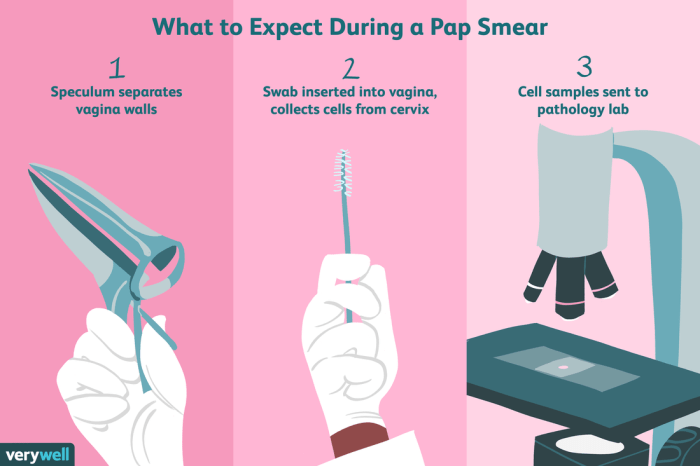
What to Expect During a Pap Smear
A Pap smear involves collecting cells from the cervix to check for any abnormalities that could indicate cervical cancer. The procedure is usually quick and may cause mild discomfort but should not be painful.
Tips on How to Prepare for a Pap Smear Appointment
- Try to schedule your Pap smear for a time when you are not menstruating, as blood can interfere with the results.
- Avoid using tampons, vaginal creams, or medications for at least 48 hours before the test, as they can affect the accuracy of the results.
- It’s best to avoid sexual intercourse for 24 to 48 hours before your appointment, as spermicides and lubricants can interfere with the test results.
- If you are nervous or anxious about the procedure, don’t hesitate to talk to your healthcare provider beforehand. They can provide you with more information and help alleviate any concerns you may have.
Restrictions or Guidelines Before a Pap Smear
- Inform your healthcare provider if you are pregnant, as this may affect the timing of your Pap smear.
- If you have a history of abnormal Pap smears or cervical cancer, your healthcare provider may recommend more frequent screenings or additional tests.
- It’s important to follow any specific instructions given by your healthcare provider before your Pap smear appointment to ensure accurate results.
Interpreting Pap Smear Results
When it comes to interpreting Pap smear results, it is crucial to understand what both normal and abnormal results may indicate, as well as the necessary follow-up steps to take based on those results.
Normal Pap Smear Results
- Normal Pap smear results typically indicate that no abnormal cells were found in the sample collected during the test.
- This suggests that the cervical cells appear to be healthy and there are no signs of precancerous or cancerous changes.
Abnormal Pap Smear Results
- Abnormal Pap smear results may suggest the presence of abnormal cells on the cervix, which could be caused by infections, inflammation, or precancerous changes.
- These abnormal cells are categorized into different groups based on the degree of abnormality, such as atypical squamous cells of undetermined significance (ASCUS), low-grade squamous intraepithelial lesion (LSIL), high-grade squamous intraepithelial lesion (HSIL), or carcinoma in situ.
- It is important to note that abnormal Pap smear results do not always indicate cancer, but further evaluation and testing are necessary to determine the cause of the abnormalities.
Follow-Up Steps
- After receiving abnormal Pap smear results, follow-up steps may include a repeat Pap smear, colposcopy (a procedure to closely examine the cervix), HPV testing, or a biopsy to further evaluate the abnormalities detected.
- Depending on the severity of the abnormalities and the underlying cause, treatment options such as monitoring, medication, or procedures to remove abnormal cells may be recommended by a healthcare provider.
- Regular follow-up appointments and screenings are essential to monitor changes in cervical cells and ensure early detection and treatment of any potential issues.
Wellness Programs
Wellness programs play a crucial role in promoting women’s health by offering a holistic approach to well-being. These programs encompass various activities and resources aimed at improving physical, mental, and emotional health.
Examples of Wellness Programs for Women’s Health
- Yoga and Meditation Classes: These programs focus on reducing stress levels and promoting relaxation, which can have a positive impact on overall health.
- Nutrition Workshops: Educating women on healthy eating habits and providing meal planning tips to support a balanced diet.
- Physical Fitness Programs: Offering exercise classes and fitness challenges to improve cardiovascular health and strength.
- Mental Health Support Groups: Providing a safe space for women to discuss mental health issues and access resources for mental well-being.
Benefits of Participating in Wellness Programs
- Improved Overall Health: Engaging in wellness programs can lead to better physical fitness, mental clarity, and emotional well-being.
- Preventive Care: Wellness programs often emphasize preventive measures, such as healthy eating and regular exercise, which can reduce the risk of chronic diseases.
- Community Support: These programs create a supportive environment where women can connect with others, share experiences, and receive encouragement.
How Wellness Programs Complement Pap Smear Screenings
Wellness programs complement Pap smear screenings by promoting a healthy lifestyle that supports reproductive health. By participating in wellness programs, women can improve their overall well-being, which can positively impact the effectiveness of Pap smear screenings in detecting abnormalities early.
Additionally, wellness programs often emphasize the importance of regular screenings and preventive care, encouraging women to stay proactive about their health.
Herbal Remedies for Women’s Health
Herbal remedies have been used for centuries to support women’s reproductive health and overall wellness. These natural remedies are derived from plants and herbs, offering a gentle alternative to pharmaceutical interventions.When considering herbal remedies for women’s health, it is important to understand both the potential benefits and risks associated with their use.
While herbal remedies can provide relief from menstrual cramps, hormonal imbalances, and other reproductive issues, they can also interact with medications or cause allergic reactions in some individuals. It is crucial to consult with a healthcare provider or herbalist before incorporating any herbal remedy into your healthcare routine.
Herbs for Women’s Reproductive Health
- Chasteberry: Known for balancing hormones and alleviating symptoms of PMS and menopause.
- Raspberry leaf: Supports uterine health, eases menstrual cramps, and prepares the body for childbirth.
- Black cohosh: Helps manage menopausal symptoms such as hot flashes and night sweats.
- Dong quai: Traditionally used to regulate menstrual cycles and relieve symptoms of menopause.
It is essential to research each herb thoroughly and consult with a healthcare professional to determine the appropriate dosage and usage.
Holistic Approach to Women’s Wellness
Integrating herbal remedies into a holistic approach to women’s wellness involves looking at the individual as a whole – physically, emotionally, and spiritually. Herbal remedies can complement other wellness practices such as nutrition, exercise, mindfulness, and traditional medicine.
| Wellness Practice | Benefits |
|---|---|
| Herbal Remedies | Natural support for reproductive health without harsh side effects. |
| Nutrition | Provides essential nutrients for hormonal balance and overall well-being. |
| Exercise | Improves circulation, reduces stress, and supports hormonal health. |
| Mindfulness | Promotes emotional balance and stress management. |
| Traditional Medicine | Combines modern medical interventions with holistic practices for comprehensive care. |
Skin Health and Women’s Wellness
Maintaining healthy skin is not only important for cosmetic reasons but also plays a crucial role in women’s overall wellness. The skin is the body’s largest organ and serves as a protective barrier against external elements. Therefore, taking care of your skin can have a positive impact on your overall well-being.
The Connection Between Skin Health and Overall Well-Being
Healthy skin is a reflection of good internal health. Skin issues such as acne, eczema, or premature aging can often be indicators of underlying health problems. For example, hormonal imbalances, poor diet, stress, or lack of sleep can manifest on the skin in various ways.
By paying attention to your skin’s condition, you can potentially identify and address any health issues early on.
Tips for Maintaining Healthy Skin Through Lifestyle Choices, How to prepare for and interpret pap smears
- Avoid excessive sun exposure and always use sunscreen to protect your skin from harmful UV rays.
- Stay hydrated by drinking an adequate amount of water daily to keep your skin hydrated and supple.
- Eat a balanced diet rich in fruits, vegetables, and omega-3 fatty acids to nourish your skin from the inside out.
- Get enough sleep to allow your skin time to repair and regenerate during the night.
- Manage stress through relaxation techniques like meditation, yoga, or deep breathing exercises to prevent stress-related skin issues.
How Skin Health Can Reflect Underlying Health Issues
Changes in your skin’s appearance, texture, or sensitivity can be early signs of various health conditions. For instance, sudden rashes, dryness, or discoloration may indicate allergies, hormonal imbalances, or nutrient deficiencies. Regularly monitoring your skin and seeking medical advice if you notice any unusual changes can help in early detection and treatment of underlying health issues.
Bone Density and Women’s Health
Maintaining healthy bone density is crucial for women’s overall health and well-being. Strong bones are essential for supporting the body, preventing fractures, and reducing the risk of osteoporosis as women age.
Importance of Bone Density
- Strong bones provide structural support for the body and protect vital organs.
- Healthy bone density reduces the risk of fractures, especially in postmenopausal women.
- Low bone density can lead to osteoporosis, a condition characterized by fragile bones and an increased risk of fractures.
Factors Affecting Bone Density
- Age: Bone density decreases with age, especially after menopause.
- Diet: Lack of calcium, vitamin D, and other nutrients can impact bone health.
- Physical activity: Sedentary lifestyle can lead to decreased bone density.
- Hormonal changes: Estrogen plays a key role in maintaining bone density in women.
Tips for Maintaining Healthy Bone Density
- Include calcium-rich foods in your diet, such as dairy products, leafy greens, and fortified foods.
- Get plenty of vitamin D from sunlight exposure or supplements to aid in calcium absorption.
- Engage in weight-bearing exercises like walking, dancing, or strength training to strengthen bones.
- Avoid smoking and limit alcohol consumption, as these can negatively impact bone health.
Muscle Mass and Women’s Wellness
The role of muscle mass in women’s overall health is crucial as it contributes to various aspects such as metabolism, strength, and overall physical function. Maintaining a healthy level of muscle mass can help women in improving their quality of life and reducing the risk of chronic diseases.
Benefits of Strength Training for Women
- Increased Metabolism: Strength training can help women boost their metabolism, leading to more efficient calorie burning and potential weight loss.
- Enhanced Bone Health: Building muscle mass through strength training can also improve bone density, reducing the risk of osteoporosis.
- Improved Mental Health: Engaging in strength training can release endorphins, promoting a sense of well-being and reducing symptoms of anxiety and depression.
- Enhanced Physical Performance: Building muscle strength can improve balance, flexibility, and overall physical performance, reducing the risk of injuries.
Tips on Improving Muscle Mass and Strength
- Start with Bodyweight Exercises: Begin with exercises like squats, lunges, and push-ups to build a foundation of strength before progressing to using weights.
- Incorporate Resistance Training: Use resistance bands, dumbbells, or kettlebells to challenge your muscles and promote growth.
- Focus on Progressive Overload: Gradually increase the intensity of your workouts by adding more weight or repetitions to continue challenging your muscles.
- Ensure Proper Nutrition: Consume an adequate amount of protein to support muscle growth and repair, along with a balanced diet rich in vitamins and minerals.
Dental Care and Women’s Health
Proper dental care is essential for women’s overall well-being as it plays a crucial role in maintaining good health and preventing various diseases. Taking care of your oral health can have a significant impact on your systemic health and quality of life.
Importance of Dental Care for Women
Good oral hygiene is not just about having a bright smile; it is also important for preventing gum disease, tooth decay, and other oral health issues. Women are more prone to certain oral health problems due to hormonal changes, pregnancy, and menopause, making it crucial to prioritize dental care.
- Brush your teeth at least twice a day with fluoride toothpaste to remove plaque and prevent cavities.
- Floss daily to clean between teeth and prevent gum disease.
- Visit your dentist regularly for check-ups and professional cleanings to detect and treat any issues early.
- Limit sugary and acidic foods and drinks that can damage your teeth and lead to decay.
Connection between Oral Health and Systemic Health in Women
Research has shown that there is a strong connection between oral health and systemic health in women. Poor oral hygiene can contribute to various health conditions such as heart disease, diabetes, and pregnancy complications. Taking care of your teeth and gums can help prevent these systemic issues and improve your overall health.
Remember, a healthy smile starts with good oral hygiene habits and regular visits to the dentist.
Eye Health and Women’s Wellness
Maintaining good eye health is crucial for overall wellness, especially for women. There are several common eye health issues that women may face, making it essential to prioritize eye care as part of their overall health routine. Regular eye exams play a key role in detecting any potential problems early on, allowing for timely intervention and treatment.
Common Eye Health Issues for Women
- Age-related macular degeneration
- Glaucoma
- Dry eye syndrome
- Cataracts
Tips for Maintaining Good Eye Health
- Eat a healthy diet rich in fruits and vegetables, especially those high in vitamins A, C, and E.
- Avoid prolonged screen time and take breaks to reduce eye strain.
- Protect your eyes from harmful UV rays by wearing sunglasses outdoors.
- Avoid smoking, as it can increase the risk of developing eye diseases.
Importance of Regular Eye Exams for Women
Regular eye exams are essential for early detection of eye diseases and conditions that may not present noticeable symptoms in the early stages. Women, especially those over the age of 40, should schedule regular eye exams to monitor their eye health and address any issues promptly.
Mental Clarity and Women’s Health
Having mental clarity is crucial for women’s overall well-being as it affects decision-making, problem-solving, and overall cognitive function. It plays a significant role in managing stress, emotions, and maintaining a positive outlook on life.
Strategies for Improving Mental Clarity and Cognitive Function
- Engage in regular physical exercise to boost blood flow to the brain and improve cognitive function.
- Get an adequate amount of quality sleep to support memory consolidation and mental alertness.
- Practice mindfulness techniques such as meditation and deep breathing exercises to reduce stress and enhance focus.
- Challenge your brain with puzzles, learning new skills, or engaging in creative activities to stimulate cognitive abilities.
Benefits of Mindfulness Practices for Women’s Mental Health
- Reduces symptoms of anxiety and depression by promoting relaxation and emotional regulation.
- Enhances self-awareness and self-compassion, fostering a positive mindset and resilience in facing challenges.
- Improves attention span and concentration, leading to better productivity and mental clarity.
- Promotes overall well-being by cultivating a sense of inner peace and contentment.
Joint Flexibility and Women’s Wellness: How To Prepare For And Interpret Pap Smears
Joint flexibility plays a crucial role in women’s health as it directly impacts mobility, quality of life, and overall well-being. Maintaining good joint flexibility can help prevent injuries, reduce stiffness, and improve posture, leading to better physical function in daily activities.
Tips for Improving Joint Flexibility through Exercise
- Include a variety of stretching exercises in your workout routine, focusing on different muscle groups and joints.
- Try yoga or Pilates, which are excellent for improving flexibility and balance.
- Practice dynamic stretching before exercise and static stretching after to enhance flexibility and prevent muscle tightness.
- Incorporate strength training exercises to support joint stability and range of motion.
Impact of Joint Health on Overall Mobility and Quality of Life for Women
Maintaining good joint health is essential for women to stay active, independent, and enjoy a high quality of life. Flexible joints allow for smooth movement, prevent pain and stiffness, and support proper alignment of the body. With improved joint flexibility, women can engage in various physical activities, maintain a healthy weight, and reduce the risk of chronic conditions such as arthritis.
Digestive Health and Women’s Health
Maintaining good digestive health is crucial for women’s overall wellness. A healthy digestive system ensures proper nutrient absorption, supports the immune system, and aids in overall well-being. Let’s explore the importance of digestive health and how diet and lifestyle choices impact women’s digestive system.
Tips for Maintaining a Healthy Digestive System
- Aim to eat a balanced diet rich in fiber, fruits, vegetables, whole grains, and lean proteins to support digestive function.
- Stay hydrated by drinking an adequate amount of water throughout the day to help with digestion and prevent constipation.
- Incorporate probiotic-rich foods like yogurt, kefir, kimchi, and sauerkraut to promote healthy gut bacteria.
- Avoid processed foods, excessive sugar, and saturated fats that can disrupt the balance of good bacteria in the gut.
- Engage in regular physical activity to support digestion and maintain a healthy weight.
Impact of Diet and Lifestyle Choices on Women’s Digestive Health
What you eat and how you live can significantly affect your digestive health. Unhealthy eating habits, stress, lack of physical activity, and inadequate water intake can lead to gastrointestinal issues like bloating, gas, constipation, or diarrhea. By making conscious choices to prioritize a nutritious diet, hydration, exercise, and stress management, women can positively impact their digestive system and overall well-being.
Detox Process and Women’s Wellness
Detoxification is the process of removing toxins and impurities from the body to promote overall health and well-being. This process is particularly relevant to women’s health as it can help balance hormones, improve digestion, boost energy levels, and support the immune system.
Natural Ways to Support Detox Process
- Adequate Hydration: Drinking plenty of water helps flush out toxins and keeps the body hydrated.
- Eating Whole Foods: Incorporating fruits, vegetables, whole grains, and lean proteins into your diet can provide essential nutrients for detoxification.
- Regular Exercise: Physical activity can promote circulation and sweating, which helps the body eliminate toxins through the skin.
- Herbal Teas: Drinking herbal teas like dandelion root, milk thistle, or ginger can support liver function and aid in detoxification.
- Reducing Alcohol and Caffeine: Limiting the intake of alcohol and caffeine can reduce the burden on the liver and kidneys, allowing them to focus on detoxifying the body.
Incorporating Detox Practices into a Healthy Lifestyle
- Body Brushing: Dry brushing the skin before showering can help stimulate the lymphatic system and promote detoxification.
- Mindful Breathing: Practicing deep breathing exercises can support the body’s natural detox processes by aiding in oxygenation and relaxation.
- Sauna or Steam Therapy: Heat therapy can help the body release toxins through sweat, promoting detoxification.
- Limiting Exposure to Toxins: Avoiding processed foods, artificial sweeteners, and environmental toxins can reduce the toxin load on the body.
- Quality Sleep: Getting enough restorative sleep is essential for the body to repair and detoxify during the night.
Blood Pressure Management for Women
Maintaining healthy blood pressure levels is crucial for women’s overall health and well-being. High blood pressure, also known as hypertension, can increase the risk of heart disease, stroke, and other serious health conditions. Therefore, it is essential for women to manage their blood pressure effectively.Factors that can affect blood pressure in women include genetics, age, diet, physical activity levels, stress, and underlying health conditions.
Hormonal changes during pregnancy and menopause can also impact blood pressure levels. It is important for women to be aware of these factors and take proactive steps to maintain healthy blood pressure.
Tips for Maintaining Healthy Blood Pressure Levels
- Avoid excessive salt intake: Consuming too much salt can raise blood pressure. Opt for fresh, whole foods and limit processed and packaged foods high in sodium.
- Eat a balanced diet: Include plenty of fruits, vegetables, whole grains, and lean proteins in your meals. Avoid foods high in saturated fats and sugars.
- Stay physically active: Regular exercise can help lower blood pressure. Aim for at least 30 minutes of moderate exercise most days of the week.
- Manage stress: Stress can contribute to high blood pressure. Practice relaxation techniques such as deep breathing, meditation, or yoga to reduce stress levels.
- Monitor your blood pressure: Regularly check your blood pressure at home or during doctor visits. This can help you track changes and take action if needed.
- Avoid smoking and limit alcohol: Smoking and excessive alcohol consumption can raise blood pressure. Quit smoking and drink alcohol in moderation, if at all.
Heart Rate Monitoring for Women
Monitoring heart rate is crucial for women’s cardiovascular health as it provides valuable insights into the efficiency of the heart’s functioning and overall fitness levels. By keeping track of heart rate, women can identify any irregularities or abnormalities early on, allowing for timely intervention and prevention of potential heart-related issues.
Importance of Heart Rate Variability
Heart rate variability (HRV) refers to the variation in time intervals between heartbeats, which can indicate the body’s ability to adapt to various stressors and stimuli. Higher HRV is associated with better overall health and well-being in women, as it reflects a more resilient and responsive cardiovascular system.
Tips for Tracking and Improving Heart Rate
- Use a heart rate monitor: Invest in a quality heart rate monitor to accurately track your heart rate during different activities and periods of rest.
- Know your target heart rate zones: Understand your target heart rate zones for different types of workouts to ensure you are exercising at the right intensity for optimal cardiovascular benefits.
- Practice deep breathing exercises: Incorporate deep breathing exercises into your daily routine to help regulate heart rate and improve heart rate variability.
- Maintain a healthy lifestyle: Eat a balanced diet, engage in regular physical activity, manage stress effectively, and prioritize sleep to support heart health and maintain a healthy heart rate.
- Consult a healthcare professional: If you have concerns about your heart rate or cardiovascular health, consult a healthcare provider for personalized advice and recommendations.
Health Screenings for Women
Regular health screenings are essential for women to detect any potential health issues early on, allowing for timely intervention and treatment. These screenings can help in maintaining overall health, preventing diseases, and ensuring a higher quality of life.
Common Screenings for Women
- Mammograms: Recommended for women above 40 years of age to screen for breast cancer.
- Pap Smears: Recommended for women starting at age 21 to screen for cervical cancer.
- Blood Pressure Checks: Recommended regularly to monitor cardiovascular health.
- Cholesterol Tests: Recommended to assess heart health and risk of cardiovascular diseases.
- Bone Density Tests: Recommended for women post-menopause to check for osteoporosis.
Scheduling and Preparation
- Consult with your healthcare provider to determine the appropriate screening schedule based on your age, family history, and overall health.
- Make sure to follow any specific instructions provided for each screening, such as fasting before a blood test or avoiding certain medications.
- Keep track of your screening appointments and set reminders to ensure you stay up to date with your health check-ups.
Vaccination Programs for Women
When it comes to women’s health, vaccination programs play a crucial role in preventing certain diseases and maintaining overall well-being. Staying up-to-date with recommended vaccinations is essential for protecting women from potentially serious illnesses.
Common Vaccinations for Women
- HPV vaccine to prevent cervical cancer and other HPV-related diseases.
- Flu vaccine to protect against seasonal influenza.
- Tdap vaccine to safeguard against tetanus, diphtheria, and pertussis.
- MMR vaccine for immunity against measles, mumps, and rubella.
Benefits of Vaccinations for Women
- Vaccinations can significantly reduce the risk of contracting infectious diseases.
- They help in preventing the spread of certain illnesses within communities.
- Immunizations can lower the chances of severe complications from diseases.
Importance of Staying Up-to-Date with Vaccinations
- Regular vaccinations ensure continued protection against diseases over time.
- Updating vaccinations according to schedule can boost immunity and effectiveness.
- Being current with vaccinations is especially important for women with weakened immune systems or certain health conditions.
Healthy Habits for Women’s Wellness
Maintaining healthy habits is crucial for promoting overall wellness in women. By incorporating simple practices into daily routines, women can experience numerous benefits that contribute to their long-term well-being.
Regular Exercise
Regular physical activity is essential for women’s health. Engaging in exercises such as walking, running, yoga, or strength training can help improve cardiovascular health, maintain a healthy weight, and boost mood and energy levels.
Healthy Eating Habits
Eating a balanced diet rich in fruits, vegetables, whole grains, lean proteins, and healthy fats is key to women’s wellness. Avoiding processed foods, sugary drinks, and excessive amounts of salt can lower the risk of chronic diseases and promote overall health.
Adequate Sleep
Getting enough quality sleep is vital for women’s well-being. Aim for 7-9 hours of sleep per night to support cognitive function, mood regulation, immune health, and overall physical well-being.
Stress Management
Chronic stress can have a negative impact on women’s health. Practicing relaxation techniques such as deep breathing, meditation, or mindfulness can help reduce stress levels, improve mental clarity, and enhance overall wellness.
Regular Health Check-ups
Routine health screenings and check-ups are essential for early detection and prevention of health issues in women. Regular visits to healthcare providers for physical exams, pap smears, mammograms, and other screenings can help maintain optimal health.
Hydration
Staying hydrated is crucial for women’s wellness. Drinking an adequate amount of water throughout the day can support digestion, nutrient absorption, skin health, and overall body function.
Balanced Hormones and Women’s Health
Having balanced hormones is crucial for women’s overall health as they play a significant role in regulating various bodily functions. Hormones are chemical messengers that control processes like metabolism, reproduction, mood, and energy levels.
Factors Impacting Hormone Balance
Several factors can impact hormone balance in women, including:
- Stress: Chronic stress can lead to imbalances in cortisol levels, impacting other hormones.
- Diet: Poor nutrition or excessive consumption of processed foods can disrupt hormone production.
- Physical activity: Lack of exercise or overtraining can affect hormone levels.
- Sleep: Inadequate sleep can interfere with the body’s hormone regulation.
Tips for Supporting Hormonal Balance
Here are some tips to help support hormonal balance through diet, exercise, and lifestyle choices:
- Follow a balanced diet rich in whole foods, fruits, vegetables, lean proteins, and healthy fats to ensure proper nutrient intake for hormone production.
- Engage in regular physical activity, including both aerobic and strength training exercises, to help regulate hormone levels.
- Practice stress-reducing activities like meditation, yoga, or deep breathing exercises to manage cortisol levels and promote hormonal balance.
- Prioritize adequate and quality sleep to allow the body to restore hormone levels and support overall health.
Health Coaching for Women
Health coaching for women is a valuable resource that focuses on empowering women to take control of their health and well-being. By working with a health coach, women can benefit in various ways and achieve their health goals effectively.
Benefits of Health Coaching for Women’s Wellness
- Personalized Guidance: Health coaching provides personalized guidance tailored to individual needs, considering factors like lifestyle, health history, and goals.
- Accountability: Women are supported and held accountable for their health goals, making it easier to stay on track and motivated.
- Education: Health coaches educate women on various aspects of health, from nutrition and exercise to stress management and self-care practices.
- Empowerment: Through coaching, women are empowered to make informed decisions about their health and well-being, leading to sustainable lifestyle changes.
Supporting Women in Achieving Health Goals
- Setting Realistic Goals: Health coaches help women set realistic and achievable health goals, breaking them down into manageable steps for success.
- Building Healthy Habits: Coaches assist women in establishing healthy habits and routines that support their overall well-being and longevity.
- Motivation and Encouragement: By providing continuous motivation and encouragement, health coaches help women stay committed to their health journey.
- Tracking Progress: Coaches track progress, celebrate milestones, and make necessary adjustments to ensure women are moving closer to their health goals.
Role of a Health Coach in Empowering Women
- Listening and Support: Health coaches offer a listening ear and unwavering support, creating a safe space for women to express their concerns and challenges.
- Guidance and Resources: Coaches provide guidance, resources, and tools to help women make informed decisions and navigate their health journey effectively.
- Motivation and Accountability: Coaches motivate women to stay focused, hold them accountable for their actions, and encourage them to overcome obstacles along the way.
- Lifestyle Changes: Health coaches empower women to make positive lifestyle changes that promote overall health, well-being, and longevity.
Fitness Goals and Women’s Wellness
Setting and achieving fitness goals is crucial for women’s overall wellness. It not only helps in maintaining a healthy weight but also boosts mood, energy levels, and reduces the risk of chronic diseases. Incorporating variety into a fitness routine is essential to prevent boredom, challenge different muscle groups, and avoid plateaus.
Creating a balanced fitness plan that includes cardio, strength training, flexibility exercises, and rest days is key to achieving optimal health and well-being.
Importance of Variety in Fitness Routine
Adding variety to your fitness routine keeps things interesting and prevents your body from adapting too quickly to the same exercises. This can help you break through fitness plateaus and continue making progress towards your goals. It also reduces the risk of overuse injuries by giving different muscle groups a chance to rest and recover.
- Try different types of workouts such as yoga, Pilates, dance classes, hiking, or swimming to keep things fun and engaging.
- Change up your routine every few weeks to challenge your body in new ways and prevent boredom.
- Incorporate both aerobic exercises like running or cycling and strength training exercises like weightlifting or bodyweight exercises for a well-rounded fitness plan.
Creating a Balanced Fitness Plan
A balanced fitness plan should include a mix of cardiovascular exercise, strength training, flexibility exercises, and rest days for optimal results. Each component plays a crucial role in improving overall fitness and well-being.
- Cardiovascular Exercise:Aim for at least 150 minutes of moderate-intensity cardio each week to improve heart health, burn calories, and boost endurance.
- Strength Training:Incorporate strength training exercises at least two days a week to build muscle, increase metabolism, and improve bone density.
- Flexibility Exercises:Stretch regularly to improve flexibility, prevent injuries, and enhance joint range of motion.
- Rest Days:Allow your body time to recover and repair by incorporating rest days into your fitness routine. This helps prevent burnout and overtraining.
Diet Planning for Women’s Health
Proper nutrition plays a crucial role in maintaining women’s health at every stage of life. A well-rounded and nutritious diet can help prevent chronic diseases, support reproductive health, boost energy levels, and promote overall wellness.
Significance of Nutrition in Women’s Health
Nutrition is essential for women’s health as it provides the necessary nutrients for the body to function optimally. A balanced diet can help regulate hormones, maintain a healthy weight, strengthen the immune system, and reduce the risk of various health conditions.
Tips for Creating a Well-Rounded Diet Plan
- Include a variety of fruits, vegetables, whole grains, lean proteins, and healthy fats in your meals.
- Aim for colorful plates to ensure you are getting a wide range of vitamins and minerals.
- Stay hydrated by drinking plenty of water throughout the day.
- Avoid processed foods, sugary drinks, and excessive salt intake.
- Listen to your body’s hunger and fullness cues to maintain a healthy relationship with food.
Impact of Diet on Women’s Health
Your diet can have a significant impact on various aspects of women’s health, including:
| Reproductive Health | Eating a nutritious diet can support hormonal balance, menstrual regularity, and fertility. |
| Bone Health | Consuming enough calcium and vitamin D can help prevent osteoporosis and maintain strong bones. |
| Heart Health | A diet low in saturated fats and high in fiber can reduce the risk of heart disease and stroke. |
| Mental Health | Eating foods rich in omega-3 fatty acids and antioxidants can support brain function and mood regulation. |
Health Supplements for Women
Incorporating health supplements into a woman’s daily routine can provide essential nutrients and support overall well-being. Here, we will discuss common supplements recommended for women, how they can benefit women’s health, and how to choose high-quality supplements.
Common Health Supplements for Women
- Calcium: important for bone health and preventing osteoporosis.
- Vitamin D: aids in calcium absorption and supports immune function.
- Omega-3 fatty acids: promote heart health and reduce inflammation.
- Magnesium: helps with muscle and nerve function, as well as energy production.
- Folate: crucial for reproductive health and preventing birth defects.
Benefits of Supplements for Women’s Health
- Fill in nutritional gaps that may be missing from diet.
- Support hormone balance and reproductive health.
- Boost immune function and overall wellness.
- Provide extra support during pregnancy or menopause.
Choosing High-Quality Supplements
- Look for supplements with third-party testing for purity and potency.
- Check for certifications from reputable organizations like USP or NSF.
- Consider the form of the supplement (pill, liquid, powder) for ease of use.
- Consult with a healthcare provider to determine the right dosage and type of supplement for your specific needs.
Breathing Techniques for Women’s Wellness
Incorporating mindful breathing techniques into daily life can have numerous benefits for women’s overall well-being. Proper breathing exercises can help reduce stress, promote relaxation, and improve mental clarity.
Simple Breathing Exercises for Stress Relief and Relaxation
- Deep Breathing: Inhale deeply through your nose, expanding your abdomen, then exhale slowly through your mouth. Repeat several times to calm your mind and body.
- 4-7-8 Technique: Inhale for a count of 4, hold your breath for a count of 7, and exhale for a count of 8. This technique can help reduce anxiety and induce relaxation.
- Nostril Breathing: Close one nostril with your finger and inhale deeply through the other nostril, then switch sides. This exercise can help balance energy and focus.
Enhancing Overall Well-being with Proper Breathing Techniques
Proper breathing techniques can enhance overall well-being in women by improving oxygen circulation, reducing stress levels, and promoting relaxation. Mindful breathing can also help boost immunity, increase energy levels, and improve focus and concentration.
Disease Prevention Strategies for Women
Preventing common diseases that affect women is crucial for maintaining overall health and well-being. By making informed lifestyle choices and prioritizing regular screenings, women can significantly reduce the risk of chronic conditions and improve their quality of life.
Healthy Diet and Exercise
- Include a variety of fruits, vegetables, whole grains, and lean proteins in your diet to ensure you are getting essential nutrients.
- Engage in regular physical activity such as cardio, strength training, and flexibility exercises to maintain a healthy weight and reduce the risk of heart disease, diabetes, and other conditions.
- Stay hydrated and limit the consumption of processed foods, sugary drinks, and high-fat items to support overall health.
Regular Health Screenings
- Attend routine screenings for breast cancer, cervical cancer, osteoporosis, and other conditions as recommended by healthcare providers.
- Discuss with your doctor about screenings for cholesterol levels, blood pressure, and other risk factors to detect issues early and take preventive measures.
- Stay up to date with vaccinations and immunizations to protect against infectious diseases.
Stress Management and Mental Health
- Practice stress-reducing techniques such as meditation, yoga, deep breathing exercises, and mindfulness to promote mental well-being.
- Seek support from friends, family, or mental health professionals if you are experiencing anxiety, depression, or other mental health concerns.
- Prioritize self-care activities and engage in hobbies or activities that bring you joy and relaxation.
Pain Management Techniques for Women’s Health
Managing and alleviating pain is crucial for women’s overall health and well-being. Pain can have a significant impact on daily life, so incorporating effective pain management techniques into a wellness plan is essential. Holistic approaches to pain management can provide comprehensive care that addresses the root causes of pain, leading to long-term relief.
Role of Holistic Approaches in Pain Management
Holistic approaches to pain management consider the physical, emotional, and mental aspects of pain. These techniques focus on treating the whole person rather than just the symptoms. Incorporating methods such as acupuncture, massage therapy, yoga, meditation, and herbal remedies can help reduce pain levels and improve overall quality of life.
Strategies for Managing and Alleviating Pain
- Practice relaxation techniques such as deep breathing exercises and progressive muscle relaxation to reduce stress and tension that can exacerbate pain.
- Engage in regular physical activity to strengthen muscles, improve flexibility, and release endorphins, which are natural pain relievers.
- Maintain a healthy diet rich in anti-inflammatory foods like fruits, vegetables, whole grains, and omega-3 fatty acids to reduce inflammation and pain levels.
- Stay hydrated by drinking plenty of water throughout the day to keep joints lubricated and prevent dehydration-related pain.
- Get an adequate amount of sleep each night to allow the body to rest and recover, promoting pain relief and overall well-being.
Holistic Treatments for Women’s Wellness
Holistic treatments focus on treating the whole person, including physical, mental, emotional, and spiritual aspects, to promote overall well-being in women. By addressing all aspects of a woman’s health, holistic approaches can provide comprehensive care and support.
Benefits of Combining Conventional and Holistic Approaches
- Combining conventional medicine with holistic treatments can offer a more integrated and personalized approach to women’s health.
- Holistic therapies can help manage stress, improve mental health, and enhance overall quality of life, complementing traditional medical interventions.
- By incorporating holistic practices such as acupuncture, yoga, meditation, and nutritional counseling, women can achieve a balanced and sustainable approach to wellness.
Examples of Holistic Therapies and Practices
- Acupuncture: This ancient Chinese practice involves inserting thin needles into specific points on the body to promote healing and balance energy flow.
- Yoga: Yoga combines physical postures, breathing exercises, and meditation to improve flexibility, strength, and mental clarity.
- Meditation: Mindfulness meditation can reduce stress, anxiety, and depression, promoting emotional well-being and relaxation.
- Nutritional Counseling: Working with a holistic nutritionist can help women create a personalized diet plan that supports their overall health and wellness goals.
Mental Resilience and Women’s Health
Mental resilience plays a crucial role in women’s overall well-being, affecting their emotional, psychological, and physical health. It enables women to cope with life’s challenges, bounce back from setbacks, and maintain a positive outlook even in difficult circumstances.
Strategies for Building and Maintaining Mental Resilience
- Practice mindfulness and self-awareness to understand your thoughts and emotions better.
- Develop a strong support system of friends, family, or mental health professionals to lean on during tough times.
- Engage in regular physical activity to reduce stress and improve mood.
- Set realistic goals and work towards achieving them, celebrating small victories along the way.
- Learn to adapt to change and embrace challenges as opportunities for growth.
Tips for Cultivating a Positive Mindset and Coping with Stress
- Practice gratitude by focusing on the positive aspects of your life and expressing appreciation for them.
- Avoid negative self-talk and replace it with affirmations that boost your confidence and self-esteem.
- Engage in activities that bring you joy and relaxation, such as hobbies, meditation, or spending time in nature.
- Seek professional help if you’re struggling with mental health issues or overwhelming stress.
- Practice self-care by prioritizing your well-being, setting boundaries, and taking time to recharge.
Final Conclusion
In conclusion, knowing how to prepare for and interpret pap smears is vital for every woman’s health. By staying informed and proactive, women can take control of their well-being and ensure they are receiving the best possible care.
FAQ Overview
How often should women get a Pap smear?
Women should typically get a Pap smear every three years starting at age 21, according to guidelines.
What do abnormal Pap smear results suggest?
Abnormal results may indicate the presence of abnormal cells, infections, or other issues that require further evaluation.
Are there any restrictions before a Pap smear?
Avoid using douches, vaginal medications, or tampons 48 hours before the test to ensure accurate results.


![Government-funded vaccination programs in [your country]](https://bloodlpressure.info/wp-content/uploads/2024/07/24808-300x300.jpeg)
