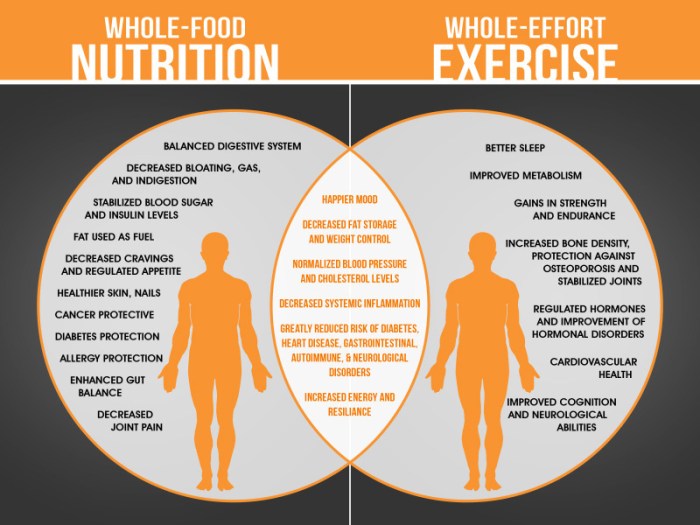
Benefits of fitness and nutrition wellness programs sets the stage for this enthralling narrative, offering readers a glimpse into a story that is rich in detail and brimming with originality from the outset. Wellness programs, herbal remedies, skin health, bone density, muscle mass, and various other aspects of holistic well-being come together to form a comprehensive guide to a healthier lifestyle.
This comprehensive overview delves into the intricate relationship between fitness, nutrition, and overall wellness, providing valuable insights and practical tips for individuals looking to enhance their quality of life through sustainable health practices.
Wellness Programs
Wellness programs are structured initiatives designed to promote overall health and well-being by focusing on aspects such as fitness and nutrition. These programs aim to support individuals in leading a healthier lifestyle through education, activities, and resources.
Examples of Popular Wellness Programs and Benefits
- The Whole30 Program: This program focuses on clean eating for 30 days to reset the body and improve overall health. Participants often report increased energy levels, weight loss, and better digestion as key benefits.
- Corporate Wellness Programs: Many companies offer wellness programs to their employees to improve productivity and reduce healthcare costs. These programs often include fitness challenges, nutrition workshops, and stress management techniques.
- Community Fitness Classes: Local community centers or gyms may offer wellness programs in the form of group fitness classes. These classes not only provide physical exercise but also create a sense of community and support among participants.
Contribution to Overall Health and Well-being
Wellness programs play a crucial role in enhancing overall health and well-being by addressing various aspects of a person’s lifestyle. By promoting regular exercise, healthy eating habits, stress management techniques, and mental well-being, these programs help individuals reduce the risk of chronic diseases, improve their physical fitness, and enhance their quality of life.
Additionally, the sense of community and support fostered in wellness programs can boost motivation and accountability, leading to long-lasting positive lifestyle changes.
Herbal Remedies
Incorporating herbal remedies into fitness and nutrition routines can offer a natural and holistic approach to overall wellness. These remedies, derived from plants, have been used for centuries for their medicinal properties and health benefits.
When used in conjunction with a balanced diet and regular exercise, herbal remedies can enhance the body’s ability to heal, boost immunity, and improve overall health and well-being. However, it is important to consult healthcare professionals before incorporating herbal remedies into your routine to ensure they are safe and effective for your individual needs.
Specific Herbs for Wellness
- Ginseng:Known for its energy-boosting properties, ginseng can improve stamina and reduce fatigue, making it ideal for enhancing athletic performance.
- Turmeric:With its powerful anti-inflammatory and antioxidant effects, turmeric can help reduce muscle soreness and inflammation after workouts.
- Garlic:Garlic is renowned for its immune-boosting properties, helping to ward off colds and infections, which is crucial for maintaining overall health during intense training.
Skin Health
Maintaining healthy skin is not only about using skincare products but also about taking care of your body from the inside out. Fitness and nutrition play a crucial role in achieving and maintaining good skin health. Here’s how they impact your skin and some tips on how to keep your skin glowing through diet and exercise.
Impact of Fitness and Nutrition on Skin Health
Regular exercise helps improve blood circulation, which delivers essential nutrients and oxygen to the skin cells. This process helps in rejuvenating the skin and promoting a healthy glow. Additionally, a balanced diet rich in vitamins, minerals, and antioxidants can help protect the skin from damage caused by free radicals, reduce inflammation, and maintain skin elasticity.
Tips for Healthy Skin through Diet and Exercise
- Eat a variety of fruits and vegetables rich in vitamins A, C, and E, as well as omega-3 fatty acids to promote skin health.
- Stay hydrated by drinking plenty of water throughout the day to help flush out toxins and keep the skin hydrated from within.
- Incorporate regular physical activity into your routine to improve blood flow and promote skin cell renewal.
- Avoid excessive consumption of processed foods, sugary drinks, and alcohol, as they can contribute to skin issues like acne and premature aging.
Role of Hydration in Promoting Good Skin Health
Proper hydration is essential for maintaining healthy skin. When the body is dehydrated, the skin can become dry, dull, and prone to wrinkles. Drinking an adequate amount of water each day helps keep the skin moisturized, improves skin tone, and flushes out toxins that can lead to skin problems.
Bone Density
Maintaining good bone density is crucial for overall health and wellness. Both fitness and nutrition play essential roles in supporting and improving bone density.Regular weight-bearing exercises such as walking, running, dancing, and strength training help stimulate bone formation and increase bone density.
These exercises put stress on the bones, prompting them to become stronger over time.In terms of nutrition, it is important to consume an adequate amount of calcium, vitamin D, and other essential nutrients that support bone health. Foods rich in calcium include dairy products, leafy greens, and fortified foods.
Vitamin D, which helps the body absorb calcium, can be obtained from sunlight exposure and certain foods like fatty fish and fortified products.
Exercises for Bone Health
- Weight-bearing exercises like walking, jogging, and jumping rope
- Strength training exercises using weights or resistance bands
- Balance exercises to improve stability and reduce the risk of falls
Dietary Choices for Bone Health
- Include calcium-rich foods like dairy, almonds, and leafy greens
- Consume foods high in vitamin D such as fatty fish, eggs, and fortified products
- Ensure an adequate intake of magnesium, phosphorus, and vitamin K for bone health
Significance of Bone Density
Maintaining optimal bone density is crucial for overall wellness as it reduces the risk of fractures, osteoporosis, and other bone-related conditions. Strong bones support proper posture, mobility, and overall physical function, contributing to a better quality of life.
Muscle Mass
Regular exercise and proper nutrition play a crucial role in building and maintaining muscle mass. Strength training, in particular, is essential for promoting muscle growth and strength. In addition to exercise, a balanced diet is necessary to provide the nutrients needed for muscle development.
Importance of Strength Training
Strength training, such as weightlifting, resistance bands, or bodyweight exercises, helps stimulate muscle growth by causing tiny tears in the muscle fibers. This damage is repaired by the body, resulting in stronger and larger muscles. Incorporating strength training into your fitness routine is key to increasing muscle mass and enhancing overall physical performance.
- Strength training helps increase muscle mass and strength.
- It boosts metabolism, aiding in weight management.
- Improves bone density and reduces the risk of osteoporosis.
- Enhances overall physical performance and functional abilities.
Consistent and progressive strength training is essential for building and maintaining muscle mass.
Dietary Strategies for Muscle Development
In order to support muscle growth, it is important to consume an adequate amount of protein, carbohydrates, and healthy fats. Protein is particularly important as it provides the building blocks (amino acids) necessary for muscle repair and growth. Carbohydrates are needed to fuel workouts and replenish glycogen stores, while healthy fats help support hormone production and overall health.
- Consume lean sources of protein such as chicken, fish, tofu, and legumes.
- Include complex carbohydrates like whole grains, fruits, and vegetables in your diet.
- Adequate hydration is crucial for muscle function and recovery.
- Consider incorporating protein shakes or supplements if needed to meet protein requirements.
Dental Care: Benefits Of Fitness And Nutrition Wellness Programs
Maintaining good oral hygiene is essential for overall health and well-being. Proper dental care not only prevents tooth decay and gum disease but also contributes to better overall health. Fitness and nutrition play a crucial role in dental health, impacting the strength of teeth and gums.
Impact of Fitness and Nutrition on Dental Health
- Regular exercise improves blood flow, which promotes healthy gums and prevents gum disease.
- A balanced diet rich in vitamins and minerals, such as calcium and vitamin C, strengthens teeth and gums.
- Drinking plenty of water helps wash away food particles and bacteria that can cause cavities.
Tips for Maintaining Good Oral Hygiene
- Brush your teeth at least twice a day and floss daily to remove plaque buildup.
- Limit sugary and acidic foods that can erode tooth enamel and cause cavities.
- Include crunchy fruits and vegetables in your diet to naturally clean teeth and stimulate saliva production.
Connection Between Oral Health and Overall Well-being
Maintaining good oral health is not just about having a bright smile; it is also linked to overall well-being. Poor dental health has been associated with various health conditions, including heart disease, diabetes, and respiratory infections. By taking care of your teeth and gums through proper fitness and nutrition, you can improve your overall health and quality of life.
Eye Health
Maintaining healthy eyes is essential for overall well-being. Fitness and nutrition play a crucial role in supporting good vision and eye health. By incorporating specific nutrients and exercises into your lifestyle, you can promote optimal eye function and reduce the risk of vision problems.
Nutrients for Eye Health
- Vitamin A: Found in carrots, sweet potatoes, and spinach, vitamin A is essential for maintaining good eyesight.
- Omega-3 fatty acids: Sources include fatty fish like salmon, walnuts, and flaxseeds, which help protect against dry eyes and macular degeneration.
- Lutein and zeaxanthin: These antioxidants can be found in leafy greens, eggs, and corn, and help filter harmful blue light and reduce the risk of cataracts.
Exercises for Good Vision
- Eye rotations: Slowly move your eyes in a circular motion, clockwise and counterclockwise, to improve eye muscle strength and flexibility.
- Focusing exercises: Hold a pen at arm’s length and slowly bring it towards your nose, then back out again, to enhance focus and coordination.
- Blinking: Regularly blink your eyes quickly for a few seconds to refresh and lubricate your eyes, reducing strain from screen time and dry environments.
- Aim to incorporate aerobic exercise into your routine at least three times a week to improve blood flow to the brain and boost cognitive function.
- Include brain-boosting foods in your diet such as fatty fish, leafy greens, berries, nuts, and seeds to support brain health and mental clarity.
- Stay hydrated throughout the day as dehydration can impair cognitive function and lead to brain fog.
- Get an adequate amount of quality sleep each night to allow your brain to rest and consolidate memories, leading to improved mental clarity the next day.
- Practice stress-reducing techniques like meditation, deep breathing exercises, or yoga to promote relaxation and mental focus.
- Yoga: Practicing yoga helps improve flexibility and strengthen the muscles supporting the joints.
- Swimming: Low-impact exercises like swimming are gentle on the joints while promoting flexibility.
- Stretching: Incorporating regular stretching exercises can enhance joint mobility and reduce stiffness.
- Fatty Fish: Rich in omega-3 fatty acids, fish like salmon and mackerel can reduce inflammation in the joints.
- Leafy Greens: Vegetables like spinach and kale are high in antioxidants that help protect joint tissues.
- Nuts and Seeds: Walnuts, chia seeds, and flaxseeds provide essential nutrients for joint health, such as omega-3s and vitamin E.
- Aim to include a variety of fiber-rich foods in your diet such as fruits, vegetables, whole grains, and legumes. Fiber helps regulate bowel movements and promotes a healthy gut microbiome.
- Stay hydrated by drinking an adequate amount of water throughout the day. Water is essential for digestion and helps soften stool for easier elimination.
- Avoid processed foods high in sugar, salt, and unhealthy fats, as they can disrupt the balance of good bacteria in the gut and lead to digestive issues.
- Incorporate probiotic-rich foods like yogurt, kefir, sauerkraut, and kimchi into your diet to support a healthy balance of gut bacteria.
- Practice mindful eating by chewing your food thoroughly and eating at a relaxed pace. This aids in proper digestion and nutrient absorption.
- Engage in regular physical activity to promote healthy digestion and reduce constipation. Exercise helps stimulate the muscles of the digestive tract.
- Manage stress levels through techniques like deep breathing, meditation, or yoga. Stress can negatively impact digestion, so finding ways to relax is important.
- Avoid smoking and excessive alcohol consumption, as they can irritate the digestive system and contribute to digestive disorders.
- Hydrate: Drinking plenty of water helps flush out toxins and supports the body’s natural detoxification processes.
- Eat Clean: Consuming a diet rich in fruits, vegetables, and whole grains provides essential nutrients that aid in detoxification.
- Exercise Regularly: Physical activity helps sweat out toxins and improves circulation, promoting detoxification.
- Limit Alcohol and Caffeine: These substances can hinder the body’s detox efforts, so it’s important to consume them in moderation.
- Get Sufficient Sleep: Adequate rest allows the body to repair and detoxify during the night.
- Aim to engage in moderate-intensity exercise for at least 30 minutes most days of the week.
- Reduce sodium intake by avoiding processed foods and opting for fresh ingredients when cooking.
- Include potassium-rich foods like bananas, sweet potatoes, and spinach in your diet to help regulate blood pressure.
- Maintain a healthy weight through a combination of regular physical activity and a balanced diet.
- Avoid smoking and limit alcohol consumption to help manage blood pressure levels.
- Exercise helps strengthen the heart muscle, making it more efficient at pumping blood. This can lead to a lower resting heart rate.
- A diet rich in fruits, vegetables, whole grains, and lean proteins provides essential nutrients that support heart health and can help regulate heart rate.
- Maintaining a healthy weight through proper nutrition and regular exercise can reduce the strain on the heart, leading to a more stable heart rate.
- Regular exercise can improve heart rate variability, which is the variation in time between each heartbeat. This is a sign of a healthy heart and can be influenced by factors like fitness level and stress.
- A diet high in antioxidants and omega-3 fatty acids can help reduce inflammation and oxidative stress, leading to better heart rate variability.
- Hydration is also important, as dehydration can increase heart rate and affect variability.
- Incorporate aerobic exercises like running, cycling, or swimming into your routine to strengthen the heart and improve heart rate.
- Practice relaxation techniques such as deep breathing, meditation, or yoga to reduce stress and promote a more stable heart rate.
- Monitor your heart rate during exercise to ensure you are working at an appropriate intensity for optimal cardiovascular benefits.
- Blood Pressure: Regular monitoring of blood pressure levels can help in identifying hypertension, a major risk factor for heart disease and stroke.
- Cholesterol Levels: Checking cholesterol levels can provide insights into the risk of heart disease and stroke.
- Blood Sugar: Screening for blood sugar levels is essential in diagnosing diabetes and managing the condition effectively.
- Body Mass Index (BMI): Calculating BMI helps in assessing weight status and the risk of obesity-related health conditions.
- Live Attenuated Vaccines: These vaccines contain weakened forms of the virus or bacteria, stimulating a strong immune response and providing long-lasting immunity. Examples include measles, mumps, rubella (MMR) vaccine.
- Inactivated Vaccines: These vaccines use killed pathogens to stimulate an immune response. They are safe for individuals with weakened immune systems. Examples include the flu shot.
- Subunit, Recombinant, Polysaccharide, and Conjugate Vaccines: These vaccines use specific parts of the virus or bacteria to trigger an immune response. They are effective and safe. Examples include the hepatitis B vaccine.
- Regular Exercise: Engaging in physical activity such as walking, jogging, or yoga helps improve cardiovascular health, boost mood, and increase energy levels.
- Balanced Diet: Consuming a variety of nutrient-rich foods like fruits, vegetables, whole grains, and lean proteins supports overall health and provides essential vitamins and minerals.
- Adequate Hydration: Drinking enough water throughout the day helps maintain proper bodily functions, improve digestion, and keep the skin hydrated.
- Sleep Hygiene: Establishing a consistent sleep schedule and practicing good sleep hygiene promotes restful sleep, enhances cognitive function, and supports immune health.
- Stress Management: Incorporating stress-reducing activities such as meditation, deep breathing exercises, or hobbies can help lower stress levels and improve mental well-being.
- Improved metabolism and weight management
- Enhanced mood and reduced stress levels
- Optimized reproductive health
- Better sleep quality and energy levels
- Include lean proteins, healthy fats, and fiber in your diet
- Engage in regular physical activity, including both cardio and strength training
- Manage stress through relaxation techniques like meditation or yoga
- Get enough sleep to support hormone production and regulation
- Personalized Guidance: Health coaches tailor their advice and recommendations to meet the unique needs and preferences of each individual.
- Accountability: Regular check-ins and support from a health coach help individuals stay on track and motivated towards their health goals.
- Educational Support: Health coaches provide valuable information on nutrition, exercise, and lifestyle choices to empower individuals to make informed decisions.
- Motivation and Encouragement: Health coaches offer encouragement and support to help individuals overcome challenges and setbacks along their wellness journey.
- Setting fitness goals provides direction and purpose to your workouts, ensuring that you are working towards specific targets rather than aimlessly exercising.
- Achieving fitness goals can boost self-confidence and self-esteem, as reaching milestones and seeing progress can be incredibly rewarding.
- Having clear goals helps individuals stay accountable and committed to their fitness journey, even when faced with challenges or setbacks.
- Setting fitness goals creates a sense of accountability, as individuals are more likely to stick to their routines when they have specific targets to achieve.
- Achieving smaller goals along the way can provide a sense of accomplishment and motivation to continue progressing towards larger goals.
- Tracking progress towards fitness goals allows individuals to see tangible results, which can be highly motivating and encouraging.
- Start by setting specific, measurable, attainable, relevant, and time-bound (SMART) goals that align with your fitness aspirations.
- Consider your current fitness level, lifestyle, and schedule when setting goals to ensure they are realistic and achievable.
- Break down larger fitness goals into smaller milestones to track progress and stay motivated along the way.
- Adjust your goals as needed based on your progress, setbacks, and changing circumstances to maintain sustainability in your fitness journey.
- Set aside time each week to plan your meals: By taking the time to plan out your meals for the week, you can ensure you have all the necessary ingredients on hand and avoid unhealthy last-minute food choices.
- Focus on balanced meals: Aim to include a variety of food groups in each meal, such as lean proteins, whole grains, fruits, and vegetables, to ensure you are getting a wide range of nutrients.
- Prepare meals in advance: Consider batch cooking or preparing meals in advance to save time during the week and prevent the temptation of ordering takeout or eating convenience foods.
- Listen to your body: Pay attention to your hunger and fullness cues to avoid overeating or undereating, and adjust your meal sizes accordingly.
- Improved energy levels: Eating a well-balanced diet can help stabilize blood sugar levels and provide a steady source of energy throughout the day.
- Weight management: By consuming a variety of nutrient-dense foods, individuals can better manage their weight and support their overall health.
- Enhanced mood and mental clarity: Proper nutrition can positively impact mood and cognitive function, leading to improved mental well-being.
- Reduced risk of chronic diseases: A diet rich in fruits, vegetables, whole grains, and lean proteins can help reduce the risk of developing chronic diseases such as heart disease, diabetes, and certain cancers.
- Vitamin D: Supports bone health and immune function.
- Omega-3 fatty acids: Promotes heart health and reduces inflammation.
- Probiotics: Improves gut health and digestion.
- Multivitamins: Ensures overall nutrient intake and fills gaps in diet.
- Enhanced Oxygen Flow: Deep breathing exercises help increase the amount of oxygen that reaches our cells, promoting better overall health and vitality.
- Stress Reduction: Mindful breathing can help calm the nervous system, reduce cortisol levels, and alleviate feelings of anxiety and tension.
- Improved Mental Clarity: By practicing breathing exercises, we can enhance focus, concentration, and cognitive function.
- Promotes Relaxation: Deep breathing techniques signal the body to relax, leading to a sense of calm and tranquility.
- Lower Risk of Heart Disease: Regular exercise and a heart-healthy diet can help reduce cholesterol levels and lower blood pressure, reducing the risk of heart disease.
- Prevention of Type 2 Diabetes: Maintaining a healthy weight through proper nutrition and regular exercise can help prevent the onset of type 2 diabetes.
- Reduced Risk of Cancer: A healthy lifestyle that includes physical activity and a diet high in fruits and vegetables can lower the risk of certain types of cancer.
- Improved Immune Function: Proper nutrition and regular exercise can boost the immune system, making the body better equipped to fight off infections and diseases.
- Engaging in low-impact exercises like swimming or yoga can help reduce joint pain and stiffness.
- Consuming foods high in omega-3 fatty acids, like salmon and walnuts, can help decrease inflammation and alleviate pain.
- Staying hydrated by drinking an adequate amount of water daily can also help in managing pain by keeping the body’s cells and tissues healthy.
- Practicing mindfulness and meditation techniques to reduce stress and improve pain tolerance.
- Using heat and cold therapy, such as ice packs or heating pads, to alleviate muscle soreness and joint pain.
- Incorporating herbal remedies like turmeric, ginger, and peppermint for their anti-inflammatory and pain-relieving properties.
- Resilience enables us to bounce back from setbacks and failures, fostering a growth mindset that promotes personal development and learning.
- It enhances our ability to cope with stress, reducing the negative impact of stress on our mental and physical health.
- Having strong mental resilience can improve our self-esteem, confidence, and overall well-being, leading to better relationships and increased success in various areas of life.
- Physical activity releases endorphins, also known as “feel-good” hormones, which can help reduce feelings of anxiety and depression, promoting a positive mood and overall mental well-being.
- A balanced diet rich in essential nutrients, such as omega-3 fatty acids, antioxidants, and vitamins, supports brain health and cognitive function, enhancing our ability to cope with stress and challenges.
- Proper nutrition and hydration are essential for maintaining energy levels, focus, and concentration, which are crucial for building mental strength and resilience.
- Practice mindfulness and relaxation techniques, such as meditation and deep breathing exercises, to reduce stress and promote mental clarity.
- Set realistic goals, prioritize tasks, and develop problem-solving skills to build confidence and resilience in the face of obstacles.
- Seek social support, connect with others, and cultivate positive relationships to enhance emotional resilience and well-being.
Mental Clarity
Maintaining mental clarity is crucial for overall well-being, productivity, and quality of life. Fitness and nutrition play a significant role in enhancing cognitive function and promoting mental sharpness.
Exercise and physical activity have been shown to boost brain function by increasing blood flow to the brain, promoting the growth of new brain cells, and reducing inflammation. Regular exercise also helps release endorphins, which are neurotransmitters that improve mood and reduce stress, ultimately contributing to better mental clarity.
A balanced diet rich in nutrients such as omega-3 fatty acids, antioxidants, vitamins, and minerals is essential for brain health. These nutrients help protect brain cells from damage, support neurotransmitter function, and improve cognitive abilities like memory and focus.
Tips for Improving Mental Clarity
Joint Flexibility
Regular fitness and nutrition play a significant role in maintaining joint flexibility, which is essential for overall physical well-being. Flexible joints allow for a wider range of motion, reduce the risk of injuries, and improve posture.
Exercises for Joint Health
Foods for Joint Health
Importance of Flexibility
Maintaining flexibility in the joints is crucial for overall physical wellness as it allows for smooth movement, prevents stiffness, and reduces the risk of falls or injuries. Flexibility also promotes better posture, enhances athletic performance, and supports joint health in the long term.
Digestive Health
Maintaining good digestive health is essential for overall well-being and can be greatly influenced by fitness and nutrition choices. A healthy digestive system allows the body to properly absorb nutrients, eliminate waste, and support the immune system. Here, we will explore the connection between fitness, nutrition, and digestive health, as well as provide tips for improving digestion through lifestyle changes.
Dietary Habits for Digestive Health
Tips for Improving Digestion Through Lifestyle Changes
Detox Process
Detoxification is a crucial process that helps rid the body of harmful toxins and promotes overall health and well-being. Fitness and nutrition play a key role in supporting the body’s natural detox processes.
Benefits of Detoxing
Detoxing can lead to a wide range of benefits for the body, including improved energy levels, better digestion, clearer skin, and enhanced mental clarity. By eliminating toxins, the body can function more efficiently, leading to a stronger immune system and reduced inflammation.
Ways to Detoxify Through Diet and Exercise
Blood Pressure
Maintaining healthy blood pressure levels is crucial for overall wellness. High blood pressure can lead to serious health issues such as heart disease, stroke, and kidney problems. Fitness and nutrition play a significant role in managing blood pressure effectively.
Impact of Fitness and Nutrition
Regular exercise and a balanced diet can help lower blood pressure levels. Physical activity strengthens the heart, allowing it to pump blood more efficiently, which in turn helps to reduce the pressure on the walls of the arteries. Additionally, a diet rich in fruits, vegetables, whole grains, and lean proteins can support overall cardiovascular health and contribute to maintaining a healthy blood pressure.
Tips for Healthy Blood Pressure
Importance of Managing Blood Pressure
Managing blood pressure is essential for overall wellness as it reduces the risk of developing cardiovascular diseases and other related health issues. By making lifestyle choices that support healthy blood pressure levels, individuals can enhance their quality of life and reduce the likelihood of experiencing serious health complications in the future.
Heart Rate
Regular physical activity and a balanced diet play a crucial role in maintaining a healthy heart rate. By incorporating fitness and nutrition wellness programs into your lifestyle, you can positively impact your heart rate and overall cardiovascular health.
Relationship Between Fitness, Nutrition, and Heart Rate
Exercise and Diet Influence on Heart Rate Variability
Strategies for Improving Heart Rate for Better Cardiovascular Health
Health Screenings
Regular health screenings are a crucial component of wellness programs as they help individuals detect potential health issues early on, allowing for timely intervention and prevention.
Common Health Screenings
Vaccination Programs
Vaccination programs play a crucial role in promoting wellness by preventing the spread of infectious diseases and protecting individuals from potentially serious health complications. Vaccines are designed to stimulate the immune system to produce antibodies against specific pathogens, providing immunity without causing the disease itself.
Types of Vaccines and Benefits
Vaccines not only protect individuals who receive them but also contribute to herd immunity, reducing the overall risk of disease transmission within communities.
Healthy Habits
Maintaining healthy habits is crucial for overall well-being as it contributes to a better quality of life and reduces the risk of various health issues. By incorporating healthy habits into daily routines, individuals can improve their physical, mental, and emotional health.
Examples of Healthy Habits:
Benefits of Small Changes in Daily Routines:
Even small changes in daily routines can have a significant impact on overall health. For example, opting for stairs instead of the elevator, choosing a piece of fruit over a sugary snack, or taking short breaks to stretch during long periods of sitting can all contribute to better health outcomes.
These simple adjustments can gradually improve fitness levels, enhance nutritional intake, and promote a healthier lifestyle over time.
Balanced Hormones
Having balanced hormones is crucial for overall health and wellness. Hormones play a key role in regulating various bodily functions, including metabolism, mood, and reproductive health. Fitness and nutrition have a significant impact on hormone balance in the body.
Influence of Fitness and Nutrition on Hormone Balance
Fitness and nutrition can directly influence hormone levels in the body. Regular exercise helps in regulating insulin levels, reducing cortisol (stress hormone) levels, and promoting the production of endorphins (feel-good hormones). A nutritious diet rich in essential nutrients like omega-3 fatty acids, vitamin D, and antioxidants can support hormone balance.
Impact of Balanced Hormones on Health and Wellness
Tips for Optimizing Hormone Levels
Health Coaching
Health coaching plays a crucial role in fitness and nutrition wellness programs by providing personalized guidance and support to individuals on their health journey. Health coaches are trained professionals who work with clients to set achievable goals, create actionable plans, and offer continuous motivation and accountability.
Benefits of Working with a Health Coach
How Health Coaching Supports Individuals
Health coaching can support individuals in achieving their health goals by providing a structured approach to wellness, creating a supportive environment for behavior change, and helping individuals address barriers to success. By working closely with a health coach, individuals can gain the knowledge, skills, and confidence needed to make lasting changes to their health habits and lifestyle.
Fitness Goals
Setting fitness goals is crucial for individuals looking to improve their overall health and well-being. By establishing clear and achievable objectives, individuals can stay focused, track their progress, and ultimately maintain motivation to continue with their fitness routines.
Importance of Setting and Achieving Fitness Goals
How Goal Setting Can Motivate Individuals, Benefits of fitness and nutrition wellness programs
Tips for Creating Realistic and Sustainable Fitness Goals
Diet Planning
Maintaining a healthy diet is crucial for overall wellness, and meal planning plays a significant role in achieving this goal. By carefully selecting and preparing meals in advance, individuals can ensure they are getting the necessary nutrients for their bodies to function optimally.
Strategies for Effective Meal Prep and Planning
Benefits of a Well-Balanced Diet
Health Supplements
Health supplements play a crucial role in complementing fitness and nutrition by providing essential nutrients that may be lacking in our diets. They can help bridge the gap and support overall health and wellness.
Common Supplements and Benefits
Choosing Quality Supplements
When selecting supplements, it’s important to look for third-party tested products to ensure quality and purity. Checking for certifications and choosing reputable brands can help in achieving optimal health outcomes.
Breathing Techniques
Proper breathing techniques play a crucial role in enhancing fitness and overall wellness. By focusing on our breath, we can improve oxygen flow, reduce stress, and promote relaxation.
Benefits of Proper Breathing Techniques
Remember to take slow, deep breaths in through your nose, allowing your belly to expand, and exhale slowly through your mouth to fully release tension.
Disease Prevention
Regular physical activity and a balanced diet rich in essential nutrients play a crucial role in preventing various diseases. By maintaining a healthy lifestyle, individuals can significantly reduce their risk of developing chronic conditions and improve overall well-being.
Benefits of Disease Prevention through Fitness and Nutrition
Importance of Proactive Measures in Disease Prevention
Prevention is always better than cure.
Taking proactive steps to maintain a healthy lifestyle through fitness and nutrition not only reduces the risk of developing diseases but also leads to overall better health and longevity. By making healthy choices today, individuals can prevent future health issues and enjoy a higher quality of life.
Pain Management
Fitness and nutrition play a crucial role in managing pain effectively. By incorporating exercise and a balanced diet into your lifestyle, you can significantly reduce chronic pain and improve your overall well-being.
Impact of Exercise and Diet
Regular physical activity, such as strength training and aerobic exercises, can help alleviate pain by strengthening muscles, improving flexibility, and promoting blood circulation. Additionally, a diet rich in anti-inflammatory foods, such as fruits, vegetables, whole grains, and healthy fats, can reduce inflammation in the body, which is often a leading cause of chronic pain.
Natural Pain Management Strategies
In addition to exercise and diet, there are various natural pain management strategies that can promote overall wellness and reduce the need for medication. These include:
Holistic Treatments
Holistic treatments play a vital role in wellness programs by addressing the individual as a whole, focusing on physical, mental, emotional, and spiritual well-being. These treatments aim to restore balance and harmony within the body, promoting overall health and wellness.
Holistic Approaches in Wellness Programs
Holistic approaches in wellness programs integrate fitness, nutrition, and alternative therapies to provide a comprehensive and personalized approach to health. Examples of holistic treatments include acupuncture, yoga, meditation, aromatherapy, and massage therapy. These therapies work together to enhance the body’s natural healing abilities, reduce stress, improve sleep quality, and boost immunity.
Holistic Healing Philosophy
The holistic healing philosophy emphasizes the interconnectedness of the mind, body, and spirit, viewing health as a dynamic and ever-changing state influenced by various factors. By addressing the root causes of illness and imbalance, holistic treatments aim to promote self-healing and empower individuals to take control of their health.
This approach considers the individual’s unique needs and preferences, resulting in personalized treatment plans that support overall well-being.
Mental Resilience
Mental resilience refers to our ability to adapt and bounce back from challenges, stress, and adversity. It plays a crucial role in maintaining overall well-being and emotional stability.
Importance of Mental Resilience
Building mental resilience is essential for navigating life’s ups and downs effectively. It can help us cope with setbacks, manage stress, and maintain a positive outlook even in difficult situations. Individuals with high levels of mental resilience are better equipped to handle challenges, maintain good mental health, and thrive in various aspects of life.
Fitness and Nutrition Support for Mental Resilience
Engaging in regular exercise and maintaining a nutritious diet can significantly contribute to building mental resilience.
Strategies for Building Mental Strength
Building mental strength involves developing coping mechanisms and strategies to navigate challenges effectively.
Conclusion
In conclusion, the benefits of fitness and nutrition wellness programs extend far beyond physical appearance, encompassing mental clarity, disease prevention, and overall vitality. By incorporating these practices into daily routines, individuals can embark on a transformative journey towards a healthier and happier life.
FAQs
How do wellness programs contribute to overall health and well-being?
Wellness programs promote healthy habits, provide support for individuals to achieve their fitness goals, and focus on holistic well-being, leading to improved overall health and vitality.
What are some examples of popular wellness programs and their benefits?
Popular wellness programs include fitness challenges, nutritional counseling, stress management workshops, and mindfulness sessions, all of which contribute to physical, mental, and emotional well-being.
How can fitness and nutrition impact skin health?
Fitness and nutrition play a crucial role in skin health by promoting collagen production, reducing inflammation, and supporting overall skin regeneration, resulting in a clear and radiant complexion.
Why is it important to consult healthcare professionals before using herbal remedies?
Healthcare professionals can provide personalized advice, ensure safe usage of herbal remedies, and prevent potential interactions with medications or existing health conditions.
What role does hydration play in promoting good skin health?
Hydration is essential for maintaining skin elasticity, preventing dryness, and flushing out toxins, contributing to a healthy and glowing complexion.




![Government-funded vaccination programs in [your country]](https://bloodlpressure.info/wp-content/uploads/2024/07/24808-300x300.jpeg)