
Benefits of mindfulness practices for healthy habits are essential for enhancing overall wellness and promoting a balanced lifestyle. By incorporating mindfulness techniques into daily routines, individuals can cultivate healthy habits that positively impact their physical, mental, and emotional well-being. Let’s explore how mindfulness practices can transform your habits and improve your quality of life.
In the following sections, we will delve into the benefits of mindfulness practices for various aspects of health, including physical fitness, mental clarity, and emotional resilience. From skin health to joint flexibility, we will uncover how mindfulness can play a significant role in supporting your journey towards a healthier lifestyle.
Benefits of Mindfulness Practices for Healthy Habits
Mindfulness practices play a crucial role in promoting healthy habits by increasing self-awareness, reducing stress, and enhancing overall well-being. These practices involve focusing on the present moment without judgment, which can lead to positive changes in behavior and lifestyle choices.
Mindfulness Techniques for Improved Wellness
- Deep Breathing: Engaging in deep breathing exercises can help reduce stress levels, calm the mind, and improve focus.
- Body Scan Meditation: This technique involves mentally scanning your body for any tension or discomfort and releasing it, promoting relaxation and physical well-being.
- Mindful Eating: Paying attention to the sensations, flavors, and textures of food can help prevent overeating and promote healthier eating habits.
- Yoga: Combining mindfulness with physical movement through yoga can improve flexibility, strength, and mental clarity.
Impact of Mindfulness on Healthy Lifestyle
Mindfulness practices have been shown to have a significant impact on maintaining a healthy lifestyle by reducing the risk of chronic diseases, improving sleep quality, and enhancing emotional resilience. By cultivating mindfulness, individuals can make better choices that support their physical, mental, and emotional well-being.
Wellness Programs
Wellness programs play a crucial role in supporting mindfulness practices by providing structured frameworks and resources to promote overall well-being. These programs often combine physical, mental, and emotional health components to help individuals cultivate healthy habits and reduce stress.
Types of Wellness Programs Incorporating Mindfulness
- Corporate Wellness Programs: Many companies offer wellness initiatives that include mindfulness workshops, yoga classes, and meditation sessions to improve employee health and productivity.
- Community-based Wellness Programs: Local organizations and community centers organize wellness programs that incorporate mindfulness practices to enhance the overall health of residents.
- Online Wellness Platforms: Virtual wellness programs provide accessible resources for individuals to engage in mindfulness practices from the comfort of their own homes.
Examples of Successful Wellness Programs
- Google’s Search Inside Yourself Program:Google’s wellness initiative incorporates mindfulness practices such as meditation and emotional intelligence training to promote employee well-being and resilience.
- Headspace for Work:Headspace, a popular mindfulness app, offers corporate wellness programs to help employees manage stress, improve focus, and develop healthy habits both in and out of the workplace.
- Yoga in the Park:Community-based wellness programs like “Yoga in the Park” bring together individuals to practice mindfulness through yoga sessions in outdoor settings, fostering a sense of community and well-being.
Herbal Remedies
Integrating herbal remedies with mindfulness practices can enhance the overall impact on healthy habits. These natural remedies provide a holistic approach to well-being by supporting physical, mental, and emotional health.
Benefits of Using Herbal Remedies for Overall Well-being
Herbal remedies offer a range of benefits that contribute to overall well-being. They are often rich in antioxidants, vitamins, and minerals that support the body’s immune system and promote vitality. Additionally, many herbs have anti-inflammatory properties that can help reduce stress and improve mood, aligning perfectly with the goals of mindfulness practices.
Specific Herbs for Promoting Healthy Habits
- Turmeric:Known for its anti-inflammatory and antioxidant properties, turmeric can help reduce inflammation in the body and support joint health.
- Lavender:This herb is commonly used to promote relaxation and reduce anxiety. Incorporating lavender into mindfulness practices can enhance the calming effects of meditation and deep breathing exercises.
- Ginger:Ginger is a versatile herb that can aid digestion, reduce nausea, and support immune function. It can be beneficial for maintaining a healthy gut, which is essential for overall well-being.
- Chamomile:Chamomile is well-known for its calming properties and is often used to promote better sleep. Including chamomile in your routine can help improve sleep quality and overall mental health.
- Peppermint:Peppermint is refreshing and invigorating, making it a great herb for boosting energy and focus. It can also aid in digestion and alleviate symptoms of indigestion or bloating.
Skin Health
Mindfulness practices have a significant impact on skin health, as our mental and emotional states can directly affect our skin condition and appearance.
Connection between Mindfulness and Skin Health
- Mindfulness reduces stress levels, which can help alleviate skin conditions such as acne, eczema, and psoriasis that are often triggered or worsened by stress.
- Practicing mindfulness promotes better sleep, allowing the skin to repair and regenerate during the night, resulting in a healthier complexion.
- By being mindful of our thoughts and emotions, we can prevent habits like picking at our skin or neglecting proper skincare routines, leading to improved skin health.
Mindfulness-Integrated Skincare Routines
- Start and end your day with a mindful skincare routine, focusing on each step and being present in the moment.
- Use skincare products with calming scents like lavender or chamomile to enhance the relaxation and mindfulness experience.
- Practice facial massages or gentle yoga poses while applying skincare products to promote circulation and relaxation for glowing skin.
Bone Density
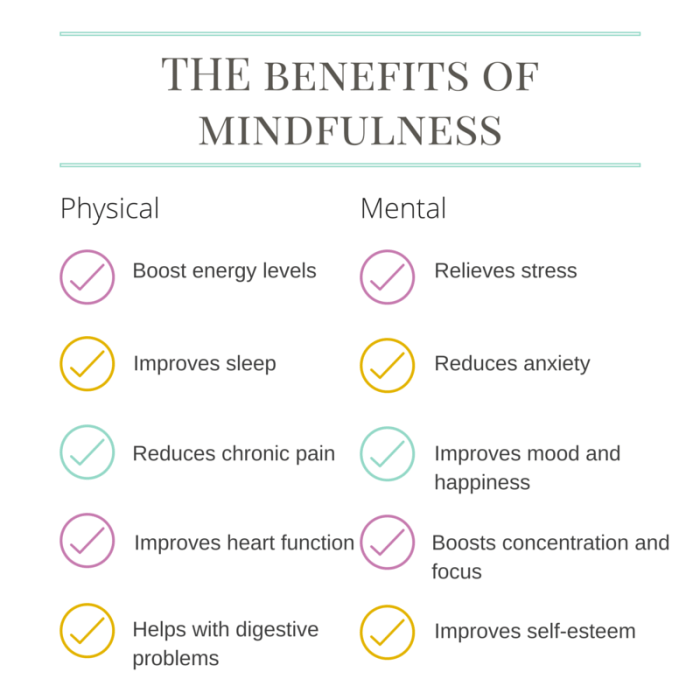
Maintaining strong bone density is crucial for overall health and wellness. Mindfulness practices can play a significant role in supporting bone health by reducing stress levels and promoting relaxation, which in turn can help in preserving bone density.
Mindfulness Exercises for Bone Health
- Body Scan Meditation: This practice involves focusing on different parts of the body, including the bones, to promote awareness and relaxation.
- Yoga: Certain yoga poses and sequences can help in strengthening the bones and improving balance, which is important for preventing falls and fractures.
- Breathing Techniques: Deep breathing exercises can reduce stress and anxiety, which are known to have negative effects on bone density.
Muscle Mass
Mindfulness practices can have a significant impact on muscle mass by promoting overall well-being and optimizing physical performance. The mind-body connection cultivated through mindfulness techniques plays a crucial role in muscle recovery, growth, and maintenance.
Mindfulness in Muscle Recovery and Growth
Mindfulness practices such as deep breathing, meditation, and visualization can aid in muscle recovery by reducing stress levels and promoting relaxation. When the body is in a state of calmness, it can focus its resources on repairing and rebuilding muscle tissues that have been stressed during exercise.
Additionally, mindfulness helps to improve sleep quality, which is essential for muscle recovery and growth.
Mindful Approaches to Exercise for Building Muscle Mass
- Focus on the present moment during workouts to enhance mind-muscle connection and optimize muscle engagement.
- Practice mindful breathing techniques to improve oxygen flow to muscles and enhance endurance during strength training exercises.
- Engage in mindful stretching before and after workouts to prevent injuries and promote flexibility, which is essential for muscle growth.
- Listen to your body’s signals during exercise to avoid overtraining and promote muscle recovery.
- Incorporate mindful movement practices such as yoga or tai chi to improve balance, coordination, and overall muscle function.
Dental Care
Mindfulness plays a crucial role in maintaining good dental health by promoting awareness of oral hygiene practices and reducing stress-related issues that can impact the mouth and teeth.
Importance of Mindfulness in Dental Health
Practicing mindfulness can help individuals pay closer attention to their daily dental care routines, such as brushing and flossing, leading to improved oral hygiene and preventing dental problems.
Mindfulness also helps reduce stress, which can contribute to teeth grinding, jaw clenching, and other stress-related dental issues. By managing stress through mindfulness techniques like deep breathing and meditation, individuals can protect their dental health.
Being mindful of your dental care can lead to healthier teeth and gums, while reducing the risk of stress-induced dental problems.
Tips for Incorporating Mindfulness into Daily Dental Care
- Practice mindful brushing and flossing by focusing on the sensations and movements involved in cleaning your teeth.
- Set aside dedicated time for oral hygiene routines and avoid rushing through them to ensure thorough cleaning.
- Use mindfulness techniques like deep breathing or body scan meditation to relax before and after dental appointments.
- Avoid clenching or grinding your teeth by staying mindful of stress triggers and practicing relaxation techniques to manage stress effectively.
Eye Health
Mindfulness practices can have a positive impact on eye health by promoting relaxation and reducing strain and fatigue in the eyes. This can help prevent issues such as dry eyes, blurred vision, and headaches that are often associated with prolonged screen time or other activities that strain the eyes.
Reducing Eye Strain and Fatigue
- Practice the 20-20-20 rule: Every 20 minutes, look at something 20 feet away for at least 20 seconds to give your eyes a break from screen time.
- Focus on blinking regularly to keep your eyes moisturized and prevent dryness.
- Avoid staring at screens in dark or overly bright environments to reduce eye strain.
Eye Exercises for Healthy Vision
- Palming: Rub your palms together to generate heat and place them gently over your closed eyes. Breathe deeply and relax for a few minutes to soothe tired eyes.
- Eye rotations: Slowly move your eyes in a circular motion, first clockwise and then counterclockwise, to improve flexibility and circulation in the eye muscles.
- Focusing exercises: Hold a pen at arm’s length and focus on the tip as you slowly bring it closer to your nose. This can help strengthen eye muscles and improve focus.
Mental Clarity
Mindfulness practices play a crucial role in enhancing mental clarity by helping individuals focus their attention on the present moment without judgment.
Effects of Mindfulness on Concentration and Cognitive Function, Benefits of mindfulness practices for healthy habits
Mindfulness has been shown to improve concentration and cognitive function by training the mind to stay present and reduce distractions. This leads to better decision-making, problem-solving, and overall mental performance.
- Mindfulness meditation: Regular practice of mindfulness meditation can help increase attention span and focus, leading to improved concentration.
- Breathing exercises: Deep breathing techniques incorporated in mindfulness practices can calm the mind and enhance cognitive function.
- Body scans: Mindfulness body scans can help individuals become more aware of their physical sensations, leading to better focus and mental clarity.
Joint Flexibility
Mindfulness practices can have a positive impact on joint flexibility by promoting awareness of body movements and sensations. This increased awareness can help prevent joint stiffness and improve overall mobility, leading to better flexibility in the joints.
Mindful Movements for Enhancing Joint Flexibility
- Yoga: Practicing yoga poses mindfully can help increase joint flexibility by gently stretching and strengthening the muscles around the joints.
- Tai Chi: This gentle form of martial arts focuses on slow, flowing movements that can improve balance, flexibility, and range of motion in the joints.
- Stretching: Mindfully stretching different muscle groups can help release tension, improve circulation, and enhance joint mobility.
Digestive Health
Mindfulness practices can have a positive impact on digestive health by helping individuals become more aware of their eating habits, making healthier food choices, and reducing stress levels that can contribute to digestive issues.
Connection Between Mindfulness, Stress, and Digestive Issues
Stress has been linked to various digestive problems such as irritable bowel syndrome (IBS), acid reflux, and stomach ulcers. Mindfulness practices, such as deep breathing exercises and meditation, can help reduce stress levels, leading to improved digestive health.
- Practicing mindfulness can help individuals tune into their body’s signals of hunger and fullness, leading to better portion control and reduced overeating, which can alleviate digestive discomfort.
- Mindful eating involves paying attention to the taste, texture, and smell of food, chewing slowly, and savoring each bite. This can aid in proper digestion and nutrient absorption.
- Being present during meals and avoiding distractions like smartphones or television can prevent mindless eating and promote mindful food choices, supporting overall gut health.
Detox Process
Mindfulness practices can play a crucial role in supporting the body’s natural detox processes. By cultivating awareness of our thoughts, emotions, and physical sensations, we can enhance our body’s ability to eliminate toxins and promote overall well-being.
Role of Mindfulness in Promoting Toxin Elimination
- Reducing Stress: Mindfulness practices such as meditation and deep breathing can help lower stress levels, which in turn can support the body’s detoxification process. High stress levels can impair the body’s ability to eliminate toxins efficiently.
- Enhancing Sleep Quality: Quality sleep is essential for the body to detoxify effectively. Mindfulness techniques can improve sleep quality, allowing the body to undergo crucial detox processes during the night.
- Promoting Healthy Eating Habits: Mindful eating practices encourage us to be more aware of what we consume, leading to healthier food choices that support detoxification.
Tips for Incorporating Mindfulness Practices into a Detox Routine
- Start with Meditation: Begin your day with a short meditation session to set a positive tone for the day and enhance your overall mindfulness.
- Practice Deep Breathing: Incorporate deep breathing exercises throughout the day to reduce stress levels and support toxin elimination.
- Mindful Movement: Engage in mindful movement practices such as yoga or tai chi to promote circulation and lymphatic drainage, aiding in detoxification.
Blood Pressure
Mindfulness practices have been shown to have a positive impact on blood pressure regulation. By incorporating mindfulness techniques into daily routines, individuals can potentially lower high blood pressure and support cardiovascular health.
Mindfulness Techniques for Blood Pressure Management
- Deep breathing exercises: Practicing deep, intentional breathing can help calm the mind and reduce stress, which in turn can help lower blood pressure.
- Meditation: Regular meditation sessions can promote relaxation and decrease anxiety levels, contributing to better blood pressure control.
- Yoga: Engaging in yoga practices that focus on breathing and mindfulness can aid in stress reduction and support overall heart health.
- Body scan meditation: This technique involves focusing on different parts of the body, promoting relaxation and lowering blood pressure levels.
Heart Rate
Mindfulness practices have been shown to have a positive impact on heart rate variability, which refers to the variation in time intervals between heartbeats. This variability is important for overall heart health and can indicate the body’s ability to adapt to stress and maintain balance.
Benefits of Mindfulness on Heart Health and Well-being
- Reduces stress and anxiety levels, which can contribute to a lower heart rate and improved heart health.
- Promotes relaxation and a sense of calm, leading to better overall well-being.
- Improves sleep quality, which can in turn benefit heart rate regulation.
Examples of Mindfulness Exercises for Regulating Heart Rate
- Deep breathing exercises to slow down the heart rate and induce relaxation.
- Body scan meditation to increase body awareness and reduce tension in the body, including the heart.
- Loving-kindness meditation to cultivate positive emotions and reduce stress, which can impact heart rate variability.
Health Screenings
Regular health screenings are essential for maintaining overall well-being and catching potential issues early on. When combined with mindfulness practices, individuals are more likely to prioritize their health and schedule routine check-ups.
The Importance of Health Screenings
Health screenings play a crucial role in preventive healthcare by detecting potential health problems before they escalate. By incorporating mindfulness into daily routines, individuals become more attuned to their bodies and are more proactive in seeking medical attention when needed.
Vaccination Programs
Vaccination programs play a crucial role in maintaining overall health by preventing the spread of infectious diseases and protecting individuals from serious illnesses. These programs are designed to create immunity within a population, reducing the risk of outbreaks and safeguarding public health.
Mindfulness Support for Vaccination Awareness
Mindfulness practices can support vaccination awareness and adherence by promoting a sense of responsibility towards individual and community health. By being present in the moment and cultivating awareness of the benefits of vaccination, individuals are more likely to prioritize getting vaccinated and staying up-to-date with recommended immunizations.
- Mindful decision-making: Practicing mindfulness can help individuals make informed decisions about vaccination by considering the potential benefits and risks, rather than giving in to fear or misinformation.
- Compassionate communication: Mindfulness techniques can enhance communication between healthcare providers and patients, fostering trust and understanding regarding the importance of vaccination.
- Reducing vaccine hesitancy: Mindfulness practices such as deep breathing and body scan exercises can help reduce anxiety and uncertainty surrounding vaccines, leading to increased acceptance and uptake.
Healthy Habits
Mindfulness practices play a crucial role in developing healthy habits by promoting self-awareness and conscious decision-making. When individuals practice mindfulness, they become more attuned to their thoughts, emotions, and behaviors, allowing them to make healthier choices in various aspects of their lives.
Long-term Impact of Mindfulness on Sustaining Healthy Lifestyle Choices
- Research has shown that incorporating mindfulness into daily routines can lead to long-lasting healthy habits such as regular exercise, balanced nutrition, and stress management.
- Mindfulness helps individuals break free from unhealthy patterns by increasing their awareness of triggers that lead to negative behaviors, allowing them to make positive changes over time.
- Individuals who practice mindfulness are more likely to engage in preventive health measures and prioritize self-care, leading to improved overall well-being and quality of life.
Examples of Incorporating Mindfulness into Daily Routines for Cultivating Healthy Habits
- Starting the day with a mindful breathing exercise to set a positive tone and focus for the day ahead.
- Practicing mindful eating by savoring each bite, listening to hunger cues, and choosing nutritious foods that nourish the body.
- Incorporating short mindfulness meditation sessions throughout the day to reduce stress, increase focus, and improve emotional regulation.
- Engaging in mindful movement practices such as yoga or tai chi to enhance physical health and flexibility while promoting relaxation and stress relief.
Balanced Hormones
Mindfulness practices can play a significant role in balancing hormones within the body. By incorporating mindfulness techniques into your daily routine, you can effectively manage stress levels and promote hormonal health.
Connection Between Mindfulness, Stress Reduction, and Hormonal Health
- Reduced Stress Levels: Mindfulness practices, such as deep breathing and meditation, help lower cortisol levels in the body. High cortisol levels, often associated with chronic stress, can disrupt hormone balance.
- Improved Sleep Quality: Lack of sleep can impact hormone regulation, leading to imbalances. Mindfulness techniques can promote better sleep patterns, allowing the body to regulate hormones more effectively.
- Enhanced Emotional Regulation: Mindfulness helps individuals better manage emotions, reducing the impact of stress on hormonal balance.
Mindfulness Techniques for Hormone Regulation
- Body Scan Meditation: This practice involves focusing on different parts of the body, promoting relaxation and reducing stress levels that can affect hormone balance.
- Mindful Eating: Being present and mindful while eating can help regulate hormones related to digestion and metabolism.
- Yoga: Practicing yoga can help reduce stress and improve hormonal health by promoting relaxation and mindfulness.
Health Coaching
Health coaching plays a vital role in promoting mindfulness practices for healthy habits. By providing guidance, support, and accountability, health coaches help individuals cultivate mindfulness in their daily routines to improve overall well-being.
Integration of Mindfulness in Coaching Strategies
Health coaches integrate mindfulness into their coaching strategies by encouraging clients to be present in the moment, practice deep breathing exercises, engage in meditation, and cultivate self-awareness. They help clients recognize and address unhealthy habits, thought patterns, and behaviors that may be hindering their wellness goals.
- Health coaches emphasize the importance of mindfulness in stress management, emotional regulation, and decision-making processes.
- They incorporate mindfulness techniques such as body scans, mindful eating, and gratitude practices to enhance self-care and self-compassion.
- Health coaches guide clients in setting realistic goals, developing action plans, and fostering a positive mindset through mindfulness practices.
Successful Health Coaching Programs Prioritizing Mindfulness
One example of a successful health coaching program that prioritizes mindfulness is the Duke Integrative Medicine Health Coach Training Program. This program equips health coaches with the knowledge and skills to integrate mindfulness-based approaches into their coaching sessions.
- The Mayo Clinic offers a Mindfulness-Based Stress Reduction (MBSR) program that incorporates mindfulness practices into health coaching sessions to reduce stress, improve resilience, and enhance overall well-being.
- The Center for Mindful Eating provides training for health coaches to help clients develop a mindful relationship with food, eating, and body awareness.
- Corporate wellness programs like Google’s Search Inside Yourself Leadership Institute (SIYLI) focus on mindfulness training for employees, including coaching sessions to enhance emotional intelligence, communication skills, and stress resilience.
Fitness Goals
Mindfulness practices can significantly enhance the achievement of fitness goals by focusing on the mental aspect of fitness and incorporating techniques that promote overall well-being. By being present in the moment and cultivating self-awareness, individuals can better understand their bodies, emotions, and behaviors, leading to a more balanced approach to fitness.
Enhancing Mental Aspect of Fitness through Mindfulness
When it comes to fitness, the mental aspect is just as important as the physical aspect. Mindfulness practices can help individuals stay motivated, reduce stress, and improve focus during workouts. By practicing mindfulness, individuals can better connect with their bodies, listen to their internal cues, and make healthier choices when it comes to exercise and nutrition.
Tips for Setting and Reaching Fitness Goals with Mindfulness Techniques
- Start by setting clear and achievable fitness goals that are specific, measurable, attainable, relevant, and time-bound (SMART).
- Practice mindfulness meditation to increase self-awareness, reduce distractions, and improve concentration during workouts.
- Use mindfulness techniques such as deep breathing, body scans, and mindful movement to stay present and focused while exercising.
- Listen to your body’s signals and adjust your fitness routine accordingly to prevent injuries and burnout.
- Celebrate small victories along the way to keep yourself motivated and committed to your fitness journey.
Diet Planning
Mindfulness practices can have a significant impact on diet planning and nutrition choices. By incorporating mindfulness into eating habits, individuals can develop a deeper awareness of their food intake, leading to healthier decisions and a more balanced diet.
Mindful Eating Techniques
- Awareness of Hunger and Fullness: Mindful eating involves paying attention to physical hunger cues and recognizing when the body is satisfied. This helps prevent overeating and promotes better portion control.
- Savoring Each Bite: Taking the time to fully experience the flavors, textures, and smells of food can enhance the eating experience and promote satisfaction with smaller portions.
- Eating Without Distractions: Avoiding distractions such as television, phones, or computers during meals allows individuals to focus on the act of eating and better tune into their body’s signals of hunger and fullness.
Health Supplements
Mindfulness practices can play a significant role in enhancing the effectiveness of health supplements. By incorporating mindfulness into a regimen of health supplements, individuals can experience improved absorption and utilization of essential nutrients, leading to better overall health and wellness.
Enhancing Nutrient Absorption
- Practicing mindfulness while taking health supplements can help individuals focus on the present moment and become more aware of their body’s needs.
- This heightened awareness can lead to better adherence to supplement routines and ensure that the body receives the necessary nutrients to support its functions.
- By being mindful of the process of taking supplements, individuals can enhance the absorption of nutrients and optimize the benefits of the supplements they are consuming.
Improving Overall Wellness
- Combining mindfulness practices with health supplements can promote a holistic approach to health and wellness.
- Being present and mindful while taking supplements can help individuals connect with their bodies and make informed decisions about their health.
- Enhanced mindfulness can lead to better health outcomes, as individuals become more attuned to their bodies’ signals and adjust their supplement intake accordingly.
Breathing Techniques
Breathing techniques play a crucial role in mindfulness practices for healthy habits as they help individuals connect with the present moment, reduce stress, and improve overall well-being.
Benefits of Mindful Breathing
- Enhanced Relaxation: Mindful breathing can induce a state of relaxation by calming the mind and reducing anxiety levels.
- Stress Reduction: Practicing mindful breathing techniques can help lower cortisol levels, the stress hormone, leading to decreased stress and improved mental clarity.
- Improved Focus: By focusing on the breath, individuals can improve their concentration and attention span, enhancing productivity and cognitive function.
- Emotional Regulation: Mindful breathing can help individuals manage their emotions better, leading to increased emotional resilience and stability.
- Better Sleep: Engaging in mindful breathing exercises before bedtime can promote relaxation and improve sleep quality.
Examples of Breathing Exercises
- Deep Belly Breathing:Sit or lie down comfortably, place one hand on your belly and the other on your chest. Inhale deeply through your nose, feeling your belly rise. Exhale slowly through your mouth, feeling your belly fall. Repeat for several breaths.
- 4-7-8 Breathing:Inhale through your nose for a count of 4, hold your breath for a count of 7, and exhale slowly through your mouth for a count of 8. Repeat this cycle several times.
- Nostril Breathing:Close one nostril with your thumb and inhale deeply through the other nostril. Close the other nostril with your finger, hold your breath for a moment, then exhale through the open nostril. Switch sides and repeat.
- Box Breathing:Inhale for a count of 4, hold your breath for a count of 4, exhale for a count of 4, and hold your breath again for a count of 4. Repeat this sequence for several rounds.
Disease Prevention
Mindfulness practices play a crucial role in disease prevention by enhancing overall health and well-being. By incorporating mindfulness techniques into daily routines, individuals can significantly reduce the risk of chronic illnesses and boost their immune system.
Mindfulness and Immune Function
- Practicing mindfulness can help reduce stress levels, which in turn strengthens the immune system. Chronic stress weakens the immune response, making individuals more susceptible to infections and diseases.
- Regular mindfulness meditation has been linked to increased activity in the areas of the brain associated with positive emotions, leading to a more robust immune function.
- Studies have shown that mindfulness practices can decrease inflammation in the body, which is a common factor in many chronic diseases.
Strategies for Disease Prevention through Mindfulness
- Engage in mindfulness meditation or yoga regularly to reduce stress and promote overall well-being.
- Practice mindful eating to improve digestion and nutrient absorption, which are essential for a healthy immune system.
- Stay present and aware of your body’s signals to detect any early signs of illness or imbalance, allowing for timely intervention.
- Incorporate deep breathing exercises into your daily routine to enhance lung function and oxygenation of cells, supporting overall health.
Pain Management
Mindfulness practices can play a significant role in managing pain, both chronic and acute, by helping individuals develop a greater awareness of their physical sensations and emotional responses. This heightened awareness can lead to better pain tolerance and improved coping mechanisms.
Role of Mindfulness in Pain Management
- By focusing on the present moment, mindfulness can help individuals shift their attention away from pain sensations, reducing the perception of pain intensity.
- Mindfulness techniques, such as deep breathing exercises and body scans, can promote relaxation and decrease muscle tension, which can alleviate physical discomfort.
- Practicing mindfulness regularly can also enhance one’s ability to accept pain without judgment, reducing the emotional suffering often associated with chronic pain.
Holistic Treatments
Mindfulness practices play a crucial role in holistic treatments aimed at promoting overall health and well-being. By incorporating mindfulness techniques into holistic healing modalities, individuals can address not only physical ailments but also mental and emotional imbalances.
Examples of Holistic Treatments with Mindfulness Techniques
- Acupuncture: This traditional Chinese medicine practice involves the insertion of thin needles into specific points on the body to stimulate energy flow. Mindfulness techniques can help patients relax during acupuncture sessions, enhancing the treatment’s effectiveness.
- Yoga Therapy: Yoga combines physical postures, breathing exercises, and meditation to improve flexibility, strength, and mental clarity. Mindfulness practices can deepen the mind-body connection in yoga therapy, leading to better outcomes for participants.
- Herbal Medicine: Herbal remedies are used in holistic treatments to support the body’s natural healing processes. Mindfulness techniques, such as mindful eating or herbal tea rituals, can enhance the therapeutic benefits of herbal medicine.
- Mindful Nutrition: Holistic nutrition focuses on nourishing the body with whole, natural foods to optimize health. Mindful eating practices, such as savoring each bite and paying attention to hunger cues, can improve digestion and nutrient absorption.
Mental Resilience
Mindfulness practices play a crucial role in enhancing mental resilience and emotional well-being. By incorporating mindfulness into daily routines, individuals can develop the ability to bounce back from adversity and face challenges with a greater sense of inner strength and stability.
Impact of Mindfulness Practices on Mental Resilience
- Mindfulness helps individuals stay present in the moment, reducing feelings of anxiety and stress that can weaken mental resilience.
- Practicing mindfulness cultivates self-awareness and emotional regulation, enabling individuals to navigate difficult situations with clarity and composure.
- Regular mindfulness practice can enhance cognitive flexibility and problem-solving skills, empowering individuals to adapt to changing circumstances and bounce back from setbacks.
Final Wrap-Up
In conclusion, embracing mindfulness practices for healthy habits can lead to profound changes in your life. By prioritizing mindfulness in your daily routines, you can experience improved well-being, enhanced focus, and a greater sense of balance. Start incorporating mindfulness into your lifestyle today and witness the transformative power it can have on your overall health and happiness.
Question & Answer Hub: Benefits Of Mindfulness Practices For Healthy Habits
How can mindfulness practices promote healthy habits?
Mindfulness practices promote healthy habits by increasing self-awareness, reducing stress, and enhancing focus, which in turn leads to better decision-making and healthier lifestyle choices.
What are some specific mindfulness techniques that can improve overall wellness?
Specific mindfulness techniques such as mindful breathing, body scans, and loving-kindness meditation can improve overall wellness by reducing anxiety, increasing resilience, and promoting emotional balance.
How does mindfulness impact maintaining a healthy lifestyle?
Mindfulness plays a crucial role in maintaining a healthy lifestyle by fostering healthy habits, reducing the risk of chronic diseases, and enhancing overall well-being through stress reduction and improved mental clarity.
Can mindfulness practices help in managing pain?
Yes, mindfulness practices can help in managing pain by changing the perception of pain, increasing pain tolerance, and promoting relaxation through techniques such as body scans and mindful breathing.
How do herbal remedies complement mindfulness practices for healthy habits?
Herbal remedies complement mindfulness practices by providing natural solutions for promoting overall well-being, reducing inflammation, and supporting the body’s detox processes in alignment with mindful living principles.




![Government-funded vaccination programs in [your country]](https://bloodlpressure.info/wp-content/uploads/2024/07/24808-300x300.jpeg)